
Vandaag of morgen in huis

Kwaliteit gegarandeerd

Welkomstaanbiedingen ontgrendelen: GRATIS bezorging | Tot 80% korting | Gratis 30 dagen JoyPlus-proefperiode
Download de app
A foldable bag may seem simple at first: lightweight material, compact storage and extra space when you need it. In practice, however, models can vary considerably in comfort, organisation and carrying capacity. A bag that’s handy for a few groceries may not be suitable as a weekend bag or for moving house.
Look out for these common pitfalls:
Don’t just look at the maximum capacity. An expandable bag is most practical when its standard capacity suits everyday use, with extra room available for shopping, sportswear or souvenirs.
Examples of useful capacity ranges:
Pay attention to the dimensions when the bag is fully expanded, too. A large-capacity bag can be awkward to carry on public transport, in a bicycle’s pannier or in a car boot.
Nylon and similar synthetic fabrics are often used for a lightweight foldable bag. Check which properties are actually listed in the product specifications. The models below, for example, are described as abrasion-resistant, oil- and stain-resistant, and water-resistant.
“Water-resistant” doesn’t automatically mean the contents will stay dry in prolonged rain. You may want to use a separate protective case for electronics or documents. Also check the zips, seams and fastenings: moisture can still get in through these areas.
A foldable shoulder bag, crossbody bag or tote bag should remain comfortable even when you add more to it. Wide or padded straps distribute pressure better than narrow ones. An adjustable strap is useful if you’ll carry the bag over a coat as well as directly against your clothes.
Also check:
For a laptop backpack, a separate laptop compartment and enough back support are important. Not every large everyday backpack offers this kind of protection.
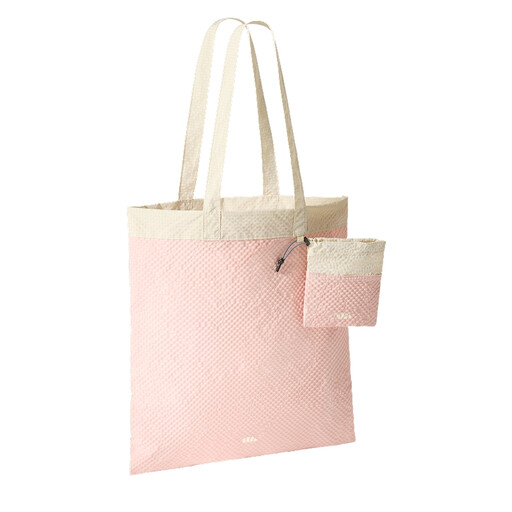
Why it suits this profile: This foldable tote bag is designed for shopping, everyday use and travel. According to the product specifications, it has a capacity of 16 litres and weighs around 64 grams.
Its capacity and weight are clearly stated. That makes it clear from the outset that this model is best suited to light or moderately heavy everyday loads, rather than heavy moving loads.
Around 64 grams, folds into a compact pouch and has widened shoulder straps.
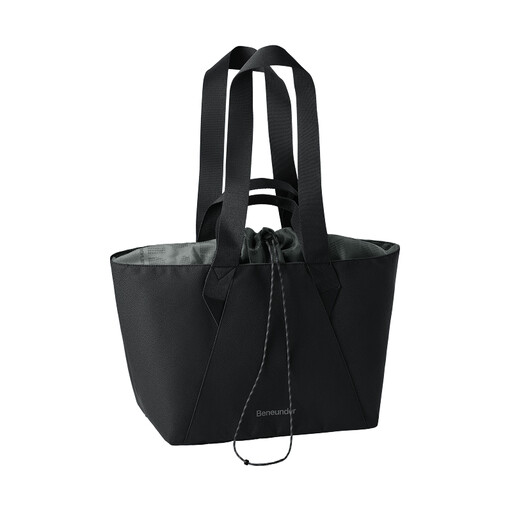
Why it suits this profile: The bag combines a standard capacity of 20 litres with an expandable capacity of 35 litres. That makes it suitable for commuting, sport, travel and longer days out.
The standard and maximum capacities are listed separately. The material is also described as resistant to abrasion, oil, stains and water.
Around 220 grams, with wide straps, an internal divider and a stated capacity of up to 35 litres.
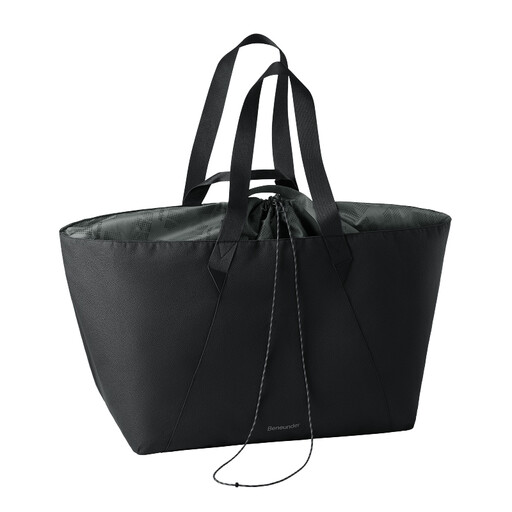
Why it suits this profile: This roomy travel bag is designed for large amounts of luggage, moving house or bulky items. According to the product specifications, it expands from 75 to 140 litres.
As well as its capacity, a maximum load of 50 kg is stated. That gives you a more useful guide than simply calling it “extra large”; do check the latest product information before use.
Around 398 grams, foldable, with multiple pockets and the option to carry it by hand or as a backpack.
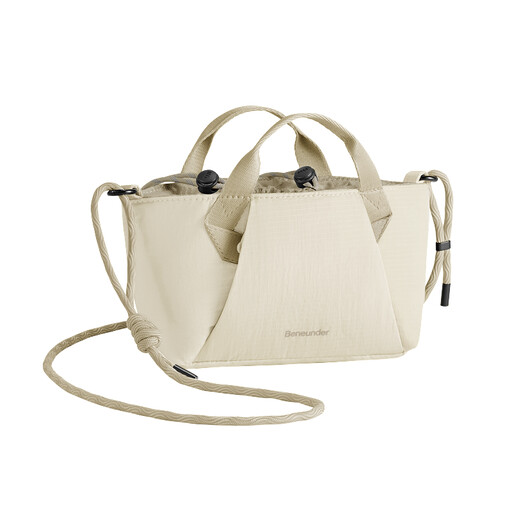
Why it suits this profile: This crossbody bag is designed for small everyday essentials. According to the product specifications, its capacity expands from 1.2 to 3.6 litres and it weighs 98 grams.
The bag has stated standard and expanded capacities, a drawstring fastening and several internal pockets. This makes it clearer what the compact size is designed to hold.
98 grams, an adjustable woven shoulder strap and, according to the description, oil-, stain- and water-resistant nylon fabric.
We’ve put together a complete, up-to-date list of products that meet these strict selection criteria and the applicable European safety regulations.
Its lifespan depends on the material, seams, fastenings, load and how often you use it. Avoid overloading it and check the straps and seams regularly. Follow the care instructions: several of the models mentioned recommend wiping the bag with a damp cloth and leaving it to air-dry. Machine washing, bleach and high temperatures can damage the fabric or its protective properties.
A water-resistant bag can help repel light rain, but it isn’t automatically waterproof. If you cycle in prolonged rain, it’s a good idea to use a rain cover or waterproof inner bag. Pay particular attention to openings, zips and seams, as moisture can get in through these areas.
Choose a model with dimensions and a weight that meet your airline’s rules. An expandable bag may become too large when fully packed. So check its measurements when compact and fully expanded, and compare them with the airline’s current baggage requirements.
