
Vandaag of morgen in huis

Kwaliteit gegarandeerd

Welkomstaanbiedingen ontgrendelen: GRATIS bezorging | Tot 80% korting | Gratis 30 dagen JoyPlus-proefperiode
Download de app
A foaming facial cleanser seems simple: wet your face, apply the foam and rinse it off. Yet many people buy a facial cleanser that is too harsh, fails to remove make-up properly or leaves their skin feeling tight after a short time. The choice is particularly broad when it comes to Korean and Japanese skincare. Product names such as “deep cleansing”, “pore care” and “moisturising” sound appealing, but they do not always tell you enough about how a product performs day to day.
The main pitfalls are:
Start by checking the full ingredients list rather than just the front of the packaging. For oily or combination skin, cleansing formulas containing ingredients such as clay, salt or salicylic acid may be worth considering. That does not mean they are suitable for everyone.
For sensitive skin, a short, easy-to-understand formula is often easier to assess. Pay particular attention to fragrance, alcohol, essential oils and exfoliating acids. The presence of an ingredient does not automatically make a product unsuitable, but it may be a reason to start cautiously.
For dry or easily tight-feeling skin, ingredients such as glycerine, panthenol, hyaluronic acid or moisturising agents are useful points to check. Also consider whether the product leaves your skin feeling comfortable after washing. Clean skin does not need to feel tight or dry.
If you are looking for a pore cleanser, cleanser for acne-prone skin or a cleanser for oily skin, you will often come across AHA, BHA and PHA. Salicylic acid is a BHA and is used in cosmetics in formulas designed to help cleanse and exfoliate the skin. Some By Mi’s product information, for example, mentions 5,000 ppm salicylic acid as well as AHA/BHA/PHA.
Use these products according to the label. Some By Mi’s product warning states that acids can increase sensitivity to sunlight and recommends sun protection. A patch test is advisable for sensitive skin. Stop using the product if you experience burning, itching, redness or swelling. Cosmetics are not a substitute for treating acne or other skin concerns.
Clay and salt can leave your skin feeling fresh or thoroughly cleansed. SKIN1004 Poremizing mentions Himalayan Pink Salt and kaolin in its product description. These are verifiable formula characteristics, but the product description does not guarantee that clogged pores will disappear for every user.
A cleanser for daily use should above all be practical. Check the following:
A foaming cleanser is not automatically a facial make-up remover for all types of make-up. For waterproof mascara or long-lasting foundation, an oil, balm or micellar cleanser may be more convenient as the first step. You can then use the foaming facial cleanser as the second cleansing step.
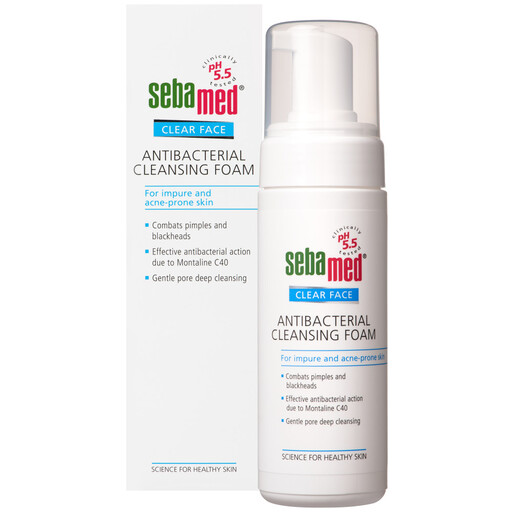
Why it suits this profile: The manageable 150 ml size and clear instructions make this a practical starting point for gentle facial cleansing in the morning and evening.
The product information lists the ingredients and warns about fragrance. This allows you to check in advance whether the formula suits your preferences.
150 ml size; panthenol is included in the ingredients list; use according to the instructions: massage in gently and rinse thoroughly.
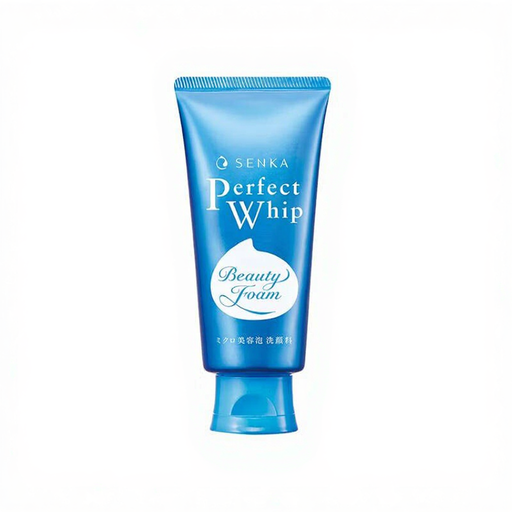
Why it suits this profile: This Japanese facial cleanser is aimed at users who value a creamy, rich foam texture and a consistent daily routine.
The ingredients list is available and includes glycerine, sodium hyaluronate, fragrance and alcohol, among other ingredients. This allows you to compare the marketing claims with the formula.
120 g size; rich foam texture according to the product description; use with lukewarm water and avoid the eye area.
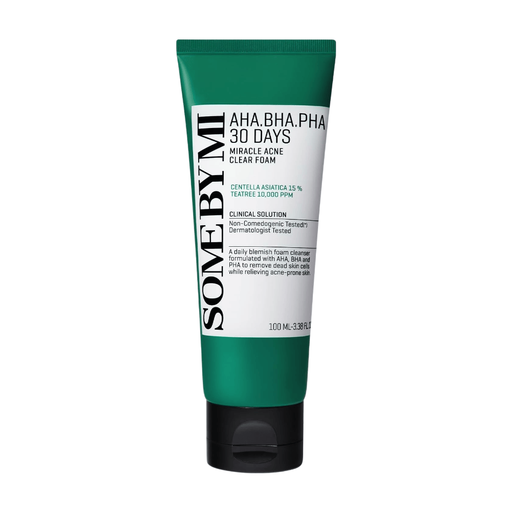
Why it suits this profile: The product information targets oily, combination and blemish-prone skin, with exfoliating acids in the formula.
The warnings about salicylic acid, AHA, PHA and peppermint oil are included in the product information. This helps users who do not want to use acids too frequently without realising it.
100 ml size; 5,000 ppm salicylic acid according to the product information; a patch test and sun protection are recommended.
Would you like to compare different formulas, such as a Korean facial cleanser, Japanese facial cleanser or mild cleanser for daily use? Then take a look at the wider range as well.
We have compiled a complete, up-to-date list of products that fully meet these strict selection criteria and the applicable European safety regulations.
Many products are intended for daily use according to their instructions, often in the morning and evening. For formulas containing AHA, BHA, PHA or other exfoliating ingredients, it may be wiser to start by using them less frequently. Follow the packaging instructions and watch for redness, burning or a tight feeling.
According to the product description, a cleanser may remove dirt, sebum and some make-up residue, but this varies depending on the formula and type of make-up. Waterproof products may remain. If so, use a separate facial make-up remover first, followed by the foam.
This depends on the size, dosage and frequency of use. With a small daily amount, a 150 ml tube will generally last longer than a 50 ml mini. Check the shelf-life information on the packaging and close the tube or pump securely after use.
