
Same-day & Next-day Delivery

Quality Guaranteed

Unlock Your Welcome Offers: FREE Delivery | Up to 80% OFF | Free 30-day JoyPlus trial
Download the APP
A foaming facial cleanser seems straightforward: pump or squeeze a small amount into your hand, massage the foam over your face and rinse it off. However, formulas can vary considerably in how they feel on the skin, their cleansing power and their ingredients. The wrong choice can leave your skin feeling tight, dry or not properly cleansed.
So don’t focus only on terms such as “deep cleansing”, “hydrating” or “pore refining”. Look at the full product information and consider your skin type. Below, you’ll find the main pitfalls, key points to check and some popular options from the range.
A rich foam cleanser feels pleasant and spreads easily over the skin. However, the amount of foam says little about the formula. Pay particular attention to the cleansing agents used, also known as surfactants. Ingredients such as glycerine, panthenol, betaine and hyaluronic acid can contribute to a comfortable skin feel, but they don’t determine on their own how gentle a product is.
A very thorough cleanser may feel uncomfortable on dry or sensitive skin. For oily or combination skin, a gentler formula may be sufficient for daily use.
Pore-cleansing facial cleanser is a popular search term, but pores don’t disappear permanently as a result of using a face wash. Product descriptions may refer to removing sebum, dirt and make-up residue, which can make the skin look temporarily smoother or fresher.
For these products, check whether the ingredients list includes salicylic acid or other exfoliating ingredients. Use a formula containing these ingredients according to the instructions on the label and stop if irritation occurs.
A facial cleanser for sensitive skin may still contain fragrance, essential oils, alcohol or menthol. Always check the ingredients list. A product with a low pH or one labelled “dermatologically tested” is not a guarantee that it will suit everyone.
If you have sensitive skin, it’s sensible to test a small amount on a limited area first. Avoid contact with the eyes and rinse immediately with water if contact occurs.
A formula with a skin-friendly pH is often considered comfortable, but the pH value isn’t always shown on the packaging. According to the product information, the Centella Cleansing Foam is described as a low-pH formula. Its cleansing agents include sodium cocoyl glycinate, sodium lauroyl glutamate and lauryl betaine.
Also pay attention to where cleansing ingredients appear in the list. The full composition tells you more than terms such as “mild” or “gentle” alone.
A hydrating facial cleanser should remove dirt and excess sebum without leaving your skin feeling tight for a prolonged period. Ingredients such as glycerine, panthenol, betaine and sodium hyaluronate appear in several formulas. They don’t automatically make a product suitable for dry skin, but they are useful points to check.
Use lukewarm water rather than hot water and don’t rub your face vigorously with a towel. Washing time also matters: gently massaging for 30 to 60 seconds is usually sufficient, unless the label states otherwise.
If you tend to react quickly to skincare products, pay extra attention to “parfum”, “fragrance”, “alcohol denat.” and fragrant oils such as lavender, bergamot or peppermint oil. A Japanese facial cleanser or Korean facial cleanser may have a pleasant fragrance and rich texture, but that doesn’t automatically mean the formula is suitable for reactive skin.
Also check for conflicting information. For example, the Shiseido Senka product listing describes an alcohol-free formula, while the listed ingredients contain alcohol. If in doubt, check the current packaging and the full ingredients list.
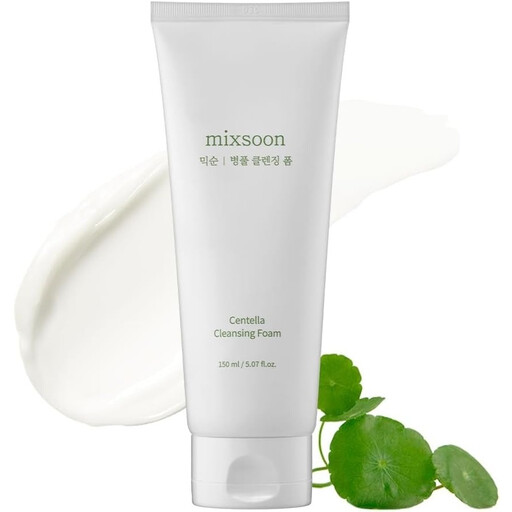
Why it suits this profile: A straightforward daily facial cleanser with a 150 ml capacity and a creamy texture that turns into foam when mixed with water.
The product information states that it has a low-pH formula and specifies an extract concentration of 32.8%, giving you more points to check than just a marketing name.
32.8% Centella Asiatica Extract according to the product list; 150 ml; stated to be suitable for all skin types.
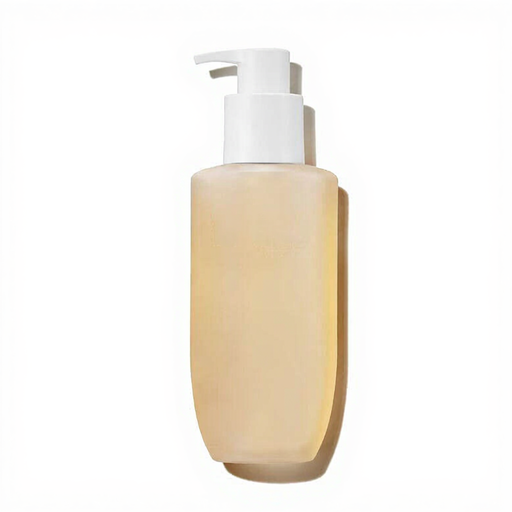
Why it suits this profile: An appealing choice if you’re looking for a pump bottle, a larger capacity and a nourishing cleansing routine.
The product information recommends using two pumps with lukewarm water. However, the ingredients list contains fragrance and limonene, so check this carefully if you have sensitive skin.
200 ml capacity; pump packaging; cleansing agents such as potassium cocoyl glycinate and cocoamphodiacetate.
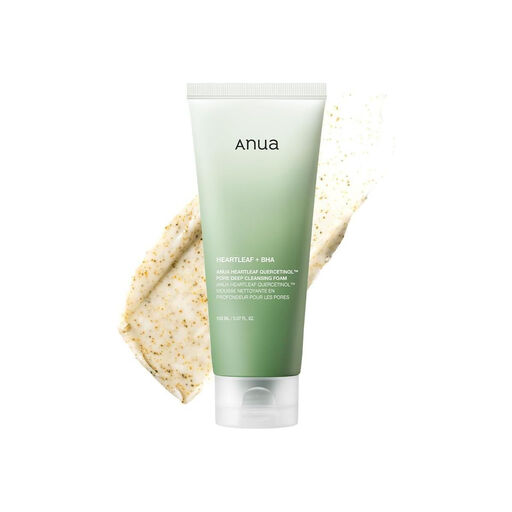
Why it suits this profile: An option for anyone focusing primarily on sebum, impurities and a foamy texture that can be spread precisely over the skin.
The product information mentions 33% heartleaf extract and salicylic acid in the ingredients list. Don’t use it more often or for longer than stated on the label.
150 ml; quercetin and heartleaf in the product description; several forms of hyaluronic acid in the ingredients list.
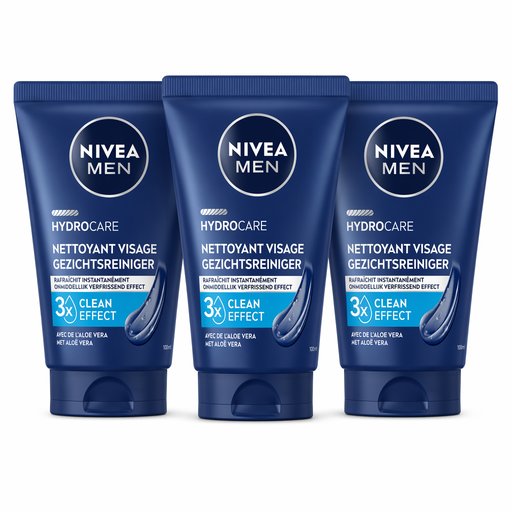
Why it suits this profile: The three-bottle pack is practical for daily use at home, at work or while travelling.
The product information states that it is intended for daily cleansing, but the ingredients list contains menthol, alcohol denat. and fragrance. This makes checking the ingredients especially important if you have sensitive skin.
Three 100 ml bottles; glycerine and panthenol in the ingredients list; designed to remove sebum and dirt according to the product information.
We’ve put together a complete, up-to-date list of products that fully meet these strict selection criteria and the applicable European safety regulations.
Do you wear make-up or use waterproof sun cream? An ordinary foam cleanser won’t always remove it completely. Double cleansing, starting with a cleansing oil or balm, may be more practical. Follow the instructions for both products.
That depends on the formula and your skin. According to their product information, many products in this category are intended for daily use, often in the morning and evening. Dry or sensitive skin may benefit from cleansing just once a day. If your skin feels tight or irritated after washing, reduce the frequency or choose a gentler formula.
That depends on the capacity and the amount used each time you wash. A 150 ml bottle will generally last longer with daily use than a 100 g tube, but the pump mechanism and dosage also make a difference. Check the expiry information and the period-after-opening symbol on the packaging. Store the product in a cool, dry place away from direct sunlight.
The difference isn’t just the country of origin, but mainly the formula, texture and ingredients. Korean products often focus on ingredients such as centella or heartleaf, while Japanese products are frequently known for their rich, airy foam texture. Always compare the ingredients list, capacity, instructions and suitability for your skin rather than looking only at where the product comes from.
