
Vandaag of morgen in huis

Kwaliteit gegarandeerd

Welkomstaanbiedingen ontgrendelen: GRATIS bezorging | Tot 80% korting | Gratis 30 dagen JoyPlus-proefperiode
Download de app
A facial cleanser seems like a simple product: apply, rinse, and you're done. Yet many people buy a face cleanser that cleanses too harshly, runs out quickly, or doesn't suit their skin type. With foaming formulas in particular, marketing claims about "deep facial cleansing", smaller pores, or a fresh complexion can create expectations that don't always match up with everyday use.
Joybuy Product Recommendation Officer is here to help you assess the key differences. Pay close attention to the formula, how comfortable it feels to use, and the volume before you add a facial cleanser to your basket.
A lot of foam can feel thorough, but a tight, pulling sensation after rinsing may indicate that your skin barrier isn't reacting well to the formula. That doesn't automatically mean the product is "too strong", but it is a sign to adjust how you use it or choose a gentler facial cleanser.
A rich foam can be useful for removing excess sebum and dirt. However, don't use more product than recommended, and don't massage too vigorously.
A pore cleanser can remove dirt and sebum around the pores, but a facial cleanser won't permanently change the structural size of your pores. Phrasings like "refine pores" often come from the brand's product communication. So, focus on the ingredients list, the texture, and how your skin feels after washing.
A 50 ml tube might seem like a bargain, but with daily use it can run out faster than a 120 to 190 gram pack. So, compare the following:
A facial cleanser for oily skin or combination skin should remove excess sebum without leaving an unpleasant dry feeling. Products with clay, salt, or a strongly foaming texture are designed for a more thorough cleansing sensation. For sensitive or dry skin, milder surfactants, glycerine, and a creamier foam are often a better fit.
If you wear make-up or sunscreen, you may need a separate first cleansing step. Always check the product description: not every face cleanser is intended to remove all waterproof make-up completely.
A low or slightly acidic pH level is often mentioned with a gentle facial cleanser. Products like SKIN1004 and Centella variants state a pH around 5 or 5.5. That's a verifiable product specification, but it's no guarantee that every skin will react the same way.
If you have sensitive skin, choose a formula with clear usage and safety information. Avoid contact with the eyes, and stop if you experience redness, itching, or irritation. You might want to test a new product on a small area of skin first.
Fans of Korean facial cleansers often look for Centella Asiatica, glycerine, panthenol, or mild amino-acid-based cleansers. A Centella facial cleanser could be interesting if you want to try a formula with this plant extract. According to the manufacturer's product description, the Centella Cleansing Foam contains 32.8% Centella Asiatica extract, for example.
For oily or blemish-prone skin, tea tree, clay, salicylic acid, or heartleaf are sometimes mentioned. According to Anua's product description, the Heartleaf Quercetinol Pore Deep Cleansing Foam includes heartleaf extract, salicylic acid, and panthenol. These are product specifications, not a guarantee of a medical effect. For persistent skin concerns, advice from a doctor or dermatologist is wiser than constantly switching cleansers.
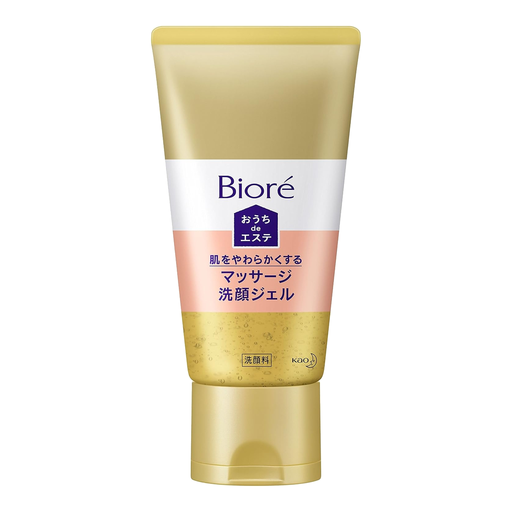
Why this fits the profile: The 150 gram pack is practical for a regular morning and evening routine. According to the product description, the foam is aimed mainly at oily and combination skin.
The product information mentions daily use and a gentle foaming formula. Don't expect permanent pore minimisation; use it as a cleanser for dirt, oil, and impurities.
150 gram volume; rich foam; targets excess sebum, dirt, and impurities.
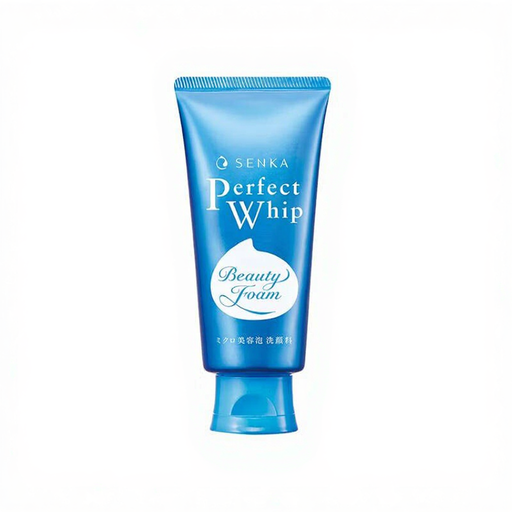
Why this fits the profile: This Japanese facial cleanser is designed for those who want a full, airy foam and a more pampered skin feel. The pack contains 120 grams.
The product description mentions glycerine, hyaluronic acid, and silk extract, among others. Check the full ingredients list if you prefer to avoid fragrance or alcohol.
120 gram volume; rich, fluffy foam; ingredients list clearly stated.
We've put together a full, up-to-date list of products that fully meet these strict selection criteria and comply with current European safety regulations.
Don't automatically wash your face more often just because you have oily skin. Over-cleansing can actually make your skin feel uncomfortable. Follow the instructions on the packaging and pay attention to how your skin reacts.
Many foaming facial cleansers are intended for daily use according to their product descriptions, often in the morning and evening. If you have sensitive skin, you might start with once a day. If irritation, redness, or a tight feeling occurs, stop using the product and check the ingredients.
That depends on the volume and the amount you use per wash. A 120 to 150 gram pack can last longer with daily use than a 50 ml travel size. A rich foam usually only needs a small amount. Also check the expiry date and batch information on the packaging.
For light make-up, a facial cleanser may be enough, but waterproof mascara, lipstick, and some sunscreens may need a separate first cleansing step. Then cleanse with a gentle facial cleanser and avoid harsh rubbing.
