
Vandaag of morgen in huis

Kwaliteit gegarandeerd

Welkomstaanbiedingen ontgrendelen: GRATIS bezorging | Tot 80% korting | Gratis 30 dagen JoyPlus-proefperiode
Download de app
A facial cleanser may seem like a simple product, but there are big differences between gel cleansers, cleansing foams and oil-based formulas. Choosing the wrong one can leave your skin feeling tight or dry, or make it look shiny sooner than usual. Marketing terms such as “deep cleansing”, “barrier repair” and “for all skin types” only tell you so much: it’s worth checking the ingredients, pH and directions for use.
A cleanser that lathers well can leave your skin feeling especially clean. That doesn’t automatically mean it’s suitable for everyday use. Strong cleansers or washing too often can leave skin feeling dry or tight. A gentle facial cleanser with mild surfactants is usually a more practical choice for your morning and evening routine.
Check the directions for use, too. Some products are designed mainly to remove excess oil and sunscreen residue, while other formulas may be a better fit for dry or sensitive skin.
Brands may share their own research findings and product claims, but results vary from person to person. According to ANUA’s own research, the 8 Hyaluronic Acid Hydrating Gentle Foaming Cleanser removes 89,07% of excess oil and sunscreen after one use. The same product information states that moisture levels increase by up to 72,95% after 48 hours. Treat these as information from the brand, not guaranteed results for every user.
Hyaluronic acid, centella, snail mucin and tea tree may sound appealing, but a cleanser is rinsed off. The full formula and how your skin responds to it matter more than any one popular ingredient. Check whether it contains fragrance, essential oils or any other ingredients you’re sensitive to, too.
According to product information, a low pH cleanser often has a pH close to the skin’s natural acidity. Low pH Good Morning Gel Cleanser, for example, is described as a low-pH gel cleanser. The product description lists glycerine and tea tree oil in the formula. However, tea tree oil may not be suitable if you’re sensitive to fragrant or essential oils.
Also look for cleansing agents such as amino acid-based surfactants, coco-betaine or coco-glucoside. Checking for a gentle cleansing agent is more useful than judging a cleanser by how much it lathers.
You’ll often use a facial cleanser every day, so check:
“Deep pore cleansing” means removing dirt, oil and product residue from the skin’s surface. A cleanser won’t permanently change the size of your pores. Massage gently and use lukewarm water; rubbing hard can make your skin feel uncomfortable.
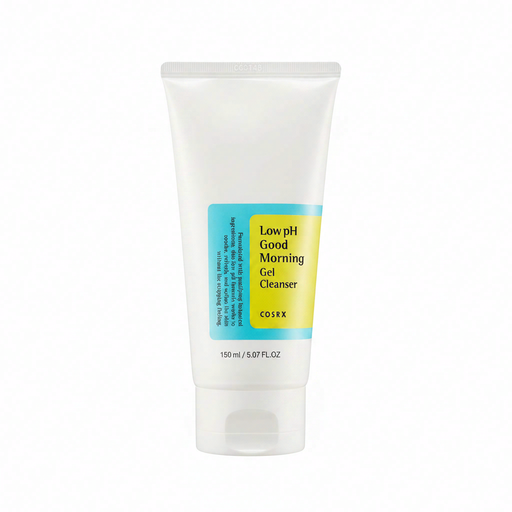
Why it suits this profile: The compact packaging is handy for trying a low pH cleanser for the first time or taking it with you. The gel texture lathers lightly and, according to the product description, is designed for a refreshing morning cleanse.
Its low pH and gel texture mean you don’t have to rely on a strong lather to judge how clean your skin feels. Do check that tea tree oil suits your skin.
50 ml; gel that lathers into a gentle foam; glycerine is listed as a hydrating ingredient in the product description.
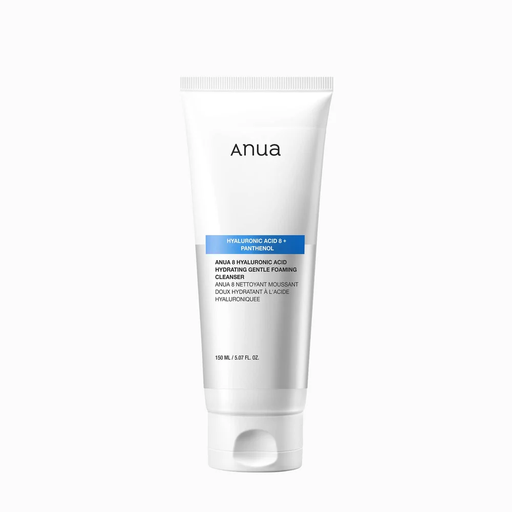
Why it suits this profile: According to the ingredients list, this Korean facial cleanser combines a creamy foam with panthenol, glycerine, Zinc PCA and eight forms of hyaluronic acid.
The product information describes the formula as fragrance-free, making it easier to choose if you prefer to avoid fragrance. The brand’s cleansing and hydration claims have been identified as such above.
150 ml; fragrance-free; contains panthenol, Zinc PCA and several forms of hyaluronic acid.
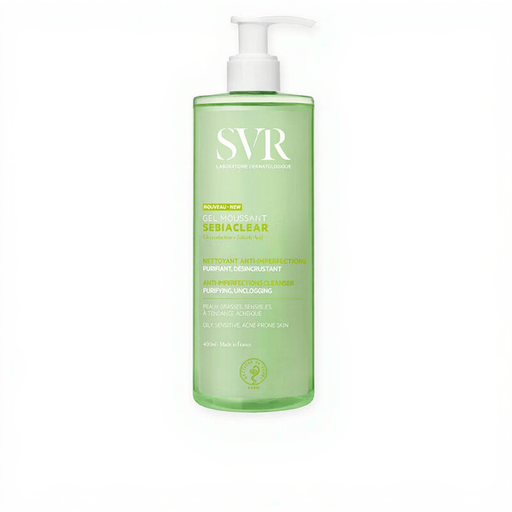
Why it suits this profile: The large pump bottle is practical for everyday use. The product description is aimed at sensitive, oily and combination skin, and describes the formula as soap-free.
The 400 ml size means you won’t need to replace it as often. The product information lists gluconolactone and Mat SR 0,5%, making the targeted formula clear.
400 ml; pump dispenser; soap-free; described as suitable for face and body.
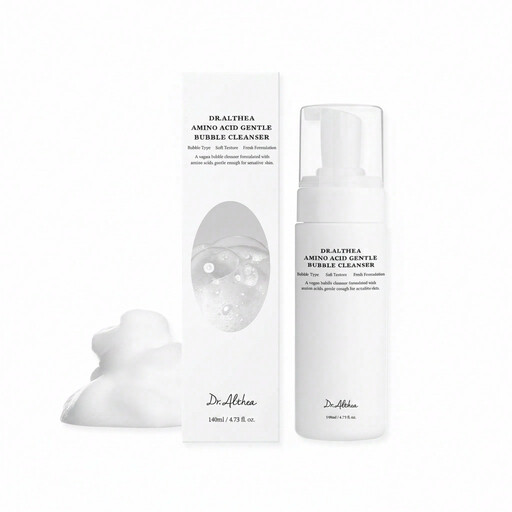
Why it suits this profile: According to the product details, the gel formula is fragrance-free and contains amino acids. It’s a good fit for a simple daily cleansing routine.
The fragrance-free claim can help you look beyond the marketing language. Still, check the full packaging and stop using the product if you experience redness, itching or a burning sensation.
140 ml; fragrance-free according to the product details; amino acids; gel texture.
We’ve put together a complete, up-to-date list of products that meet these strict selection criteria and the applicable European safety regulations.
If you experience irritation, redness or swelling, it’s best to stop using the product. If skin problems persist, consult a doctor or pharmacist.
For many people, once in the evening is enough, with a gentle cleanse in the morning if needed. Oily skin may benefit from a gel cleanser, while dry or sensitive skin may respond better to cleansing less often or for a shorter time. Most importantly, pay attention to how your skin feels after washing.
It depends on the formula, not just where it’s made. Check for fragrance, essential oils, acids and cleansing agents. A fragrance-free formula may be a sensible choice, but it’s still a good idea to patch test it first.
It depends on the size and how much you use each time you wash. A 400 ml bottle will usually last longer than a 50 ml one with daily use, but the exact length of time varies from person to person. Store the cleanser as directed, close the packaging properly and check the shelf-life information on the label.
