
Vandaag of morgen in huis

Kwaliteit gegarandeerd

Welkomstaanbiedingen ontgrendelen: GRATIS bezorging | Tot 80% korting | Gratis 30 dagen JoyPlus-proefperiode
Download de app
A good facial cleanser is the cornerstone of any skincare routine. A foaming face cleanser is particularly popular: it feels lightweight and leaves the skin feeling exceptionally clean. However, the vast selection can make choosing difficult. Many products make grand promises but leave your skin feeling tight or irritated. Before making a purchase, it's crucial to know what to look for to avoid wasting money on a face wash that isn't right for you.
As a Joybuy Product Recommendation Officer, I'm here to help you see past the marketing claims. Below, we'll discuss the most common pitfalls and the specifications that truly matter.
The wrong choice can disrupt your skin barrier, leading to dryness, redness, or even more breakouts. These are the two main areas where things often go wrong:
sensitive skin. The result is a tight, uncomfortable feeling immediately after washing.To make an informed choice, it's essential to examine the product details. Pay close attention to the following two points.
A foaming face cleanser uses surfactants to dissolve dirt and oil. The type of surfactant determines how gentle or powerful the product is.
cleanser for sensitive skin.Once you've determined the base formula is gentle enough, you can look for active ingredients that address a specific concern.
acne face wash often contains salicylic acid (BHA). This ingredient helps to cleanse pores from within. Tea tree oil is another common ingredient in products for blemish-prone skin.hydrating cleanser often includes ingredients like glycerin, hyaluronic acid, or ceramides. These help attract and lock in moisture, leaving the skin feeling soft and supple after cleansing.deep cleansing face wash may contain ingredients like kaolin clay or gentle enzymes (such as papain) to remove excess sebum and impurities from the pores.Below are some popular choices, matched to specific user profiles and needs.
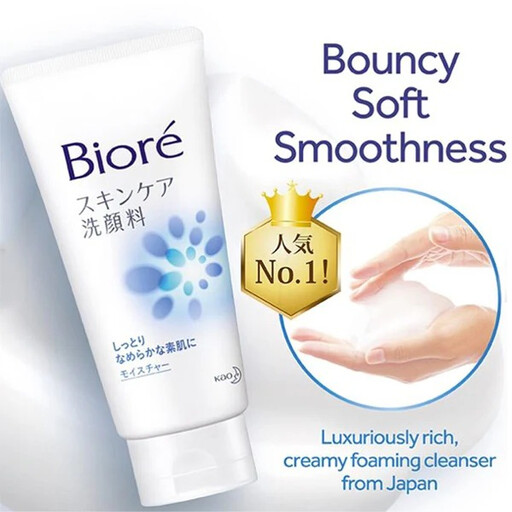
Why This Fits Their Persona: Ideal for those seeking a reliable, straightforward cleanser for daily use. The focus is on cleaning the skin while maintaining its moisture balance, without a complex ingredient list.
This product bypasses the "one-size-fits-all" pitfall. According to the manufacturer, it's designed with 'Skin Purifying Technology' that respects the skin's natural pH balance and prevents dryness.
Offers a thorough cleanse that leaves the skin soft and hydrated, rather than stripped. The formula transforms into a soft and supple foam.
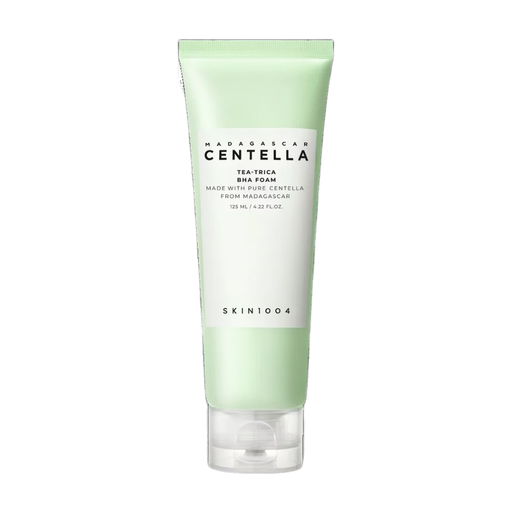
Why This Fits Their Persona: Specifically developed for oily and acne-prone skin struggling with excess sebum and clogged pores. This is a targeted `cleansing mousse` rather than a general-purpose cleanser.
Instead of just cleansing aggressively, this formula combines active ingredients with soothing components. It tackles impurities with BHA, while Centella Asiatica helps to calm the skin.
Contains salicylic acid (BHA) to deeply cleanse pores and tea tree extract. These ingredients are known for their purifying properties for troubled skin.
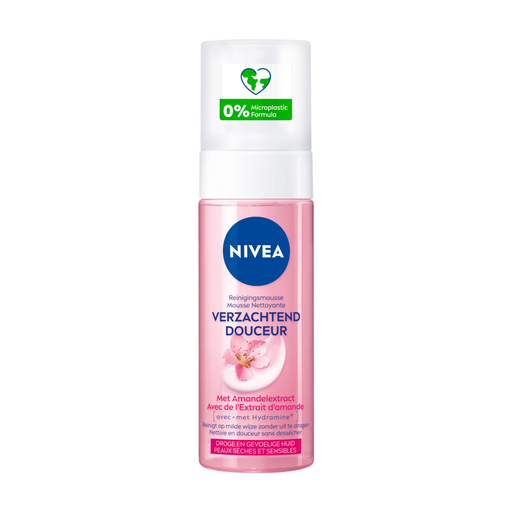
Why This Fits Their Persona: Perfect for those with dry or sensitive skin who often experience a tight feeling after cleansing. This `hydrating cleanser` is designed for gentleness and comfort.
According to NIVEA, this product is specifically formulated to cleanse the skin thoroughly without drying it out. The addition of nourishing ingredients helps avoid the pitfall of a stripped skin barrier.
Enriched with almond oil and Hydramine. According to the brand, these ingredients help maintain the skin's natural moisture balance and soothe the skin.
We have compiled a complete, up-to-date list of products that meet these selection criteria and comply with current regulations.
For most skin types, it is recommended to cleanse your face twice a day: in the morning to remove sweat and sebum from the night, and in the evening to remove makeup, dirt, and impurities from the day. If you have very dry or sensitive skin, you might consider cleansing with only water in the morning and using the cleansing foam only in the evening.
Yes, provided you choose the right formula. Traditionally, foaming cleansers were known for being drying, but modern formulas are often much gentler. Look for a hydrating cleanser with mild surfactants and hydrating ingredients like glycerin or hyaluronic acid. Avoid products with high alcohol content or harsh sulfates.
The terms cleansing mousse and foaming face cleanser are often used interchangeably and refer to the same type of product: a cleanser that dispenses from the packaging as an airy foam. The texture is generally light and gentle on the skin. Its effectiveness, as previously discussed, depends entirely on the ingredients in the formula.
