
Vandaag of morgen in huis

Kwaliteit gegarandeerd

Welkomstaanbiedingen ontgrendelen: GRATIS bezorging | Tot 80% korting | Gratis 30 dagen JoyPlus-proefperiode
Download de app
Whether you're a dedicated athlete looking to accelerate your post-workout recovery, or you experience daily muscle stiffness from sedentary work, a foam roller can be a practical tool. However, the market offers a vast array of options: firm, soft, textured, smooth, long, or short. It can be challenging to determine which muscle roller is right for your needs.
As a Joybuy Product Recommendation Officer, my job is to help you navigate the selection. This guide is designed to provide you with clear, objective information so you can make an informed decision for relieving muscle soreness and improving your mobility.
Before we look at specific products, here are a few key factors to consider. These will help you better understand the specifications of a massage roller.
The firmness of a roller determines the intensity of the massage.
post-workout recovery.The surface of the roller affects how pressure is distributed.
Foam rollers come in various shapes and sizes, each with its own purpose.
muscle roller), balls for a highly targeted trigger point massage, or specific foot rollers.Based on the criteria above, we have selected products with distinct, functional features.
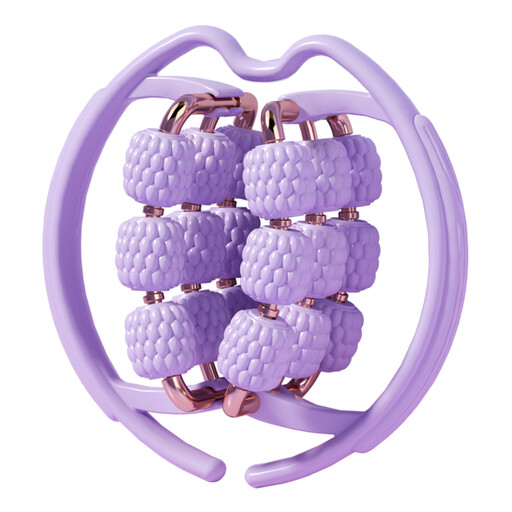
Why It Stands Out This is not a traditional foam roller, but a handheld massage roller. The handles give you complete control over the pressure and location of the massage. Its 18 independently rotating wheels ensure a smooth glide over the muscles.
Benefits
Who Is It For? For athletes who want to release specific muscle groups before or after a workout, and for people suffering from neck and shoulder tension due to desk work.
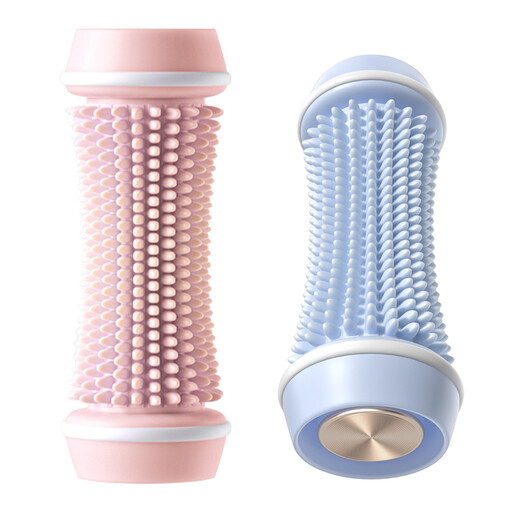
Why It Stands Out This is a specialised tool designed for one of the most stressed parts of our body: the feet. Its compact shape and texture are specifically intended to massage the arch and heel.
Benefits
Who Is It For? Ideal for runners, walkers, people with standing professions, or anyone who suffers from tired or sore feet after a long day.

Why It Stands Out This is a classic, versatile foam roller. With a length of 61 cm (24 inches), it offers sufficient stability for full-body exercises. The high density of the material makes it suitable for an intense deep tissue massage.
Benefits
Who Is It For? For fitness enthusiasts, yoga and Pilates practitioners, and athletes looking for an effective tool for post-workout recovery and deep fascial release.
The products above are a starting point to help you with your choice. Every body is different, and what works for one person may be less suitable for another. Are you looking for a different size, a softer density, or a specific massage roller with a unique texture?
The frequency depends on your activity level and personal needs. Many people use a foam roller for a few minutes before a workout to warm up the muscles and immediately after a workout to support post-workout recovery. For general stiffness, daily use of 5-10 minutes can already help. Above all, listen to your body.
Rolling over stiff muscles or trigger points can feel uncomfortable. This is often described as a "good pain." However, it should never be sharp or unbearable. If you experience sharp pain, reduce the pressure or stop rolling on that specific point. Beginners are best advised to start with a softer roller.
A foam roller is a popular tool used by many athletes and physical therapists to relieve muscle soreness. The theory is that the pressure on the muscles and fascia (connective tissue) helps to improve blood flow and release muscle knots. Many users experience a reduction in muscle stiffness and an increased range of motion after use.
