
Vandaag of morgen in huis

Kwaliteit gegarandeerd

Welkomstaanbiedingen ontgrendelen: GRATIS bezorging | Tot 80% korting | Gratis 30 dagen JoyPlus-proefperiode
Download de app
As a Joybuy Product Recommendation Officer, I see the incredible creativity thriving across the country every day. From beautiful handmade cards to detailed scrapbook pages, the passion is palpable. But I also see the frustration when craft supplies don't perform as expected. Especially when choosing floral cutting dies, it's easy to fall into a few common traps.
Before you fill your shopping cart, it's wise to consider a few points that are often overlooked. This will help you make a purchase you'll truly enjoy, rather than a die that ends up at the bottom of a drawer.
The 2 Most Common Pitfalls with Cutting Dies:
To ensure your purchase is a success, there are a few specifications you can check. These aren't complicated technical details, but practical features that make the difference between frustration and a flawless result.
Most floral cutting dies are made of carbon steel. This material is fine in itself, but the quality can vary enormously. A good cutting die is made from a harder grade of steel that can withstand the pressure of the die-cutting machine and stays sharp for a long time. Cheaper dies sometimes bend after just a few uses or become dull quickly, making them useless for the precise work you want to do.
A well-designed cutting die is more than just a pretty picture. For complex designs, look for small holes in the die itself. These are not decorative elements, but so-called 'release holes'. They are designed to help you gently push the die-cut paper out of the die with a piercing tool without damaging it. This is an indispensable feature, especially for scrapbooking dies with a lot of detail. An embossing folder usually doesn't have these holes, as it's meant to create a raised impression, not to cut.
To help you get started, we've highlighted a few cutting dies that suit different creative needs. This selection is based on their specifications and design features.
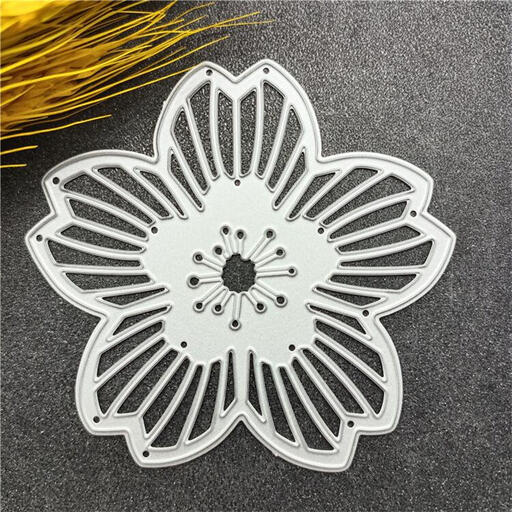
Why This Fits Their Persona: Ideal for those starting out with dies for card making. This set offers a few different flower and leaf designs that aren't overly complex. They are perfect for practicing and combining in all sorts of projects, from birthday cards to small gift tags.
The designs are relatively open and not overly detailed. This reduces the risk of the paper getting stuck and tearing, a common frustration for beginners.
Includes multiple separate elements (flowers and leaves) that you can combine as you wish for a unique result.
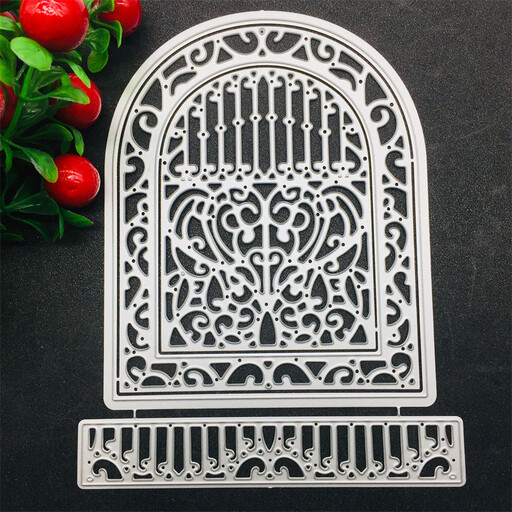
Why This Fits Their Persona: This die is for the crafter who wants to take a project to the next level. It creates a beautiful, detailed frame that can serve as the centrepiece of a scrapbook page or a luxurious invitation. It's more than just a single flower; it's a complete scene.
Despite its complexity, the design has clean cutting lines and sufficient open spaces. The die also includes the necessary 'release holes' to remove the delicate lacework without tearing.
Creates a unique and striking window frame design that instantly gives your creations a professional look.
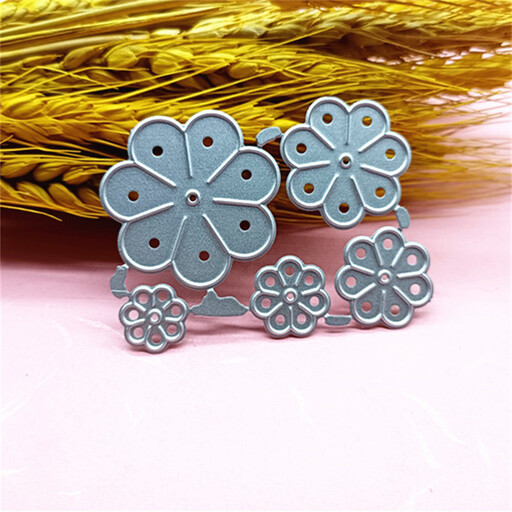
Why This Fits Their Persona: This set is specially designed for creating 3D flowers. Instead of a flat shape, you cut individual petals that you can shape and stack for a realistic effect with depth and texture. This is perfect for those who love to experiment with volume in their DIY craft supplies.
Because the parts are designed to work together, they fit perfectly. This avoids the awkward results you sometimes get when trying to create depth with dies not made for that purpose.
Makes creating depth and texture easy. The set includes different sized petals for a natural-looking flower construction.
We have compiled a complete, up-to-date list of products that fully meet these strict selection criteria and practical requirements.
After use, small paper scraps may remain in the die. Use a soft brush (an old toothbrush works great) or a special piercing tool to gently remove the residue. Store your dies in a dry place to prevent the metal from rusting.
For most cutting dies, paper with a weight between 160 and 220 g/m? works well. Paper that is too thin can tear, while cardboard that is too thick may not cut completely through in one pass. Experiment with the 'sandwich' (the stack of plates) of your die-cutting machine for the best results with different papers.
