
Vandaag of morgen in huis

Kwaliteit gegarandeerd

Welkomstaanbiedingen ontgrendelen: GRATIS bezorging | Tot 80% korting | Gratis 30 dagen JoyPlus-proefperiode
Download de app
A floor mop may seem simple, but the wrong model can quickly become frustrating. A cloth that comes loose, a bucket in which dirty water remains, or steam used on an unsuitable floor can lead to extra work and sometimes damage. That is why it is wise to look beyond the price or a striking product claim.
The main pitfalls when choosing a floor mop are:
A microfibre mop is made from fine fibres that can absorb dust, moisture and dirt. This makes the material suitable for tiles, vinyl and other smooth hard floors. Pay attention to the washing instructions. Various microfibre products specify washing at 60 °C. Do not use fabric softener if the product description advises against it, as this can affect the performance and lifespan of the fibres.
Static floor wipes are useful for dry cleaning. They collect dust, hair and fluff without requiring a bucket first. For households with pets, a floor mop with a dry cloth can therefore be a practical addition.
A 32 cm flat mop is manoeuvrable and can easily reach under furniture. A larger mop, such as one measuring 50 x 60 cm or 50 x 70 cm, can cover large surfaces more quickly. Check the following in advance:
A sturdy hook-and-loop fastening helps prevent the cloth from shifting while mopping. With replacement cloths, compatibility is more important than a general description such as ‘universal’. According to the product description, the 28 x 22 cm Nimbus Magic Floor Wipes are suitable for many floor mops, while the 11 x 32 cm J.ZAO cloths are intended exclusively for the S16 model bucket mop.
A mop with bucket is practical when you regularly clean larger rooms and want to rinse the cloth in between. A system with separate clean and dirty water prevents you from repeatedly rinsing in the same water. Wring the cloth out thoroughly before cleaning wood or laminate.
A steam mop uses water and heat to loosen stubborn dirt. Always check that the floor is fully sealed. Do not use a steam model on untreated wood, carpets or other surfaces that are sensitive to heat and moisture. Do not add cleaning products, perfume or vinegar when the instructions specify using clean water only. Hot steam and the mop head can cause burns; allow the appliance to cool down before filling the tank or removing the cloth.
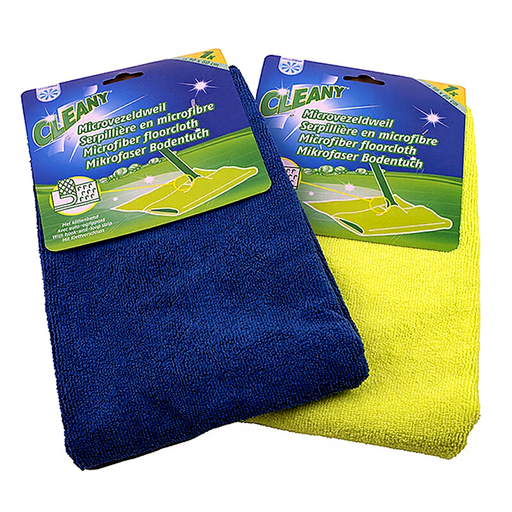
Why it suits this profile: This set of three microfibre cloths offers a simple starting point for households looking for a reusable mop for smooth floors.
The hook-and-loop fastening is designed to limit shifting during use. According to the product information, the cloths are washable at 60 °C.
Three 50 x 60 cm cloths, microfibre material and suitable for dry or lightly damp cleaning.
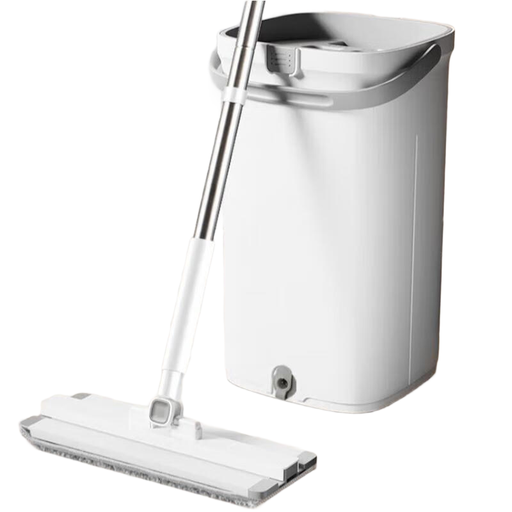
Why it suits this profile: A household with several rooms can benefit from combining a flat mop, rinsing and wringing in a single bucket.
According to the product description, the two-part reservoir system separates clean and dirty water. The mop is cleaned and wrung out using an integrated scraper.
32 cm-wide microfibre head, suitable for wet and dry use, with hands-free operation that keeps your hands dry.
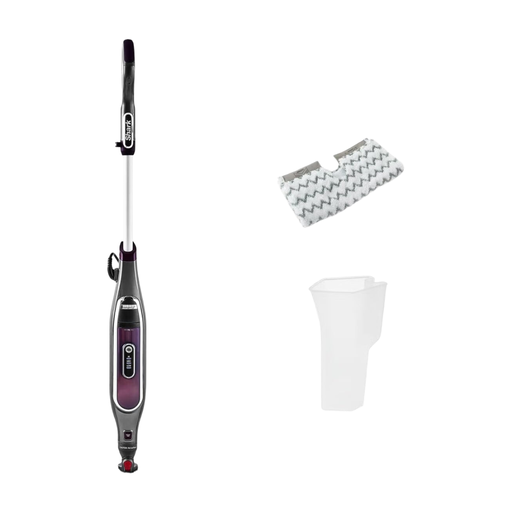
Why it suits this profile: Anyone who wants to regularly steam-clean sealed hard floors gets an electric model with a long cable and two washable pads.
The instructions limit use to sealed hard floors and specify clean water only. This makes the product’s usage limitations clearer.
1200 watts, a 6-metre cable, a 380 ml water tank and two machine-washable Dirt Grip pads.
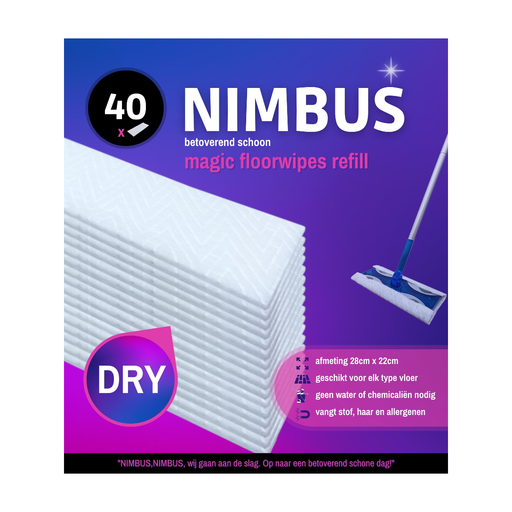
Why it suits this profile: This dry refill is designed to remove dust, hair and fluff quickly, without a bucket or cleaning product.
The 28 x 22 cm size is clearly stated. However, check the width and attachment system of your existing floor mop before ordering.
Pack of 40 and static fibres that, according to the product description, trap dust and pet hair.
We have put together a complete, up-to-date list of products that fully meet these strict selection criteria and the applicable European safety regulations.
Choose a flat mop or microfibre mop that can be wrung out thoroughly. Use little water and check whether the laminate manufacturer permits wet cleaning. A steam mop is only suitable if the floor is explicitly approved for this type of cleaning and is properly sealed.
This depends on usage, washing frequency and the condition of the fibres. Replace a cloth when it no longer absorbs properly, retains odours or has damaged edges. A replacement interval of two to three months is sometimes recommended for robot mops; check your model’s product information for guidance.
Disposable wipes have a low initial cost and are quick to use, but repeated costs add up with daily use. A reusable microfibre cloth needs to be washed and dried, but can therefore be a practical choice for regular floor cleaning. Compare the number of cloths per pack, compatibility and care instructions before making your decision.
