
Vandaag of morgen in huis

Kwaliteit gegarandeerd

Welkomstaanbiedingen ontgrendelen: GRATIS bezorging | Tot 80% korting | Gratis 30 dagen JoyPlus-proefperiode
Download de app
A good floor mat seems like a simple purchase, but the reality is often different. A mat that slips, a doormat that flattens after just a few weeks, or an office chair mat that still allows the floor to get damaged. These are common frustrations that cost you unnecessary money.
As a Joybuy Product Recommendation Officer, I see a lot of products. My job is to help you make the right choices based on specifications, not marketing buzzwords. In this guide, we'll discuss the most common pitfalls and what to look for when purchasing floor mats.
Before you add a mat to your shopping cart, it's wise to consider a few common issues.
To avoid a bad purchase, focus on a few key features. These specifications tell you more than any product photo ever could.
The material determines the mat's durability, maintenance, and function.
Always check the specifications of the backing. A good non-slip mat has a backing made of solid rubber or a PVC layer with a specific profile that creates grip. The weight of the mat also plays a role; a heavier mat is less likely to shift. Is your favourite rug not staying put? Consider a separate rug pad to keep it in place.
Not everyone needs the same mat. Below are several options tailored to specific user profiles.
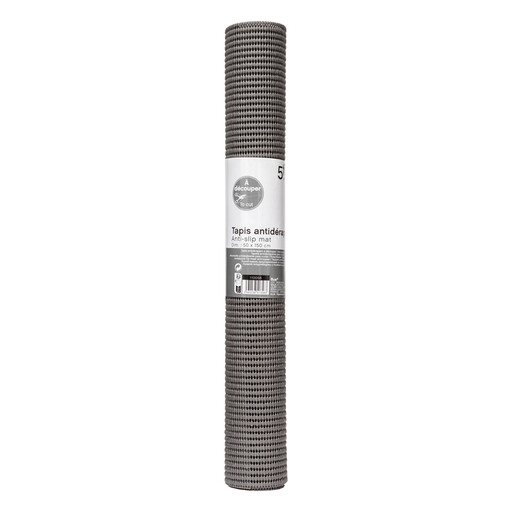
Why it's a match: For anyone who already has a beautiful rug or runner but is annoyed by it constantly shifting. This is a purely functional solution for enhanced safety at home.
This product directly tackles the pitfall of the 'false non-slip promise.' It's not a mat, but a rug pad specifically designed to provide grip and prevent shifting.
Made of PVC and can be cut to size. This makes it suitable for almost any size of rug, runner, or bath mat.
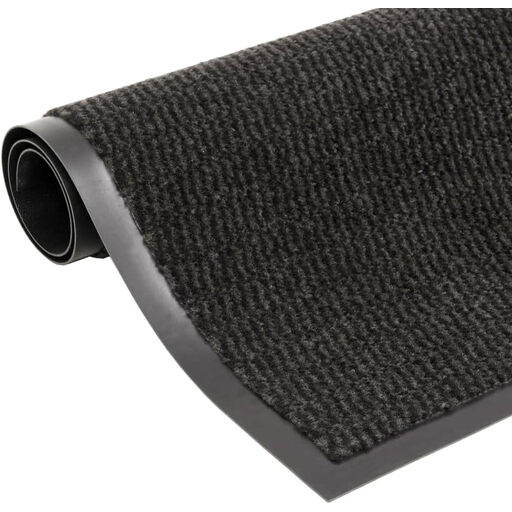
Why it's a match: Ideal for the front or back door. This person is looking for a no-nonsense doormat that does its job: keeping dirt and moisture out and being easy to clean.
This mat is made of tufted polypropylene, which the manufacturer states is moisture- and mould-resistant. This avoids the pitfall of using an unsuitable material for a damp entryway.
The combination of a heavy weight (1,960 g/m?) and a non-slip backing ensures the mat stays firmly in place. Plus, it can be hosed down for cleaning.
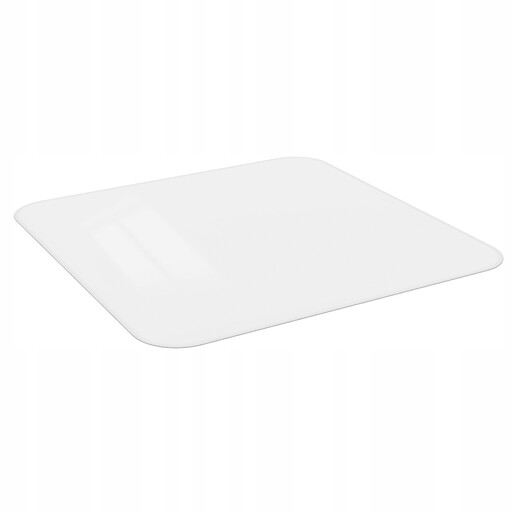
Why it's a match: For the office employee or remote worker who wants to protect their laminate, parquet, or carpet from the wear and tear of office chair wheels.
This is a dedicated floor protector, not a generic rug. According to the manufacturer, the material is tear, curl, break, and scratch-resistant, which avoids the pitfall of inadequate protection.
The top has a non-slip surface that allows the chair to roll smoothly, while the special texture on the underside helps keep the mat in place.
The right mat depends on your floor, the space, and your needs. There are many different types and sizes that meet the right criteria.
If a mat keeps slipping, its non-slip layer is likely insufficient for your floor type. The most effective solution is to use a separate rug pad or a non-slip mat. You place this under your existing mat or rug. They are often made of a grippy PVC foam and provide excellent traction on smooth surfaces like laminate, tile, or wood floors.
For a doormat at an exterior door, polypropylene is a very practical choice. This material is durable, absorbs dirt and moisture well, and is resistant to mould. It's also easy to clean. Coir is a classic but can shed a lot of fibres over time. Cotton mats are absorbent but dry slowly and are less suitable for heavy use at an exterior door.
Most office chair mats are designed for hard floors like laminate, PVC, parquet, or tile. There are also special mats for carpet; these often have small studs on the underside to grip the carpet and prevent sliding. Always check the product description to see which floor type the floor protector is intended for to ensure the best performance and protection.
