
Vandaag of morgen in huis

Kwaliteit gegarandeerd

Welkomstaanbiedingen ontgrendelen: GRATIS bezorging | Tot 80% korting | Gratis 30 dagen JoyPlus-proefperiode
Download de app
Choosing the right floor wipe seems simple—until you're faced with the options. Electrostatic, wet, microfibre, reusable, or single-use? The wrong choice can lead to streaks on your laminate, lint on your tiles, or simply a result that doesn't meet your expectations. This guide will help you find the right type of wipe for your situation, based on facts and specifications.
The effectiveness of floor cleaning depends on the combination of the wipe and your floor type. Here are the key criteria to base your choice on.
The first question is what you want to achieve: remove dust, tackle a stain, or mop the entire floor?
Swiffer pads.mop cloth. A microfibre floor cloth has a unique structure that effectively lifts dirt and grease, often with just water. A reusable mop cloth is a more sustainable and cost-effective choice in the long run, as it can be washed and reused.Not every wipe is suitable for every floor.
cleaning laminate, it's important to avoid using excess water to prevent moisture from seeping into the seams. A well-wrung-out microfibre cloth or a specially formulated wet wipe is a safe choice.reusable mop cloth that is wrung out thoroughly and a cleaning agent suitable for wood.Based on product specifications and applications, we have curated a selection of different types of floor wipes.
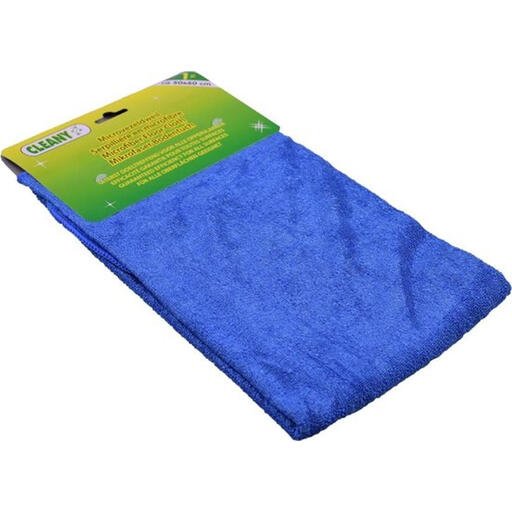
Why this product: This is a classic, heavy-duty microfibre floor cloth for thorough cleaning. With dimensions of 50 x 60 cm, it is large enough for serious mopping jobs. The microfibre structure is designed to effectively lift grease and dirt, even without a cleaning agent.
Benefits:
Who is this for: For households that prefer a durable, traditional, and thorough cleaning method. Ideal for those with large floor areas who want to save costs in the long run. Suitable for almost all hard floors, from tiles to laminate and parquet.
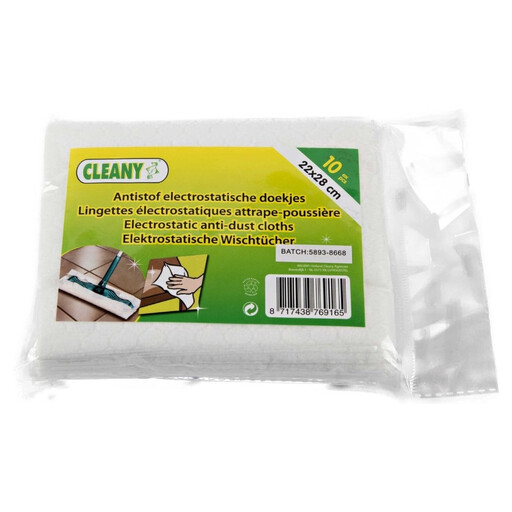
Why this product: These electrostatic dust cloths are a practical solution for the daily removal of dust, hair, and allergens. They are designed to use a static charge to trap particles rather than just moving them around.
Benefits:
Who is this for: Ideal for households with pets or people with dust allergies. Also a great solution for anyone wanting to quickly dry-clean the floor between wet mopping sessions. Suitable for all hard, smooth floors such as laminate, PVC, parquet, and tiles.
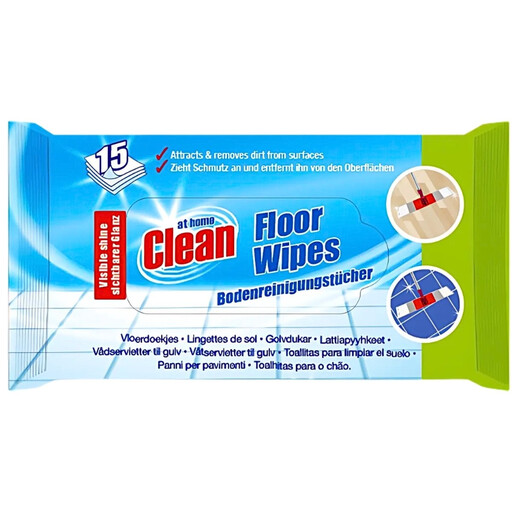
Why this product: These wet floor wipes offer the ultimate in convenience. Ready to use straight from the package, they are ideal for quickly tackling a spilled drink, muddy paw prints, or for a quick refresh of the kitchen or bathroom floor.
Benefits:
Who is this for: Perfect for small households, dorm rooms, or as a quick solution to supplement your regular cleaning routine. Convenient for anyone who values maximum ease and speed.
Now that your indoor floors are clean, your attention might shift to the outdoors. A well-kept garden or driveway contributes just as much to your home's curb appeal. Weeds between the paving stones or in a flowerbed can quickly spoil that neat impression.
To suppress weeds in a low-maintenance and long-lasting way, you can browse our range of Weed Control Fabric. This provides an effective base layer for under your gravel path, patio, or decking.
1. Can I use a microfibre floor cloth on any floor? Generally, yes. Microfibre is safe for most hard floors, including tiles, laminate, PVC, and sealed parquet. However, be cautious with oiled wooden floors. Over time, the fibres can strip the oil. For these, it's better to use a product specifically recommended by the floor manufacturer.
2. How do I wash a reusable mop cloth correctly? Most microfibre cloths, like the one mentioned above, can be washed at high temperatures (60 to 90°C). The most important rule is: never use fabric softener. Fabric softener clogs the pores of the microfibres, which ruins their absorbent and dirt-trapping properties.
3. Are electrostatic dust cloths better than a vacuum cleaner? They serve different purposes. A vacuum cleaner is more powerful and sucks up heavier dirt and debris. An electrostatic cloth is superior at trapping the fine dust, hair, and allergens that a vacuum can sometimes blow back into the air. For optimal results, use them together: first, an electrostatic cloth for the fine dust, then the vacuum cleaner for everything else.
Joybuy Product Recommendation Officer
