
Vandaag of morgen in huis

Kwaliteit gegarandeerd

Welkomstaanbiedingen ontgrendelen: GRATIS bezorging | Tot 80% korting | Gratis 30 dagen JoyPlus-proefperiode
Download de app
A floor cleaner and vacuum cleaner can tackle dust, hair and wet spills as part of a single cleaning routine. However, not every appliance is suitable for every floor or type of dirt. A cleaner designed for hard floors may be less practical on carpet, while a standard cordless vacuum cleaner isn’t designed to handle liquids.
For households with pets, children or little time to spare, three pitfalls are especially important:
Choosing the right appliance starts with the surface and the type of dirt.
Don’t rely on “for all floors” in the product title. Check the specific product description. For example, the Tineco Floor One S5 Steam is listed as suitable for hard floors such as vinyl, tiles, laminate and sealed wood. The instructions warn that it may not work as well on rough surfaces.
So, a floor cleaner with a mopping function isn’t automatically suitable for deep-pile carpet. For carpets and upholstery, you’re more likely to need a carpet cleaner or spot cleaner with spray and suction functions.
With a cordless vacuum cleaner, the maximum running time often applies to the lowest setting. A higher suction setting can reduce battery life. So, check the following:
A corded model such as the OMESER C688A has a 5-metre cable and a 600 W motor, according to the product information. This means you won’t have to stop to recharge, but you’ll have less freedom of movement than with a cordless vacuum cleaner.
Separate clean and dirty water tanks help prevent used water from being spread back over the floor. Even so, you’ll need to empty and dry the dirty water tank after use. Also check whether the filters are washable and how long they need to dry before you put them back.
Follow the safety instructions:
CE marking doesn’t prove that an appliance will perform well on every surface. Also check the manufacturer, the EU responsible person, the warranty terms and the accessories available.
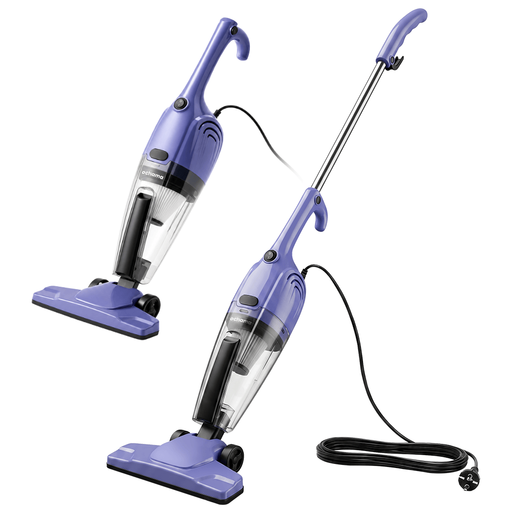
Why it suits this profile: This corded 2-in-1 model is suitable for smaller homes and everyday cleaning. There’s no battery to charge, and you can switch between stick and handheld modes.
The product information clearly states that the appliance isn’t designed for wet surfaces or liquids, so it’s clear what it can be used for.
550 W motor power, a 4.5-metre cable, a visible 0.5-litre dust container and a washable filter.
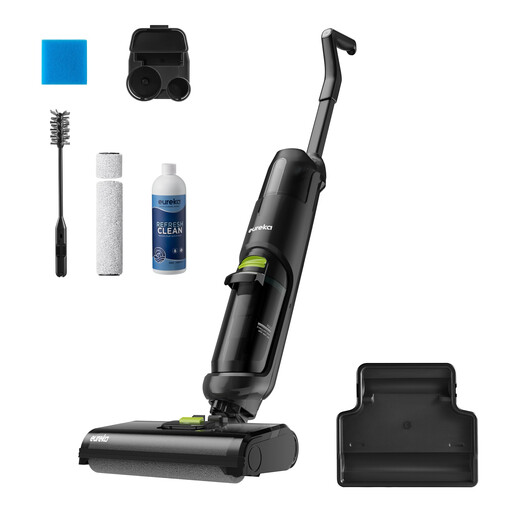
Why it suits this profile: This model vacuums and washes sealed hard floors. Its self-propelled movement and flexible head are useful in a busy home.
The product description specifies separate clean and dirty water tanks and limits use to several types of sealed hard flooring.
Up to 30 minutes of cordless use, automatic brush and internal tube cleaning, and a dual-tank system.
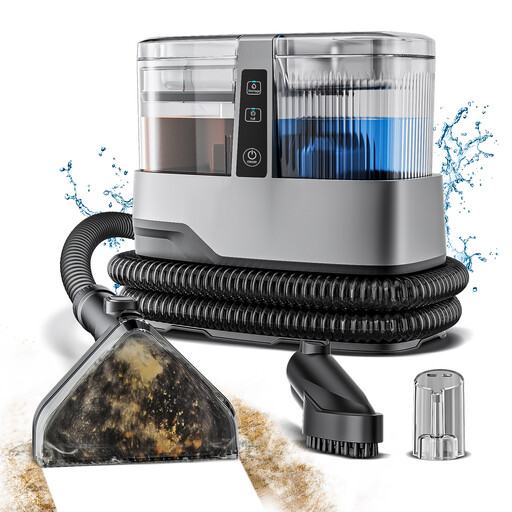
Why it suits this profile: For sofas, carpets, car seats and pet stains, a spot cleaner is a more targeted choice than a floor cleaner designed for hard floors.
The dual-tank design keeps clean and dirty water separate. The instructions also say to empty and rinse the tank after every use.
600 W power, 17,000 Pa suction power, a 5-metre cable and separate clean and dirty water tanks.
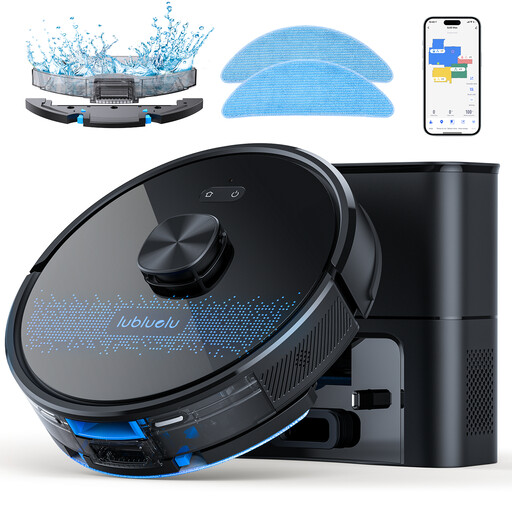
Why it suits this profile: According to the product information, a robot vacuum cleaner with a mopping function can vacuum, sweep and lightly mop on its own. It’s a good fit for regular cleaning schedules.
The specifications list LiDAR navigation, adjustable water flow and an automatic emptying station. Make sure to clear cables and small objects out of the way first.
Stated suction power of 4000 Pa, LiDAR mapping, app control, a mopping function and a 3 to 4-litre dust bag in the station.
We’ve put together a complete, up-to-date list of products that meet these strict selection criteria and the applicable European safety requirements.
It depends on the product category. A wet and dry floor cleaner is often designed for hard, sealed floors. A carpet cleaner or spot cleaner is usually better suited to carpets, sofas and car seats. Always check the surfaces listed as suitable in the manual.
Running time varies by model and suction setting. Manufacturers often give the maximum running time in eco mode. A model with a motorised brush and a higher setting will usually use up its battery more quickly. For a larger household, choose a model with a suitable running time or a replaceable battery.
As well as the purchase price, remember to factor in electricity, filters, brushes, mop pads, cleaning solution and any dust bags. An appliance with washable parts can help reduce ongoing costs, but it still needs regular maintenance. Before buying, check that replacement parts are available and whether you need a specific cleaning solution.
