
Vandaag of morgen in huis

Kwaliteit gegarandeerd

Welkomstaanbiedingen ontgrendelen: GRATIS bezorging | Tot 80% korting | Gratis 30 dagen JoyPlus-proefperiode
Download de app
A floor cleaner seems easy to choose until you have to decide between a steam cleaner, spray mop, electric floor cleaner or traditional mop and bucket. Marketing copy often focuses on steam pressure, antibacterial results or a clever self-cleaning system. In practice, though, it’s the floor type, maintenance and practical specifications that determine whether a product suits your household.
A steam mop can loosen dirt without using much cleaning solution, but hot steam and moisture aren’t automatically suitable for every floor. Unfinished wood, certain parquet finishes, laminate joints and surfaces with delicate adhesive layers can be sensitive to heat or moisture.
Always check the floor manufacturer’s care instructions. Test a steam cleaner on an inconspicuous area first. Also, don’t leave a steam cleaner in one place for too long. For example, the Melissa 16390057 instructions state that the appliance must not remain stationary on a surface for more than 15 seconds.
Higher power can indicate a powerful heating element, but it says little about running time, water tank capacity or manoeuvrability. A small tank may mean you need to refill it during a cleaning session. With an electric floor cleaner, battery life, weight, drying time and brush cleaning are important too.
Look out for conflicting product information. The Melissa 16390057 product title lists 1500 W, while the product specifications state 2500 W. Check the latest information on the product page before ordering.
Claims about bacteria depend on the testing method, surface, cloth, amount of water and time in use. According to a test by an independent accredited institute, as stated in Vileda’s product information, the microfibre head in question removes more than 99% of bacteria using water alone. You shouldn’t automatically assume the same results apply to other floors, cloths or conditions.
For laminate, vinyl and wooden floors, it’s important to control how much moisture you use. A spray mop with a tank, such as the 300 ml 5five Spray Mop, dispenses water as you clean. This means you don’t need a full bucket, but you’ll need to refill the tank regularly.
A mop and bucket give you more control over how wet the mop gets. A spin wringer or traditional wringer helps remove excess water. This is useful in larger rooms or when you’re cleaning different types of flooring one after another.
A microfibre mop picks up dust, hair and moisture, and is generally suitable for smooth hard floors. Check whether the cloth is washable and how it attaches to the handle. Velcro makes it easy to change, while a loose cloth is less comfortable to use and can leave streaks.
Also consider the shape. A triangular head can be useful for corners and skirting boards. A flat head slides more easily under sofas and beds. The dimensions determine how much surface you cover with each stroke, but a wide mop head isn’t always practical in small rooms.
For a steam cleaner, heat-up time, steam output, water tank capacity and cable length are measurable specifications. The ROUNY STEAMO X, for example, lists a heat-up time of around 25 seconds, a 250 ml tank, two steam settings and a 6-metre cable.
Steam can cause burns. Never direct it at people, pets, sockets or electrical appliances. Use water only, unless the instructions specifically allow other liquids. A handheld steam cleaner is useful for grouting, windows and kitchen surfaces, but always check that the material can withstand heat and moisture.
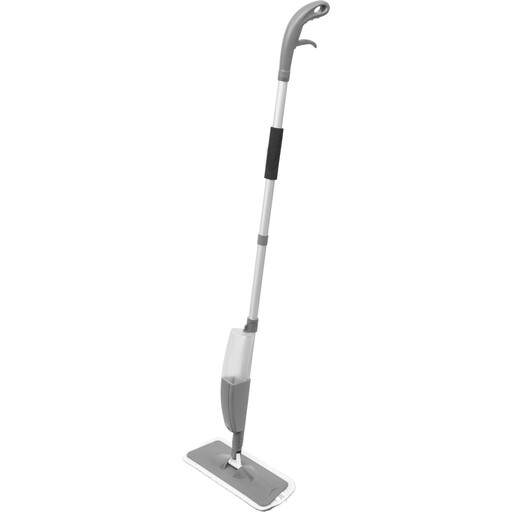
Why it suits this type of user: This lightweight spray mop works without a bucket and is ideal for quick cleaning sessions in flats, kitchens and smaller households.
The product information lists a 300 ml tank and a spray function. You control how much moisture you use, but bear in mind that you may need to refill it when cleaning larger areas.
No bucket needed, rotating head, 120 cm length and, according to the product information, suitable for laminate, linoleum, PVC and tiles.
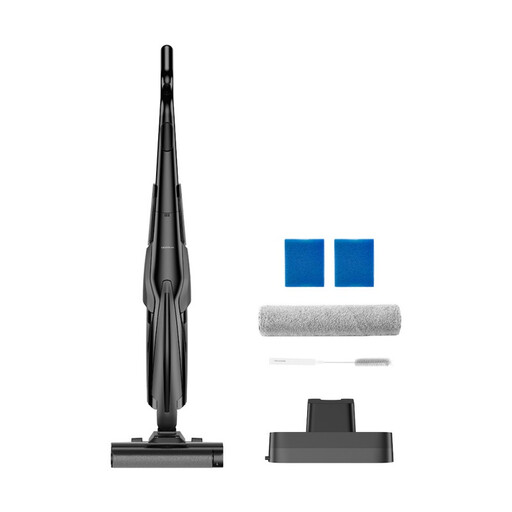
Why it suits this type of user: Households with pets or lots of foot traffic may benefit from an electric appliance that combines vacuuming with wet cleaning.
The specifications list suction power of 22,000 Pa, a maximum run time of 50 minutes and a weight of 4.6 kg. Compare these figures with the size of your home and how much lifting you’ll need to do.
Wet and dry cleaning, folds flat to 180°, 120° manoeuvrability and a system for washing and drying the roller brush.
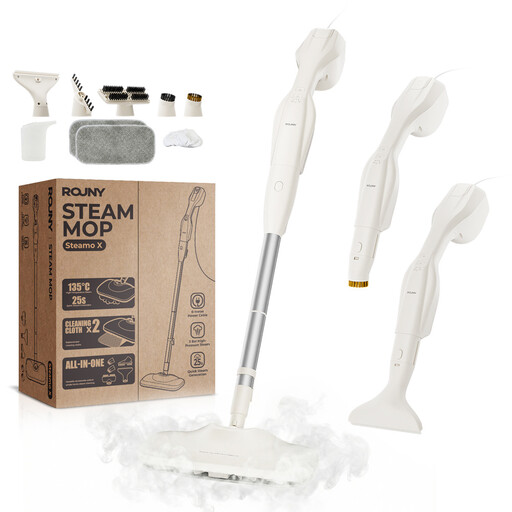
Why it suits this type of user: If you want to use steam to clean windows, kitchen surfaces, walls and corners as well as floors, this model comes with several attachments.
The 220–240 V power supply is suitable for Dutch households. Two steam settings give you more control than a single fixed setting, but check that your flooring is suitable before use.
Heat-up time of around 25 seconds, 6-metre cable, 250 ml water tank and five listed accessories.
We’ve put together a complete, up-to-date list of products that meet these strict selection criteria and the applicable European safety regulations.
A spray mop or lightly damp microfibre mop is usually a practical choice for laminate, provided the floor manufacturer allows it. Avoid using too much water and don’t let moisture sit in the joints. Only use a steam mop if the floor’s care instructions say it’s suitable.
That depends on the model. A mop set doesn’t use electricity, but it does require water, washable cloths and sometimes cleaning solution. An electric floor cleaner uses power and may have parts such as rollers, filters or batteries that need maintenance or replacement. So compare more than just the purchase price: check the tank capacity, run time and replaceable parts too.
Its lifespan depends on how you use, store and maintain it. Rinse the mop or brush after use, let the parts dry completely and empty the water tank. For steam cleaners, following the instructions to limit limescale build-up can help. Also check the statutory minimum two-year guarantee for consumer products in the European Union; additional rights may apply under Dutch law.
