
Vandaag of morgen in huis

Kwaliteit gegarandeerd

Welkomstaanbiedingen ontgrendelen: GRATIS bezorging | Tot 80% korting | Gratis 30 dagen JoyPlus-proefperiode
Download de app
A floor cleaner can help with everyday dirt, pet hair and spilled liquids. However, not every appliance is suitable for every floor. A wet and dry vacuum cleaner works differently from an electric mop, while a stick vacuum usually only picks up dry debris. If you focus too much on a long list of features, you could end up buying a machine that, in practice, is too heavy, too limited or difficult to maintain.
An appliance may be described as suitable for both hard floors and carpet, but always check the specific surface specifications. A floor cleaner for hard floors is not necessarily suitable for untreated wood, high-pile carpet or delicate furniture.
Look out for terms such as:
A steam cleaner for the floor requires extra caution. Steam and heat are not suitable for every floor finish. Only use a steam function when the manual confirms it is safe for the surface.
A cordless floor cleaner is easy to use in different rooms, but the battery life determines how much you can do in one go. Therefore, check the stated running time, charging time and the capacity of the clean and dirty water tanks. An appliance with a running time of 30 to 40 minutes may be fine for maintenance, but less practical for a large house with multiple floors.
With a corded model, the length of the cable matters instead. A long cord often means you won’t need to switch sockets while cleaning.
A floor washing machine or wet and dry vacuum handles water, dirt and sometimes cleaning solution. After use, the tanks, filters and brushes usually need to be emptied and cleaned. If a self-cleaning programme is missing, manual maintenance takes more time.
Maintenance is also important with a standard stick vacuum. A full dust bin, clogged filter or jammed brush can affect performance. Before buying, check whether the filters are removable and, according to the product information, washable.
For crumbs, dust and hair, a stick vacuum is often sufficient. For spilled drinks, a wet and dry vacuum cleaner is more practical, but not every model can handle large amounts of liquid or certain substances. Hot water, flammable liquids, sharp objects and ash are excluded from many appliances.
A rubber floor brush with a squeegee edge works without electricity. This is a simple solution for liquids on smooth floors and for removing pet hair from carpet or hard floors.
A soft microfibre roller is designed for delicate, sealed hard floors. A rotating turbo brush can help with hair on furniture, car seats and carpet. Check whether a replacement brush roll is available and how often the manufacturer recommends replacing it.
The BISSELL CrossWave HF3 Brush Roll is, according to the product description, intended for sealed wooden floors and dry or wet soiling. The manufacturer advises replacing the brush roll approximately every six months to maintain the stated cleaning results. This is a recommendation from BISSELL, not a general lifespan for every brush roll.
An appliance weighing around four kilograms can move across the floor well, but becomes less convenient on stairs or above shoulder height. Also consider:
An adjustable handle can be useful for multiple users. With manual brushes, a telescopic handle is especially practical when you are working for long periods.
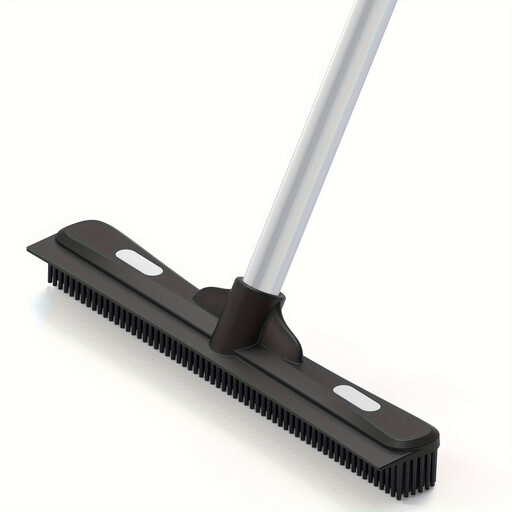
Why this fits the profile: This manual floor brush requires no battery or mains socket. The adjustable handle is 61 inches long and the rubber head is designed for hair, dust and fluff on carpet and hard floors.
The operation is straightforward: no battery life, water tank or complicated programme settings. The integrated squeegee edge is designed for liquids on smooth surfaces.
Rubber cleaning head; 2-in-1 design with squeegee edge; adjustable handle.
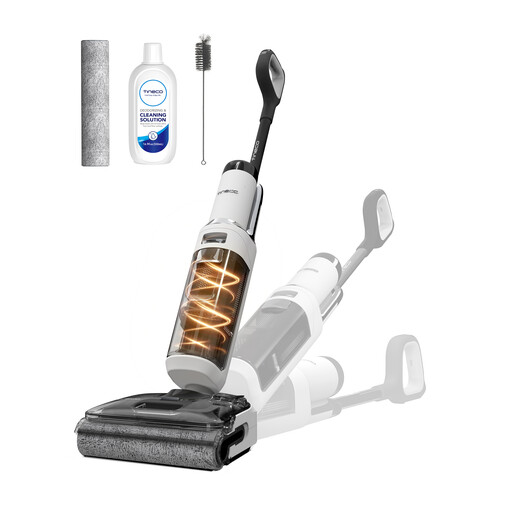
Why this fits the profile: This cordless model is designed for hard floors and, according to the product information, offers a running time of up to 40 minutes, a flat design of 13 cm and a self-cleaning and drying function.
The product specification clearly states the intended surfaces: hard floors, wood, laminate and ceramic tiles. It remains important to avoid rough or untreated surfaces.
Up to 40 minutes running time according to the product information; 180° flat design; self-cleaning and drying function.
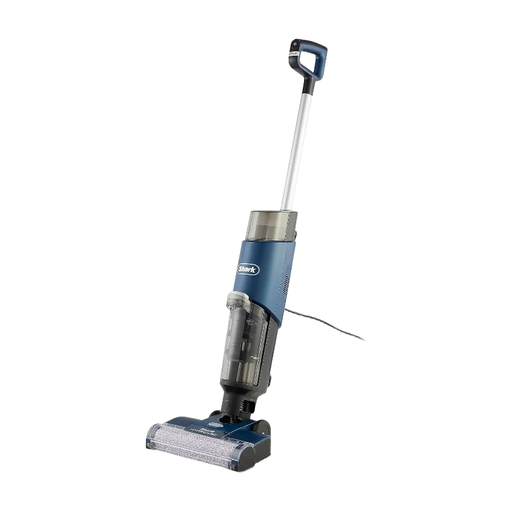
Why this fits the profile: According to the product description, this model combines vacuuming and washing for hard floors and carpet. The 25-foot cable is suitable for longer cleaning sessions without needing to recharge.
The appliance has a dirty water tank, self-cleaning mode and a filter for dirt particles. This means the maintenance routine is clearly described, although the tank and roller still need to be emptied and rinsed after use.
3-in-1 function according to the product information; 25-foot cable; 500 ml tank; designed for hard floors and carpet.
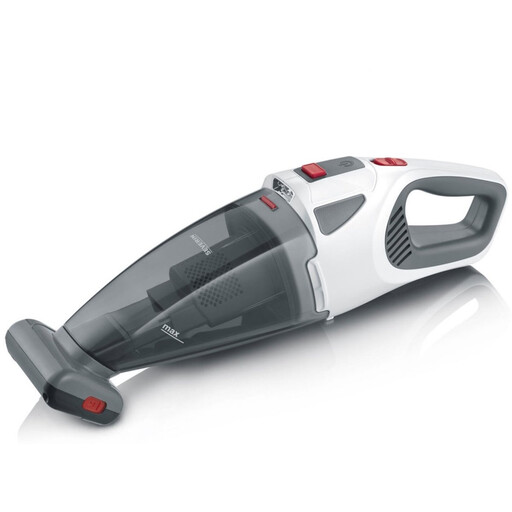
Why this fits the profile: The 18.5 V lithium-ion battery offers up to 30 minutes of running time according to the product information. The rotating turbo brush and accessories are designed for furniture, car seats and pet hair.
The wet and dry function is stated in the product information, but the capacity is limited. Empty the dust bin and water tank after use and do not use the appliance for hot, flammable or sharp materials.
Up to 30 minutes running time according to the product information; rotating turbo brush; wet and dry function; 4-in-1 accessories.
We have compiled a full, up-to-date list of products that fully meet these strict selection criteria and comply with current European safety regulations.
No. A standard stick vacuum is generally designed for dry dirt. Only choose a wet and dry vacuum cleaner when the product information explicitly mentions liquids. Also follow the safety instructions regarding maximum capacity and prohibited liquids.
The lifespan depends on use, maintenance, filters and replaceable brushes. Empty the tanks after wet cleaning, let parts dry completely and check the filters regularly. The statutory guarantee in the European Union for many consumer products is at least two years; additional rights may apply under applicable national law.
With a cordless model, you mainly pay for electricity during charging and possibly for cleaning solution, filters and brush rolls. A corded model uses electricity while cleaning. With a manual floor brush, there are no charging costs, but replacement of the brush or squeegee edge may be needed over time. The total cost therefore depends not only on the purchase price, but also on maintenance and consumable parts.
