
Listeners who want to reduce cabin noise
You want to follow the narrator without constantly turning up the volume. Compare the passive noise isolation and ANC of the exact model you’re considering; Shure highlights that the seal depends on the fit.


Choose a well-fitting, sound-isolating pair of wired in-ear headphones if you want to listen without stopping to recharge and your audio source supports a wired connection. Wireless in-ear headphones with ANC are a better fit if you want to listen without cables and reduce cabin noise; check the battery life per charge with ANC switched on. Fit and compatibility with your own device or the seat’s audio socket are still key.
You want to follow the narrator without constantly turning up the volume. Compare the passive noise isolation and ANC of the exact model you’re considering; Shure highlights that the seal depends on the fit.
You want your earbuds to stay comfortable throughout a long listening session. Different tip sizes may help you find the right fit, but they can’t guarantee it; the Consumers’ Association, Shure and Sennheiser all highlight fit as something to consider.
You’re weighing up a wired connection against the battery life per charge of wireless earbuds. The Consumers’ Association points out that you can’t use the earbuds while they’re charging in the case.
Choose this option: if you want to listen for a long time without charging your headphones and have a compatible connection.
Keep in mind: a cable can get in the way, and the seal depends on the fit.
Choose this option: if you want to listen wirelessly from a compatible personal device and reduce cabin noise.
Keep in mind: ANC uses battery power, so compare the battery life per charge with ANC switched on.
Choose this option: if you want to listen wirelessly and are also considering a wired audio source on board.
Keep in mind: a transmitter function doesn’t confirm that the case will connect to your seat’s entertainment system.
| What to consider | What to check before buying | Who should consider this? |
|---|---|---|
| Cabin noise and clarity | Compare the passive noise isolation, ANC and any transparency mode on the exact model. Don’t treat a noise-reduction claim as a measurement of how it will perform for your ears. | If I want to follow the narrator without constantly turning up the volume, I focus on reducing cabin noise. Around 25% of consumers make this their top priority. |
| Fit for long periods of wear | Check the sizes and materials of the tips supplied. Try a different tip if one doesn’t seal comfortably, and don’t push it deep into your ear canal. | If you want to listen for hours without earbuds feeling tight or loose, fit is especially important. Around 25% of consumers make wearing comfort their top priority. |
| How speech sounds | If possible, compare the same familiar speech clip at an even, moderate volume, with well-fitting earbuds. | If you want the narrator’s voice to sound clear and comfortable, listening to speech matters more than comparing music specifications alone. Around 19% of consumers make speech quality their top priority. |
| Uninterrupted listening time | For wireless models, compare the stated battery life per charge with ANC switched on against the amount of listening time you need. Wired in-ear headphones still need to be compatible with your audio source. | If you want to follow a story without stopping to recharge, the battery life of the earbuds themselves matters. Around 19% of consumers make uninterrupted listening their top priority. |
| Connection to your audio source | Decide whether you’ll use your own device or the entertainment system, then check the plug, Bluetooth connection and any adapter or transmitter case you may need. | If I want to know in advance whether my earbuds will work with my chosen audio source, I check the connection first. Around 12% of consumers make compatibility with their audio source their top priority. |
Total battery life may include recharging in the case. You can’t use the earbuds while they’re charging in it.
Compare the battery life per charge with the setting you plan to use, such as ANC switched on.
The seal also depends on your individual fit; a manufacturer’s claim isn’t an independent measurement for your ears or your flight.
Check the tip sizes available and bear in mind the surrounding noise and announcements.
A 3.5 mm plug, Bluetooth connection and case with an audio transmitter are different connection options. A transmitter function alone doesn’t confirm that the case will work with the seat’s audio socket.
Decide whether you’ll use your own device or the entertainment system, then check which connection you need.
A wired connection may require a suitable adapter or cable, so check before you travel.
The wired SE215 is worth considering if you’re looking for passive noise isolation, a choice of sleeves and a replaceable cable.
The wired IE 200 is an option if you want to listen without stopping to recharge and try different ear tips.
The WF-1000XM6 is a wireless in-ear model with ANC and a transparency mode.
The Tour Pro 3 is a wireless ANC in-ear model whose case also works as an audio transmitter, according to JBL.
These product choices are aimed at wireless listening with ANC from a personal device. Check each model’s battery life, settings and fit to make sure they suit your flight.
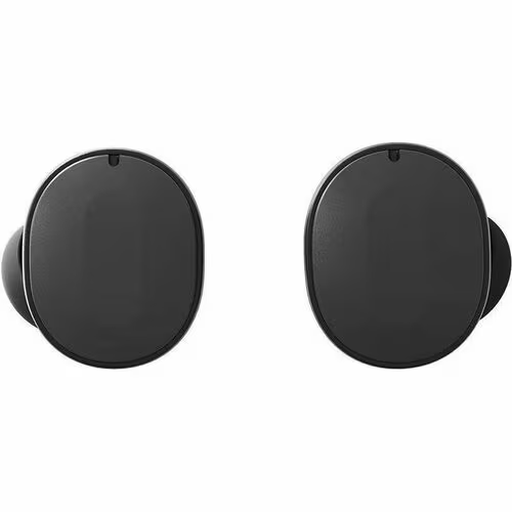 No image available
A wireless in-ear option if you want to use ANC and listen from your own device.
The product description lists hybrid ANC and up to 8 hours of playback per charge with ANC switched off.
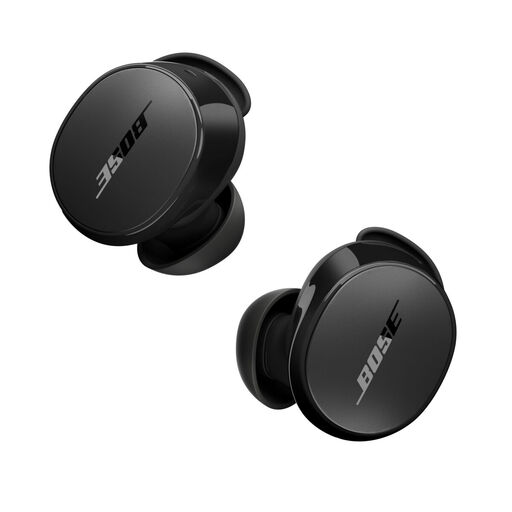 No image available
A wireless option for combining ANC with listening from your own device.
The product description lists active noise cancelling, an Aware mode, up to 8.5 hours of use per charge and ear tips in three sizes.
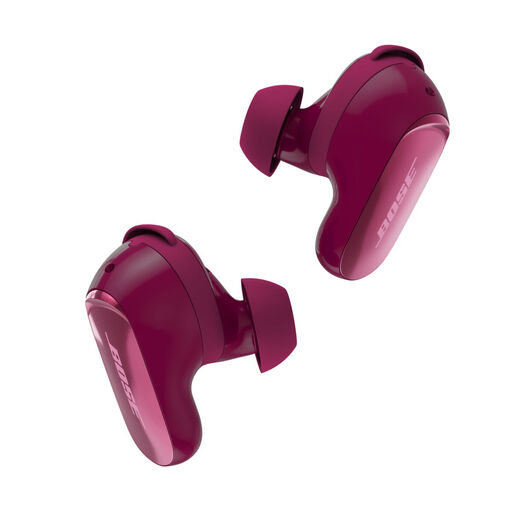 No image available
These wireless in-ear headphones are an option if you want to compare ANC with a transparency mode.
The product description lists Quiet and Aware modes, with up to 6 hours of playback in those modes or up to 4 hours with Immersive Audio.
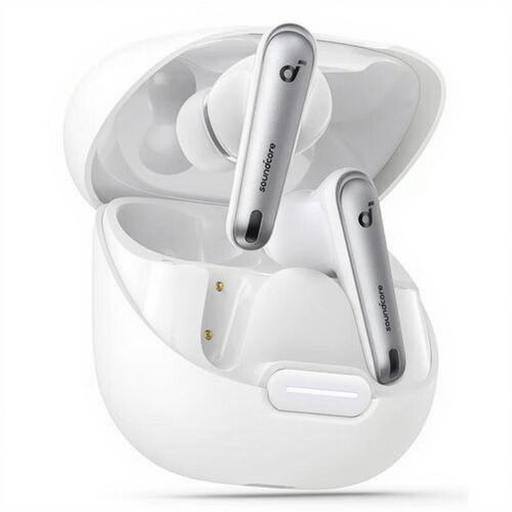 No image available
A wireless in-ear option if you want ANC and listen via Bluetooth from your own device.
The product description lists noise cancelling, Bluetooth and up to 10 hours of playback per charge.
 No image available
A wireless option for using ANC and Bluetooth with your own device.
The product description lists adaptive noise cancelling, Bluetooth 5.4 and up to 7 hours of playback per charge.
First check the audio connection available on your flight. The wired Shure SE215 and Sennheiser IE 200 have a 3.5 mm plug; JBL describes the Tour Pro 3 case as an audio transmitter. Those product features alone don’t confirm that a model will work with your seat.
Try a different supplied size if an ear tip doesn’t seal comfortably. Shure recommends a snug seal and warns against pushing the sleeve past the opening of the ear canal; follow your own model’s instructions for cleaning.
Not if the total usage time includes the charging case. The Consumers’ Association points out that you can’t use the earbuds while they’re charging in the case, so compare the battery life per charge using the setting you plan to use.
It depends on the airline and the flight. Transavia allows Bluetooth devices during the flight, but says they must be switched off during take-off and landing. Follow the crew’s instructions and check the rules for your flight.
Try well-fitting in-ear headphones or noise cancelling first, rather than automatically turning up the volume. The World Health Organization recommends using well-fitting and, where appropriate, noise-cancelling headphones to reduce the need to raise the volume in a noisy environment.