
Vandaag of morgen in huis

Kwaliteit gegarandeerd

Welkomstaanbiedingen ontgrendelen: GRATIS bezorging | Tot 80% korting | Gratis 30 dagen JoyPlus-proefperiode
Download de app
A fleece jacket may seem straightforward to choose at first glance. However, models vary considerably in warmth, fit and protection against British weather. For example, a soft inner surface says little about performance during a wet cycle ride or a challenging walk.
The right choice depends on how you plan to use it: are you looking for a warm layer for everyday wear, a women’s fleece jacket or men’s fleece jacket for walking, or a versatile 3-in-1 outdoor jacket for trekking and camping? The checks below will help you avoid making the wrong purchase.
Fleece retains warmth well, but it is usually not waterproof on its own. A fleece jacket can therefore work well as a mid-layer, but be less practical in prolonged rain. If you are looking for a jacket for walking or commuting, check whether it has a separate outer layer, water-repellent fabric or waterproof membrane.
Also pay attention to the difference between water-repellent and waterproof. A specific hydrostatic head rating, membrane or clear technical description provides more guidance than general terms such as “all-weather”.
A thick fleece jacket feels comfortable when you are sitting still, for example at the campsite. During a climb or long cycle ride, however, a heavy model with limited breathability can feel hot and clammy. Check whether the product information mentions a breathable construction, ventilation openings or an MVTR rating.
A breathable outdoor jacket is particularly useful for trekking, hilly terrain and activities where you regularly change intensity.
A fleece jacket is often worn over a shirt or thermal layer. A close fit restricts your freedom of movement and makes layering difficult. A jacket that is too loose can let draughts in. Therefore, check the chest measurement, shoulder width and sleeve length in the size guide. With a 3-in-1 model, you should also compare the measurements of both the outer jacket and the lining.
Fleece works as an insulating layer because its fibre structure traps air. Warmth depends, among other things, on the thickness, the material and whether it is combined with a windproof outer layer.
A fleece jacket is not automatically suitable as a winter walking jacket. In cold, wet and windy weather, both insulation and a protective outer layer are important.
Three elements are relevant when choosing a waterproof fleece jacket:
Bear in mind that technical figures are supplied by the brands. According to PELLIOT’s product description, the purple 3-in-1 model has a hydrostatic head of 35,900 mm H₂O, breathability of 16,000 g/m²/24 hours and abrasion resistance of 40,000+ rubbing cycles, measured according to the stated JIS method. These figures describe the product specification; your actual experience will also depend on use, fit, care and weather conditions.
For everyday use, a sturdy zip, secure pockets and an adjustable hood are practical features. A kangaroo pocket works well with a hoodie, but generally offers less protection for small items than zipped pockets.
Also check the care label. Several models in this overview must not be tumble-dried or dry-cleaned. Close the zips before washing, use a mild detergent and follow the instructions on the clothing label. This will help limit wear to the fleece, seams and coatings.
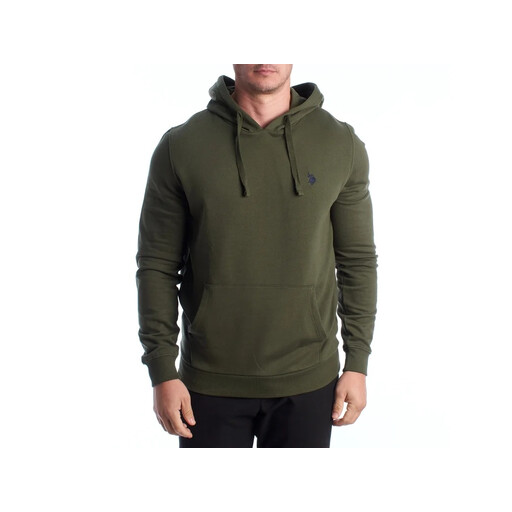
Why it suits this profile: This fleece hoodie is designed for everyday comfort, layering and relaxed time outdoors. According to the product description, it is made from 60% cotton and 40% polyester.
The product information specifically mentions a thick fleece layer, hood, ribbed cuffs and a kangaroo pocket. Do not expect a waterproof outer layer; this model is best suited to dry, cooler days.
Adjustable hood, long sleeves, elasticated waistband and machine washing at a maximum of 30 °C according to the product information.
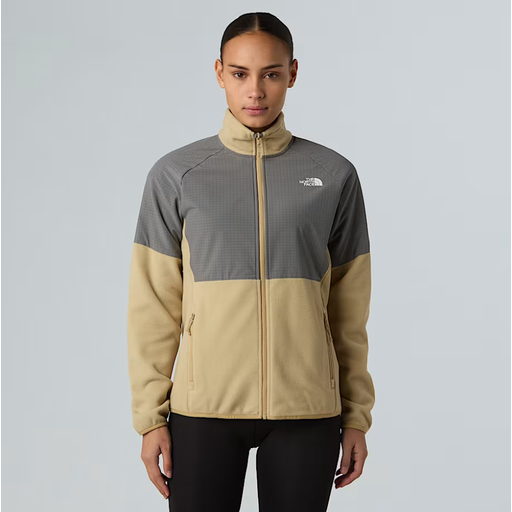
Why it suits this profile: This women’s fleece is intended as a mid-layer for walking, alpine activities and camping. The jacket has a standard fit and, according to the product description, can be combined with Triclimate jackets.
The jacket is clearly described as a fleece mid-layer. Its role is therefore clear: in rainy weather, pair it with a suitable waterproof shell rather than relying on the fleece alone.
100% polyester fleece, full-length zip and zipped pockets according to the product description. Available in multiple sizes within the same model range.
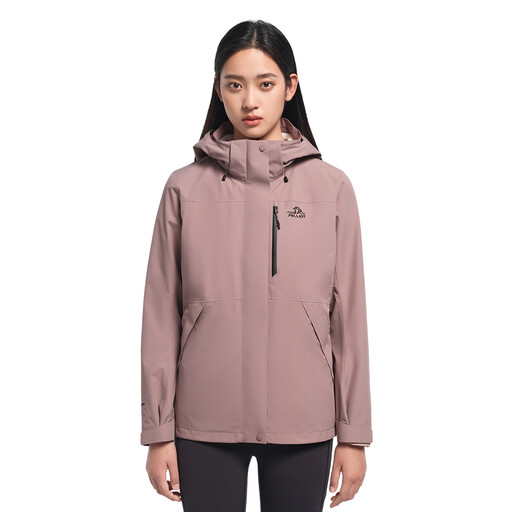
Why it suits this profile: The combination of an outer layer and thermal lining is well suited to trekking, camping, travel and everyday commuting in changeable weather.
According to the product description, this model has a 3-in-1 construction, a hydrostatic head of 35,900 mm H₂O and an MVTR of 16,000 g/m²/24 hours according to JIS. Its technical claims are therefore linked to stated measurements.
Can be worn separately as a shell, lining or combined jacket; adjustable hood, hem and cuffs; sizes S to XXXL according to the stated size guide.
We have put together a complete, up-to-date list of products that fully meet these strict selection criteria and the applicable European safety regulations.
A standard fleece jacket is primarily an insulating layer and is not automatically waterproof. For rainy weather, you need a jacket with a suitable outer layer, membrane and preferably taped seams. A 3-in-1 outdoor jacket may offer this combination, but check the technical product information for each model.
Its lifespan depends on how often it is worn, friction, washing and drying. A jacket that is frequently worn under a rucksack will wear more quickly on the shoulders and side panels. Wash it according to the label, avoid unsuitable heat and check the zips and seams regularly. A model with a stated abrasion-resistance rating provides more information than simply promising to be “durable”.
A fleece jacket usually has sleeves and provides more coverage in wind and cold weather. A zipped fleece gilet leaves your arms unrestricted and works well as a lightweight layer over a shirt or underneath a shell. Choose a jacket for full warmth and protection; choose a gilet when freedom of movement and layering are more important.
