
Vandaag of morgen in huis

Kwaliteit gegarandeerd

Welkomstaanbiedingen ontgrendelen: GRATIS bezorging | Tot 80% korting | Gratis 30 dagen JoyPlus-proefperiode
Download de app
A fleece hoodie may seem straightforward to choose. Yet many buyers find themselves disappointed after a few weeks by insufficient warmth, an ill-fitting cut or difficult care. Product photos and general terms such as “extra soft” do not always tell you enough about the garment’s properties.
So watch out for three common pitfalls:
With the right checks, it is easier to find a fleece sweatshirt for relaxing at home, a casual hoodie for everyday wear or a warm hoodie for layering on chilly days.
The composition largely determines how a hoodie feels and how easy it is to care for.
For example, a U.S. Polo Assn. fleece hoodie in the selection consists of 60% cotton and 40% polyester. An Urban Classics model lists 70% cotton and 30% polyester. These percentages provide more information than simply describing the garment as “soft fleece”.
Also look out for conflicting information. Some models mention fleece even though the composition or weight is not shown in full. In that case, use the product page and care label as your main points of reference.
The weight of sweatshirt fabric is sometimes given in g/m², also known as GSM. This is not a direct guarantee of warmth, but it does help distinguish lighter fabrics from heavier ones.
The Urban Classics Fluffy Hoody and Zip Hoody are described as having a soft, brushed inside. A weight of 330 g/m² is listed for several versions. The Urban Classics Ultra Heavy Hoody lists 100% cotton and 460 g/m². This makes it appealing to fans of a heavyweight, oversized hoodie, but less suitable if you are looking for a thin layer to wear under a coat.
Do not just look at the letter size. Also check the size guide, chest measurement and type of fit.
For everyday wear, details such as ribbed cuffs, an adjustable hood, a kangaroo pocket or side pockets are practical. A hoodie with a zip is easier to put on and take off and can be worn as a mid-layer. A pullover has fewer components and often gives a more traditional sweatshirt look.
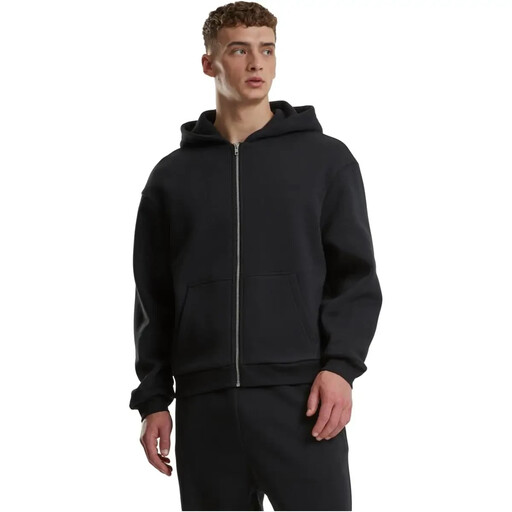
Why it suits this profile: The full-length zip makes it easy to put on and take off. The hoodie is suitable for casual outfits, wearing at home and as an extra layer on chilly days in the Netherlands.
The product information mentions a brushed inside, drawstring and full-length zip. However, check the selected size and version before buying.
70% cotton and 30% polyester; brushed inside; drawstring hood and side pockets.
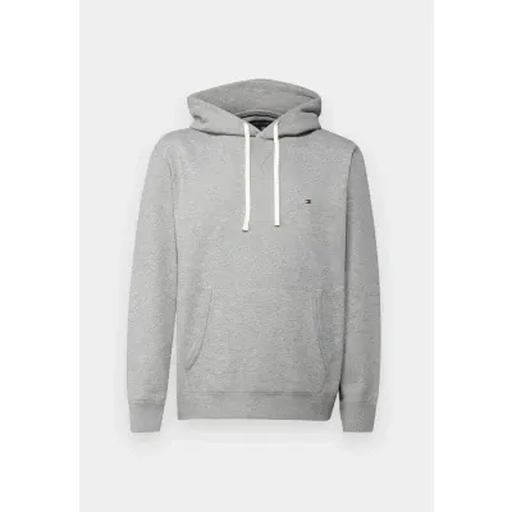
Why it suits this profile: This model has a classic look with a hood, kangaroo pocket and ribbed cuffs. That makes it a smart casual hoodie for everyday wear.
The product description mentions fleece, an adjustable drawstring and ribbed cuffs. Check the composition on the label, as only cotton and polyester are mentioned.
Soft fleece according to the product information; adjustable hood; kangaroo pocket; suitable for casual wear, light training or layering.
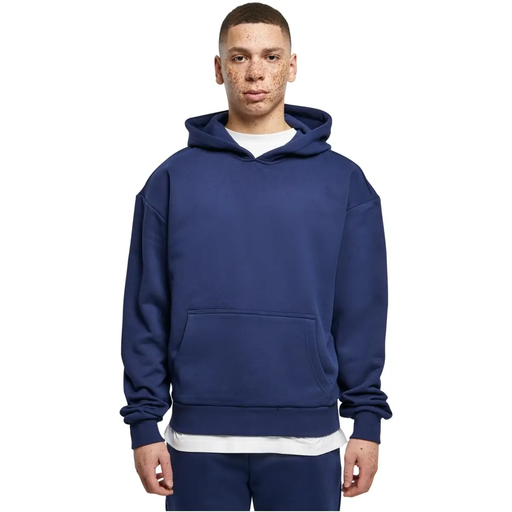
Why it suits this profile: The heavyweight fabric and oversized fit are designed for streetwear, cold days and anyone looking for a clearly roomy layer.
The stated weight of 460 g/m² makes the fabric choice easy to verify. The generous cut prevents you from mistakenly expecting a regular fit.
100% cotton; 460 g/m²; oversized fit with dropped shoulders; hood and kangaroo pocket.
We have put together a complete, up-to-date list of products that fully meet these strict selection criteria and the applicable European safety regulations.
Its lifespan depends not only on the fabric, but also on how it is cared for. Always follow the label for the model you choose. Many fleece sweatshirts in this selection recommend:
For example, a U.S. Polo Assn. model recommends washing at a maximum of 30 °C and not tumble drying. Some Urban Classics models recommend cold washing and drying at a low temperature. Always check the instructions for each item, even when two hoodies look similar.
Turn a hoodie inside out and fasten the zip before washing. This helps protect the outside and other garments. With fleece, avoid using fabric softener if the care label advises against it, as it may affect the properties of synthetic fibres.
Not always. Warmth is affected by fabric weight, fleece lining, fit and wind resistance. A heavyweight cotton hoodie may feel warmer than a lightweight fleece hoodie, while a lined cotton-polyester blend performs differently again. Compare the product details rather than relying on the name alone.
A hoodie with a zip is useful when you want to adjust your temperature quickly or wear the hoodie over a T-shirt as a layer. A pullover has a continuous front and often a more classic look. A zip can be practical for cycling, walking or commuting; for loungewear or streetwear, the choice mainly comes down to personal preference.
Measure a similar hoodie that fits well and compare the chest width, sleeve length and overall length with the size guide. Also consider the fit: a women’s hoodie may be cut differently from a men’s hoodie, while an oversized hoodie is intentionally roomier. If in doubt, check the specific measurements for the selected model rather than relying only on S, M, L or XL.
