
Vandaag of morgen in huis

Kwaliteit gegarandeerd

Welkomstaanbiedingen ontgrendelen: GRATIS bezorging | Tot 80% korting | Gratis 30 dagen JoyPlus-proefperiode
Download de app
Choosing a fleece jacket for women and men may seem straightforward: look at the colour, select a size and check the lining. However, a fleece hoodie, casual fleece gilet and lined jacket can differ significantly in how they are used. A soft style for wearing at home is not automatically suitable as a camping jacket in rain and wind.
The right choice depends on three things: where you will wear the jacket, how much protection you need and which fit works with layers. This checklist helps you avoid paying for features you will not use or being left with an impractical jacket after just a few months.
Fleece retains warmth, but on its own it is generally not a waterproof outdoor jacket. A fleece jacket can work perfectly well as a mid-layer, while a hardshell or 3-in-1 jacket is needed for prolonged rain. So check whether the product contains fleece only or also has a water-repellent, windproof outer layer.
Pay attention to the wording too. ‘Water-repellent’ does not automatically mean ‘waterproof’. Look for a stated hydrostatic head, sealed seams, zip protection and care instructions.
Warmth is not determined solely by the thickness of the fabric. A hood, adjustable cuffs, a drawcord at the hem and a close-fitting collar help keep out draughts. As a result, a thin windproof jacket can be more practical than a thick fleece without wind protection.
For everyday use in town, a fleece hoodie is often sufficient. For cycling, walking or travelling in changeable weather, a warm fleece jacket with an outer layer is more versatile.
A jacket that fits well over a T-shirt may feel too tight with a jumper or fleece gilet underneath. Check the chest, shoulder and sleeve measurements in centimetres. With a 3-in-1 jacket, it is also important that the inner and outer jackets are comfortable when worn separately.
Do not compare only S, M or L with your usual size. Size charts vary by brand and sometimes between a women’s fleece jacket and a men’s fleece jacket.
Fleece is usually made from polyester or a cotton blend. Polyester generally dries faster and is widely used in outdoor clothing. A cotton blend feels familiar for casual wear, but is less suited to wet conditions.
Check:
A padded jacket with polyester filling is a different category from fleece. This type of style may have more volume and is primarily intended as a warm winter coat, whereas fleece is more flexible for layering.
For a waterproof outdoor jacket, the hydrostatic head is often expressed in millimetres H₂O. A higher value indicates greater resistance to water pressure according to the test method used, but it does not say everything about comfort, seams or long-term use.
According to the product information, the PELLIOT fleece-lined models state a hydrostatic head of 35.900 mm H₂O according to JIS and breathability of 16.000 g/m²/24 hours according to JIS. These figures are product specifications taken from the brand and product description; they do not guarantee performance in every weather situation. When you receive the jacket, also check the zips, seams and fit.
A high breathability rating is particularly relevant for trekking or cycling. For commuting at a steady pace, good ventilation, lightweight fabric and a comfortable fit are often more important than the highest technical figures.
A windproof jacket only works well if cold air cannot easily enter through the sleeves, neck or hem. So look for:
According to the product description, the PELLIOT 3-in-1 models have adjustable hoods, hems and cuffs. The US POLO ASSN fleece hoodies focus more on an adjustable hood, ribbed trims and a kangaroo pocket. This makes them suitable for everyday use and layering, but not automatically for heavy rain.
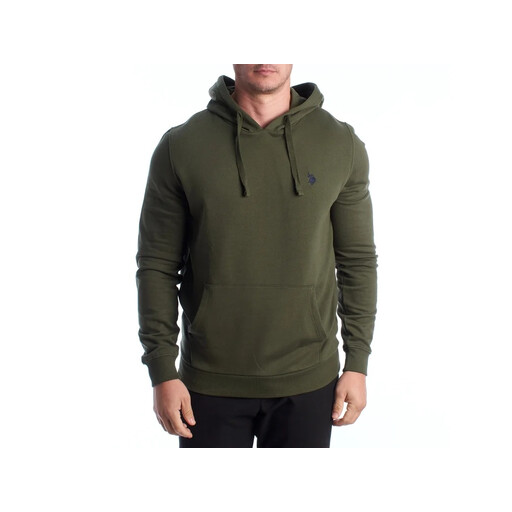
Why it suits this profile: An accessible fleece hoodie for everyday use, at home, on the go or during a cool walk. The pullover has an adjustable hood and kangaroo pocket.
The product information clearly mentions a thick fleece lining and a 60% cotton, 40% polyester cotton-polyester blend. No waterproof performance is stated, so you will not mistakenly treat the hoodie as a rain jacket.
Thick fleece lining, adjustable hood, long sleeves and ribbed trims. Machine washable at up to 30 °C according to the product information.

Why it suits this profile: For anyone wanting to use one jacket for commuting, travelling, walking and camping. The 3-in-1 construction allows the outer jacket, lining or both together to be worn separately.
The product page specifies a hydrostatic head, breathability rating and measurements for both the outer and inner jackets. This allows you to compare technical claims and fit more precisely.
According to PELLIOT’s product information: 35.900 mm H₂O according to JIS, 16.000 g/m²/24 hours according to JIS and a thermal inner lining. Check the product page for current size and availability information.
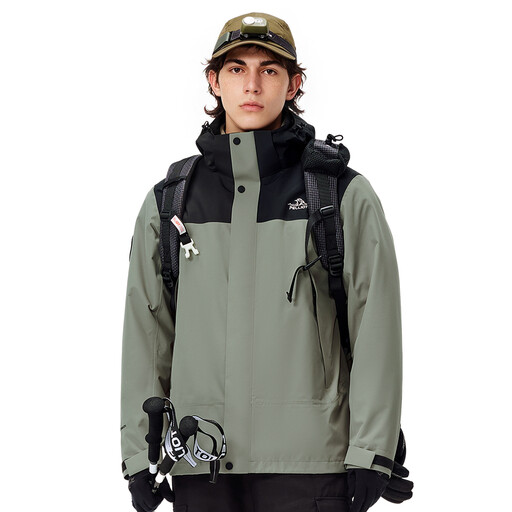
Why it suits this profile: Designed for trekking, camping and longer outdoor activities where wind, rain and scraping branches may be factors. According to the product description, the jacket is intended to be worn as a shell, liner or combined 3-in-1 jacket.
The product information mentions a microporous membrane, taped seams, a windproof construction and a scratch-resistant outer fabric. These are verifiable design features that go beyond simply calling it a ‘warm jacket’.
3-in-1 use, an adjustable fit and an outer layer with waterproof, breathable and hard-wearing properties according to PELLIOT’s product information.
Measure your chest over a thin shirt and compare it with the size chart. If you want to wear a jumper underneath the jacket, allow extra room for movement around the shoulders and underarms. With a women’s style, also check the length and shoulder width separately; choosing a larger size does not always make the sleeves proportionally longer.
Care affects the product’s lifespan. Fasten zips before washing, use the temperature shown on the label and avoid bleach. Many fleece products should not be tumble dried. With technical jackets, heat can affect the coating or water-repellent finish. Also avoid washing a fleece hoodie unnecessarily hot, as heat and friction can make the fabric bobble more quickly.
We have put together a complete, up-to-date list of products that fully meet these strict selection criteria and the applicable European safety regulations.
It depends on the combination. A fleece jacket with a thermal lining may be suitable for cold days, but a protective outer layer is useful in wind and rain. For spending long periods outdoors, a lined jacket or 3-in-1 jacket may be more practical than a standalone fleece.
A fleece hoodie is usually a soft jumper or gilet with a hood and is often worn as a mid-layer or casual garment. A fleece jacket generally has a full-length zip and, depending on the model, may have a windproof or water-resistant outer surface. Always check the product description rather than relying on the name alone.
Use the chest measurement, shoulder width and sleeve length from the product table. Measure while wearing the type of layer you intend to wear underneath. With a 3-in-1 model, also compare the measurements of the inner and outer jackets. This helps prevent the jacket from feeling too tight when walking or cycling.
