
Vandaag of morgen in huis

Kwaliteit gegarandeerd

Welkomstaanbiedingen ontgrendelen: GRATIS bezorging | Tot 80% korting | Gratis 30 dagen JoyPlus-proefperiode
Download de app
A fleece jacket and hoodie may seem easy to choose at first glance. However, there are clear differences in warmth, fit, material and protection against rain. Soft fabric does not automatically mean that a jacket is suitable for cycling in the wind. And a water-repellent outer layer does not turn a fleece hoodie into a waterproof outdoor jacket.
This practical buying guide helps you avoid disappointing purchases and choose more confidently for everyday use, commuting, travel, walking or camping.
A fleece hoodie may feel comfortable, but its warmth also depends on fabric thickness, lining, fit and wind resistance. A loose-fitting model is comfortable to wear over a T-shirt, but can lose heat more quickly in strong winds. So do not just look for words such as “fluffy” or “warm”; also check the fabric construction and weight.
A fleece gilet with a hood is usually intended as an insulating mid-layer. It does not automatically protect you from prolonged rain. If you cycle or walk outdoors, you may need a combination of fleece and a waterproof outer layer. Check whether the product description mentions a hydrostatic head rating, membrane or taped seams.
Claims about waterproofing, breathability and warmth come from the product information supplied by the relevant brand or seller. Treat them as product specifications and always check the stated conditions and measurement method.
A women’s fleece jacket or men’s fleece jacket is often worn over a shirt, blouse or thin jumper. A close-fitting size can then restrict your freedom of movement. Measure your chest, waist and sleeve length and compare these with the size guide for the specific model. Sizes vary between brands and models.
Many of the hoodies in this selection are made from a cotton-polyester blend. Cotton feels soft, while polyester helps the garment retain its shape and makes it easier to care for. The Urban Classics Fluffy Hoody, for example, is described as containing 70% cotton and 30% polyester, with a fabric weight of 330 g/m². This tells you more than simply calling it a “thick hoodie”.
A fleece jacket is often made from synthetic fibres or has a separate thermal lining. Check whether the jacket is intended to be worn as a standalone layer or as part of a 3-in-1 system.
For everyday use in the city, a hood, high collar and adjustable hem may be practical enough. For walking or camping, additional features are worth considering:
According to the product description, a PELLIOT fleece jacket for women has a hydrostatic head rating of 35.900 mm H₂O, breathability of 16.000 g/m²/24 hours and abrasion resistance of more than 40.000 abrasion cycles. These are manufacturer-stated specifications and are not a general guarantee for every weather condition.
A full-zip hoodie is easy to put on and take off and can be adjusted more easily to changing temperatures. A kangaroo pocket provides space for small items and keeps your hands warm. Also look for ribbed cuffs, an adjustable hood and a hem that stays in place.
Always follow the care label. Some technical jackets should be washed cold on a delicate cycle and must not be tumble-dried. Fasten zips before washing and avoid bleach when the instructions advise against using it.
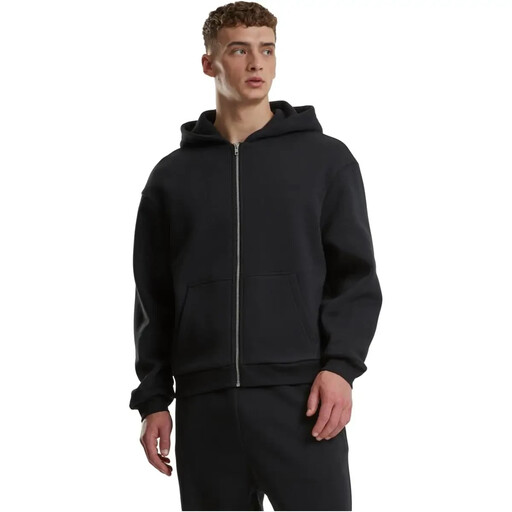
Why it suits this profile: A practical, warm hoodie for relaxing at home, shopping, travelling and everyday use. The full zip makes it easy to combine with other layers.
The product information mentions a brushed inner side, a drawstring hood and a full zip. This makes it clear which practical details you get, rather than relying on a general claim about warmth.
70% cotton and 30% polyester; fabric weight of 330 g/m²; several sizes available according to the stated size guide.

Why it suits this profile: For anyone looking for a women’s fleece jacket with a separate lining and protection against changeable weather while travelling, walking or commuting.
According to the product description, the jacket is designed as a 3-in-1 model: outer layer, lining or both together. Check the stated temperature indications and choose a size that leaves room for layers.
3-in-1 wearing options; adjustable hood, hem and cuffs; manufacturer states a hydrostatic head rating of 35.900 mm H₂O.
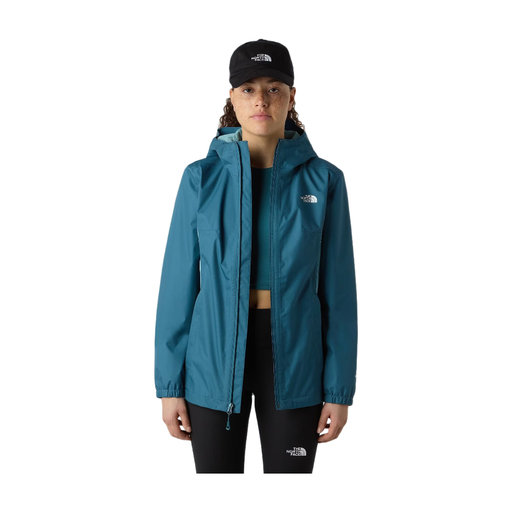
Why it suits this profile: A technical women’s jacket for walking and other outdoor activities where wind, rain and layering are important considerations.
The description mentions DryVent, an adjustable hood, elasticated cuffs and a zip-in system. This allows you to check whether the jacket is suitable for your layering system.
100% polyester outer fabric; zipped side pockets; suitable for wearing alone or combining with compatible Triclimate products.
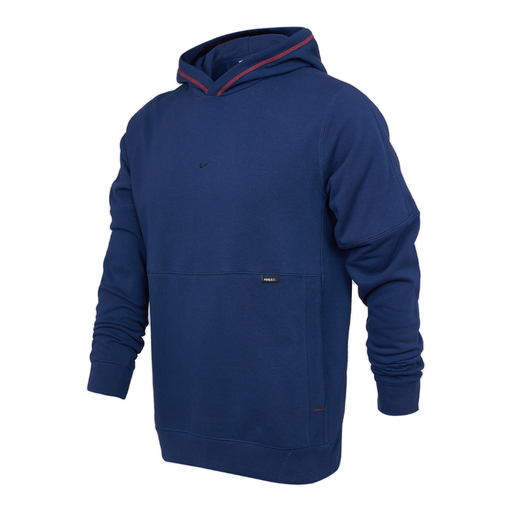
Why it suits this profile: A relaxed fleece hoodie for casual outfits, light training and days when a comfortable layer is all you need.
The description mentions a relaxed fit, adjustable hood and ribbed trims. This makes the hoodie suitable as a layer for everyday use, but not as a rain jacket.
Cotton-polyester blend; relaxed fit for layering; ribbed cuffs and hem; minimum two-year statutory guarantee according to the product information.
We have put together a complete, up-to-date list of products that fully meet these strict selection criteria and the applicable European safety regulations.
An ordinary fleece jacket is primarily an insulating layer and offers limited protection against precipitation. For rain, you need a separate outer layer, such as a waterproof outdoor jacket. With technical models, check whether waterproofing, seams and breathability are clearly specified.
That depends on the fabric weight, lining, fit and the layer underneath. A hoodie weighing 330 g/m² may feel more substantial than a lightweight model, but it is not automatically suitable for freezing temperatures or strong winds. In colder conditions, wear several layers and add a windproof or waterproof layer.
Wash fleece clothing according to the care label, usually at a low temperature and with similar colours. Fasten zips, do not use bleach when this is advised against and avoid high drying temperatures. If the manufacturer recommends it, technical jackets should preferably be air-dried.
