
Vandaag of morgen in huis

Kwaliteit gegarandeerd

Welkomstaanbiedingen ontgrendelen: GRATIS bezorging | Tot 80% korting | Gratis 30 dagen JoyPlus-proefperiode
Download de app
A fleece hoodie might seem straightforward at first: soft fabric, a hood and a comfortable fit. But there are clear differences between styles. A hoodie can lose its shape after a few washes, feel too warm when you’re active or simply not provide enough insulation on cold days. A good product photo also tells you little about the fabric thickness, sizing or care requirements.
So look out for these common pitfalls:
Start by checking the material composition. A cotton hoodie usually feels soft and comfortable. Polyester can help it keep its shape and reduce drying time. Many styles combine both fibres.
One specific example is the Urban Classics Fluffy range, made from 70% cotton and 30% polyester. The zip-up style also has a stated fabric weight of 330 g/m². This gives you a better idea of its thickness than a vague term such as “extra warm”. The Urban Classics Ultra Heavy Hoody is listed as 100% cotton and 460 g/m². It’s a heavier option if you’re looking for a thick, oversized hoodie.
Bear in mind that a higher fabric weight doesn’t automatically make a style more suitable for every situation. For cycling, walking or light training, a mid-weight sports hoodie may be more comfortable to move around in.
First, decide how you want to wear your hoodie:
An adjustable hood, ribbed cuffs and an elasticated hem help you adjust the fit. A kangaroo pocket gives you space for small essentials and keeps your hands warm. If you want to get changed quickly or let in some air, choose a zip-up hoodie.
For commuting and leisure, a sturdy zip, roomy pockets and a drawstring hood are useful. For light training, freedom of movement, ribbed trims and a fabric that isn’t too heavy matter more. For streetwear, the colour, logo and oversized cut could be the deciding factors.
Check the care instructions too. Several styles in this guide recommend washing at a maximum of 30 °C. Tumble drying isn’t recommended for some garments. Avoiding bleach and ironing carefully can help preserve the colour, print and shape for longer.
The options below are based on the stated material composition, fit, fastening, pockets and care information. Brand claims about comfort or warmth are not presented as independently verified; the features listed come from the product descriptions.
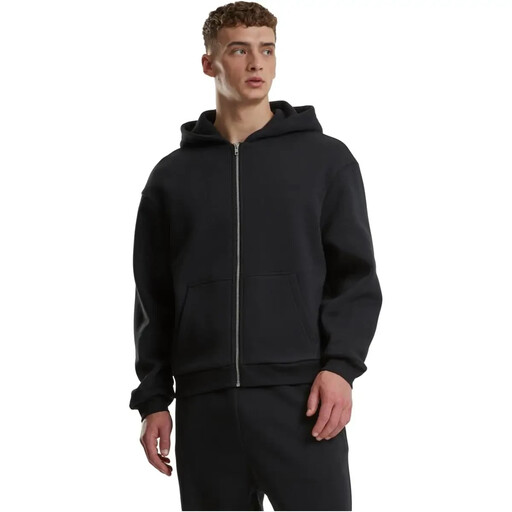
Why it suits this profile: The full-length zip makes this hoodie easy to put on and take off. The blend of 70% cotton and 30% polyester makes it suitable for everyday wear, at home or on the go.
The product information specifies the fabric blend, regular fit, brushed inner surface and 330 g/m² fabric weight. This makes it easier to compare with other styles than a vague claim about warmth.
70/30 cotton-polyester blend; full-length zip; drawstring hood; available in several sizes.
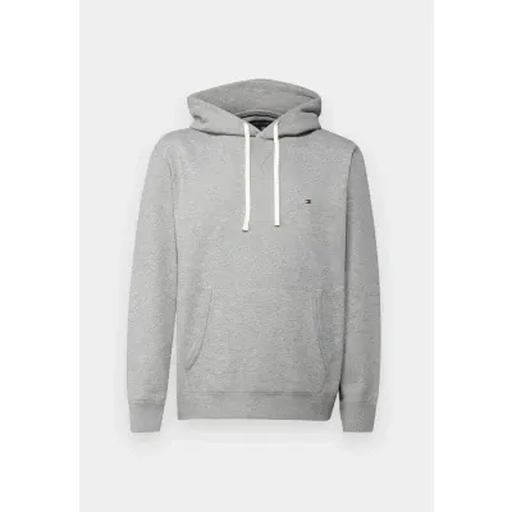
Why it suits this profile: This hoodie combines a classic look with an adjustable hood, kangaroo pocket and ribbed trims. It works well with casual outfits, for light training and as a layer under a jacket.
The product information describes specific features rather than relying on a style claim alone: an adjustable drawstring, kangaroo pocket, and ribbed cuffs and hem.
Soft fleece, according to the product description; classic fit; adjustable hood; kangaroo pocket for your hands and small essentials.
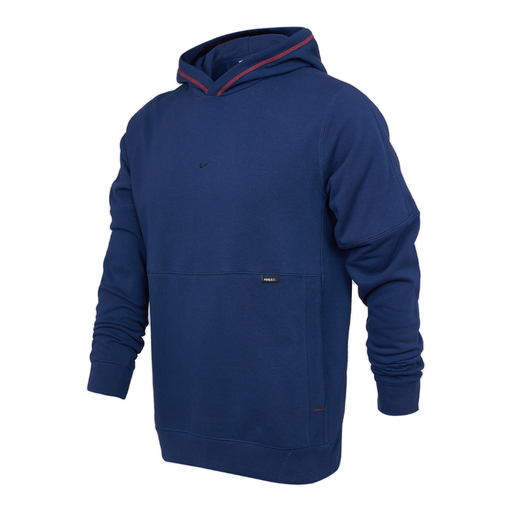
Why it suits this profile: The loose fit, adjustable hood and room to move make it a good choice for light training, travel and everyday sporty wear.
The loose fit leaves room for layers and movement, so the hoodie is less likely to feel restrictive. Ribbed cuffs and hem help keep it in place.
Cotton-polyester fleece, according to the product information; loose fit; adjustable hood; subtle Nike FC logo.
We’ve put together a complete, up-to-date list of products that meet these strict selection criteria and comply with current European safety regulations.
Wash your fleece hoodie inside out and always follow the care label on the garment. Wash it with similar colours and avoid bleach if the instructions advise against it. Air-dry your hoodie if the product information recommends this. A low temperature reduces the risk of shrinkage or distortion, but can’t guarantee against it; fibres, construction and finishes vary between styles.
After washing, check the hood, cuffs and zip. Fastening the zip before washing can help prevent it catching on other clothes. Fold heavier hoodies for storage if the fabric could stretch under its own weight.
It depends on the thickness, the wind and how you layer it. A fleece hoodie adds an extra layer in cool weather, but it isn’t automatically windproof or waterproof. Wear a suitable jacket over it in the rain or strong winds.
It depends on how the garment is made. A cotton hoodie can be thick, while a fleece hoodie may have a brushed or lined interior. So compare the fabric weight, lining and material composition rather than relying on the word “fleece” alone.
Follow the care label, wash at the recommended temperature and don’t use a higher drying temperature than advised. If you’re unsure, air-dry the garment. Also check the size chart before you buy, especially if you’re choosing an oversized hoodie or a style with international sizing.
