
Vandaag of morgen in huis

Kwaliteit gegarandeerd

Welkomstaanbiedingen ontgrendelen: GRATIS bezorging | Tot 80% korting | Gratis 30 dagen JoyPlus-proefperiode
Download de app
A fleece hoodie might seem easy to choose at first. But styles can vary considerably in their fabric, fit, warmth and care requirements. A thick hoodie isn’t automatically warmer, and a soft lining doesn’t always mean it will last.
When shopping online, you’re most likely to come across these three pitfalls:
A cotton hoodie often feels soft and comfortable to wear. Polyester can help it keep its shape and make it easier to care for. Many styles combine both fibres, so look beyond the name and check the exact composition.
A fleece-lined hoodie can provide extra warmth if the inside is brushed or lined. In other styles, such as a heavyweight cotton hoodie, the warmer feel comes mainly from the thickness of the fabric. A specification such as 330 g/m² tells you that the fabric is heavier than that of a lightweight sweatshirt. For example, the Urban Classics Ultra Heavy Hoody is listed as 460 g/m² and 100% cotton. That’s a useful specification if you’re looking for a sturdy, heavyweight layer.
Think about your everyday activities before you buy:
A zip-up hoodie is handy when you want to adjust your temperature quickly. A pullover with a kangaroo pocket keeps the front looking simple and gives you somewhere to put your hands.
An adjustable drawstring hood is easier to tailor to windy or cold conditions. Ribbed cuffs and a ribbed hem help keep the fit in place. Check that the pockets suit your needs too: a kangaroo pocket is handy for cold hands, while the side pockets on a zip-up hoodie are easier to reach.
Pay attention to the care instructions as well. A style that needs to be washed at 30 °C and can’t be tumble dried requires more care than a sweatshirt with less restrictive instructions. Always follow the label on the specific garment.
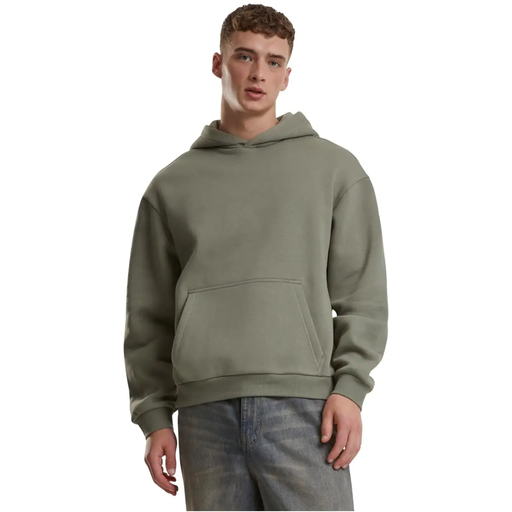
Why it suits this profile: The relaxed fit and 330 g/m² fabric make this a practical casual hoodie for home, days out and everyday wear.
The product information clearly specifies a cotton-polyester blend, relaxed fit and ribbed cuffs. So you don’t have to rely on a vague claim such as “warm”.
70% cotton and 30% polyester; 330 g/m²; sizes from XXXS to 4XL according to the listed size chart.
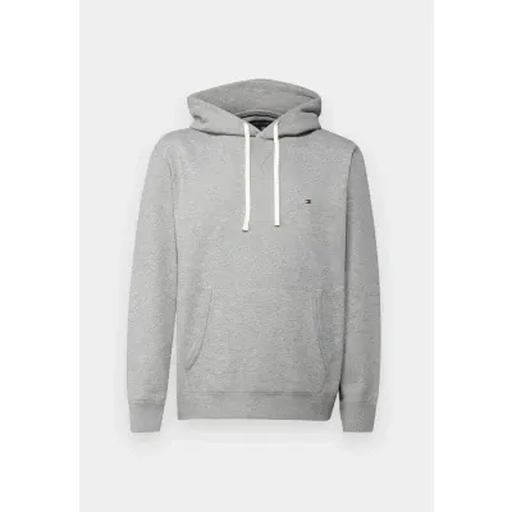
Why it suits this profile: This style combines a classic look with practical details for everyday wear, including an adjustable hood and a kangaroo pocket.
The description lists the hood, pocket, ribbed cuffs and cotton-polyester blend separately. Before buying, check the size information and care label.
Soft fleece-like fabric; adjustable hood; ribbed cuffs and hem; suitable for casual wear, workouts or layering.
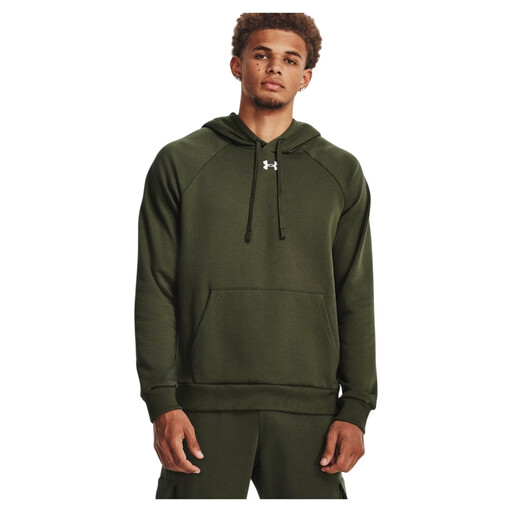
Why it suits this profile: The brushed inside, adjustable hood and ribbed cuffs make this a good choice for layering, training and active everyday wear.
The product details specify 80% cotton and 20% polyester, along with clear care instructions. That makes it easier to assess than general claims about warmth.
Brushed inside; kangaroo pocket; adjustable hood; according to the product information, wash on a cold cycle and tumble dry on a low heat.
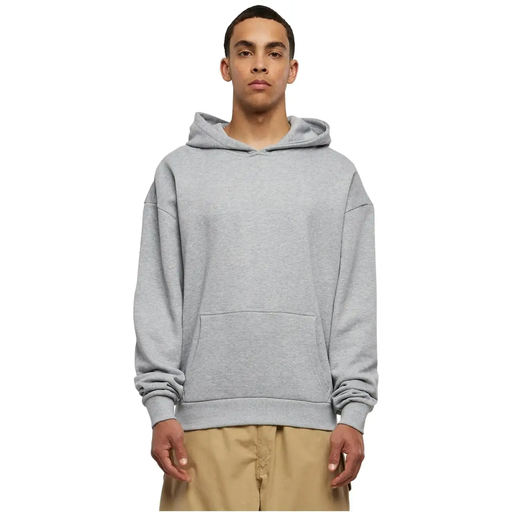
Why it suits this profile: The oversized design, dropped shoulders and extra-long sleeves create a roomy streetwear look and make layering comfortable.
The fit and fabric weight are clearly stated. This helps you account for how much room it will take up under a coat and the heavier feel of a heavyweight hoodie.
100% cotton; 460 g/m²; kangaroo pocket; oversized fit with dropped shoulders and extra-long sleeves.
We’ve put together a complete, up-to-date list of products that meet these strict selection criteria and the applicable European safety requirements.
It depends on how it’s made. A fleece lining or brushed inside can feel warmer. A heavyweight cotton hoodie can also provide plenty of warmth because of its thicker fabric. Compare the fibre composition, any lining and the fabric weight.
Always follow the label on your hoodie. Many styles should be washed at a maximum of 30 °C, not bleached, and dried on a low heat or air dried. Wash with similar colours and avoid tumble drying if the label says so. This helps reduce shrinkage, colour loss and wear.
Start by checking the size chart and comparing the chest and shoulder measurements with a hoodie you find comfortable. If a style is already designed to be oversized, you don’t necessarily need to size up. Going up a size could make the sleeves and body unnecessarily long.
