
Vandaag of morgen in huis

Kwaliteit gegarandeerd

Welkomstaanbiedingen ontgrendelen: GRATIS bezorging | Tot 80% korting | Gratis 30 dagen JoyPlus-proefperiode
Download de app
A fleece hoodie may seem simple at first glance: soft fabric, a hood and a spacious pocket. However, small differences in the material, fit and finish can determine whether you wear your hoodie regularly or leave it at the back of the wardrobe after a few washes. Especially in the Netherlands, where clothing is often needed as an extra layer, it is worth looking beyond colour and brand name.
The most common pitfalls are:
A fleece-lined hoodie usually feels soft and lightly brushed on the inside. This can provide a comfortable feel in cold weather, but the precise level of warmth also depends on the thickness, construction and fit.
Many styles use a cotton-polyester blend. Cotton feels natural, while polyester can help the garment retain its shape and make it easier to care for. A blend of 70% cotton and 30% polyester, for example, is used in various Urban Classics models. The Urban Classics Fluffy Hoody is also listed with a fabric weight of 330 g/m². A higher fabric weight generally means a heavier hoodie, but it does not guarantee that the garment will be warm enough for every situation.
A 100% cotton style can offer a different wearing experience. The Urban Classics Ultra Heavy Hoody, for example, is listed at 460 g/m² and has an oversized fit. This makes it appealing if you are looking for a heavyweight streetwear look, but less practical if you want a thin layer to wear under a coat.
Do not focus solely on the letter size. A men’s hoodie, women’s hoodie or unisex style can fit differently from one brand to another. Therefore, check:
An oversized hoodie often has extra-long sleeves and a lower-set shoulder. This works well with casual outfits and streetwear. For cycling, walking or light training, a regular or loose fit may be more practical. A tight hem can also become uncomfortable when you are wearing several layers.
An adjustable hood is useful when you want to customise the fit. A hoodie with a hood can provide extra coverage in windy weather, but also pay attention to the hood’s thickness and shape. A heavy hood can pull at the back of your neck.
A hoodie with a kangaroo pocket has one large pocket at the front. This is handy for keeping your hands warm and storing small items. A style with a zip fastening, such as a fluffy zip hoodie, is easier to put on and take off. Side pockets can also be more practical when you want to keep both hands free.

Why it suits this profile: This style combines a cotton-polyester blend with a lined interior, hood and kangaroo pocket for everyday wear.
The product information clearly states a composition of 60% cotton and 40% polyester, together with a thick fleece lining.
Adjustable hood, elasticated hems and a spacious kangaroo pocket; wash at a maximum of 30 °C according to the stated instructions.
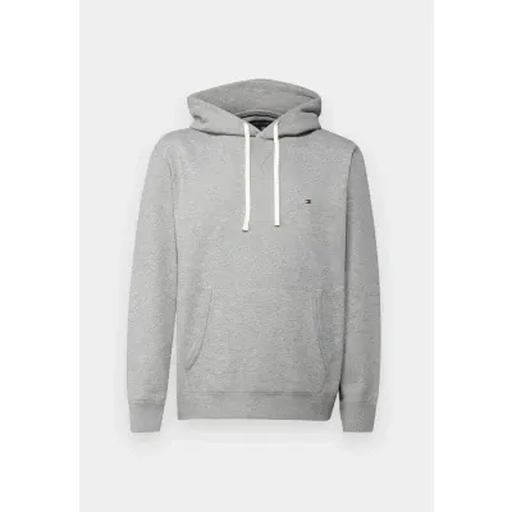
Why it suits this profile: Ideal if you are looking for a recognisable casual style with a classic hood and a design that can also be worn as an extra layer.
The description lists the relevant features separately: fleece, drawcord, kangaroo pocket and ribbed hems.
Suitable for casual wear, light training or layering; the composition is listed as cotton and polyester.
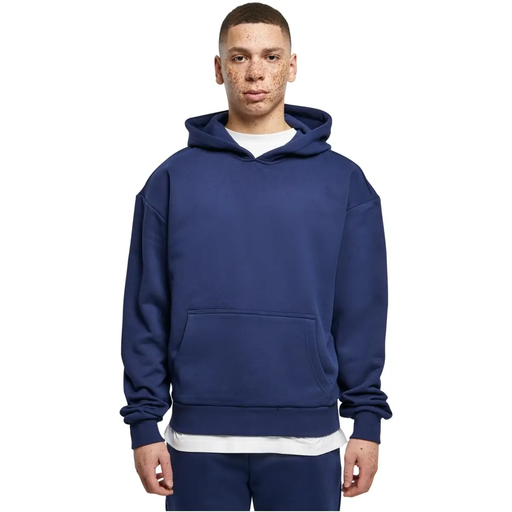
Why it suits this profile: The oversized fit, heavyweight fabric and dropped shoulders are well suited to streetwear and everyday wear.
The stated fabric weight of 460 g/m² makes it clear that this is not a thin mid-layer, but a heavyweight style.
100% cotton according to the product information, with a hood and kangaroo pocket; check the size guide because of the oversized cut.
We have put together a complete, up-to-date list of products that fully meet these strict selection criteria and the applicable European safety regulations.
That depends on the lining, fabric weight, fit and the layers you wear underneath. A thick fleece jumper or fleece-lined hoodie can be comfortable for everyday wear, but it does not automatically replace a windproof or waterproof jacket. Check the product details and choose your hoodie according to the situation.
A cotton hoodie can shrink or lose its shape at high temperatures. Follow the care label, often washing at a maximum of 30 °C, and avoid high drying temperatures unless recommended. The U.S. Polo Assn. models in this selection state, among other things, that they should not be bleached, dry-cleaned or tumble-dried.
A pullover usually has a continuous front with no fastening and works well with a simple casual outfit. A zipped hoodie is easier to put on and take off and gives you more control over ventilation. A zip hoodie is therefore practical for layering and changeable weather, while a pullover may be the more natural choice for a clean, classic look.
Wash the hoodie inside out with similar colours, use a mild detergent and follow the temperature shown on the care label. Avoid bleach unless permitted and do not iron prints directly. Hems and hoods generally retain their shape better when you avoid drying the garment at too high a temperature.
