
Vandaag of morgen in huis

Kwaliteit gegarandeerd

Welkomstaanbiedingen ontgrendelen: GRATIS bezorging | Tot 80% korting | Gratis 30 dagen JoyPlus-proefperiode
Download de app
A fleece hoodie may seem like a straightforward purchase at first glance. However, there are clear differences in warmth, material, fit and care. A soft inside does not automatically mean that a hoodie is suitable for cold weather. A relaxed fit may be comfortable at home, but less practical when cycling or doing light exercise.
That is why you should pay attention to the product specifications rather than just the brand name, colour or marketing copy. Below, you will find the key points to consider, along with some popular choices for everyday use in the Netherlands.
Some product titles mention fleece, even though the composition or weight is not clearly stated. Always check the material percentage. A cotton-polyester blend can feel soft, while polyester may help the garment retain its shape, but the ratio varies from one model to another.
A cotton hoodie often feels familiar and comfortable, while a polyester blend may be less likely to lose its shape. Also check whether the inside is brushed or lined. This tells you more about how the hoodie feels to wear than the word “warm” in a product description.
A loose fit, relaxed fit and oversized hoodie do not fit in the same way. A roomy cut leaves space for a T-shirt or thin jumper, but may provide less protection around the wrists and waist in windy weather. A closer-fitting hoodie with ribbed cuffs keeps the shape more compact.
Compare the size chart with a hoodie you already find comfortable. Pay particular attention to chest width, sleeve length and how much room you want. This is especially important when you are looking for a men’s hoodie, women’s hoodie or a size from XL to 3XL.
A hoodie with a hood protects your head and neck from draughts, but a heavy hood can be less comfortable during exercise. A zip-up hoodie is easy to put on and take off and works well for layering. A pullover with a kangaroo pocket often feels simpler and provides a warm place for your hands.
Also check the cuffs, waistband, drawstrings and pockets. These small details determine whether a casual hoodie is also comfortable for commuting, going for a walk or relaxing at home.
Look out for these points in the product information:
A heavier fabric generally feels more substantial, but it is not automatically suitable for intense training. For example, the Urban Classics models in this selection state 330 g/m², while other products mainly mention a fleece lining or soft fleece fabric.
Choose a relaxed fit or loose fit if you want room for layers or a laid-back streetwear look. A regular fit is generally easier to wear under a jacket. For light exercise, ribbed cuffs and a ribbed hem are useful because they help keep the sleeves from riding up.
For a women’s model, also check whether the size chart uses EU sizes. The Urban Classics Ladies models, for example, list sizes from XXS to XXXL. Some men’s models are available in 2XL and 3XL, but the exact measurements may vary by brand.
Wash a fleece sweatshirt according to the care label. The product information for several U.S. Polo Assn. models states maximum 30 °C, do not bleach, do not tumble dry and iron at a low temperature. Urban Classics states that various models should be washed cold and dried at a low temperature or on the line.
A common mistake is washing at too high a temperature or using a hot tumble dryer. This can affect the colour, shape and softness. Turn a hoodie inside out if it has a logo or print, and fasten the zip before washing.

Why it suits this profile: The combination of a hood, kangaroo pocket and 60% cotton with 40% polyester makes it suitable for everyday wear and relaxing moments.
The product description clearly states the material composition and care instructions, so you do not have to rely on the term fleece alone.
Fleece lining, adjustable hood, kangaroo pocket and sizes such as M. Check the current stock and size chart on the product page.
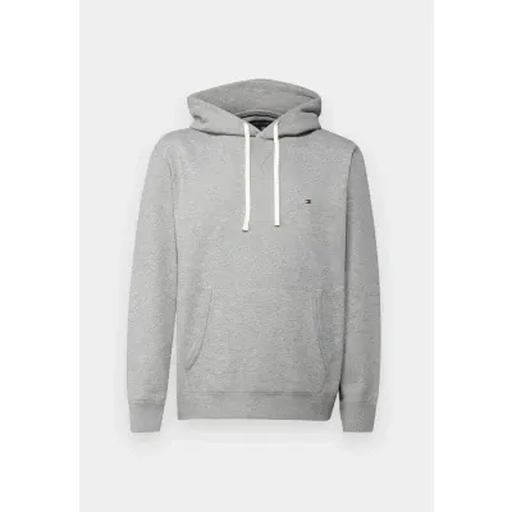
Why it suits this profile: This model focuses on a classic men’s style with a hood, adjustable drawstring and neutral grey colour.
The product information highlights specific details such as ribbed cuffs, a ribbed hem and a kangaroo pocket, rather than making only general comfort claims.
Size XXXL, fleece fabric according to the product description, adjustable hood and a front pocket.
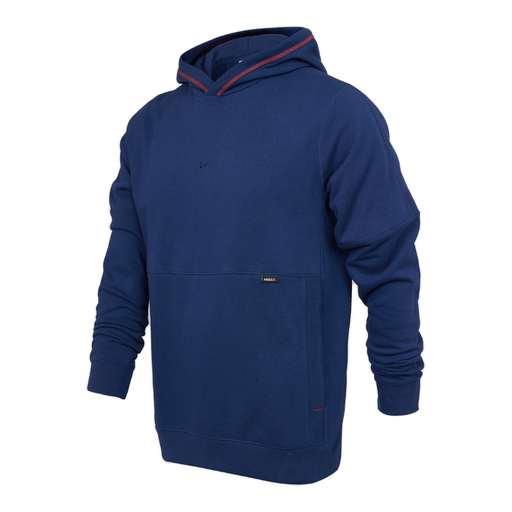
Why it suits this profile: According to the product description, the loose fit is suitable for layering, casual wear and light exercise. The deep navy colour is easy to pair with sporty outfits.
The description states the loose fit, adjustable hood and ribbed cuffs and hem. This makes it easier to judge in advance whether the model is suitable for movement and layering.
Soft fleece fabric, loose fit, adjustable hood and ribbed cuffs and hem. Also available in other sizes within the same model range.
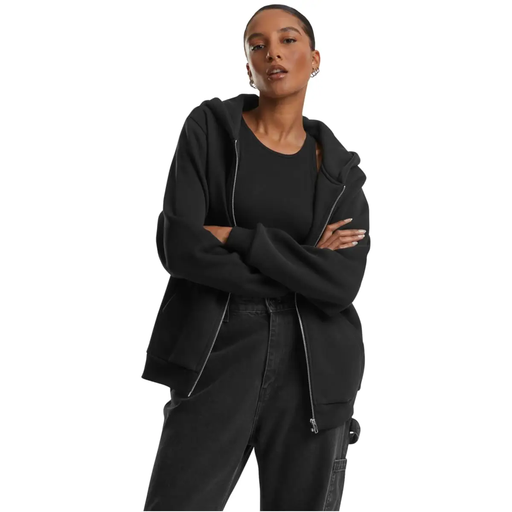
Why it suits this profile: This black women’s model has a relaxed fit and full-length zip. That makes it practical for commuting, wearing at home and streetwear looks.
The size chart runs from XXS to XXXL, and the 70% cotton and 30% polyester blend is stated. This allows you to compare the size and fabric more accurately.
Full-length zip, hood, ribbed cuffs and a soft cotton blend. The black colour is easy to style.
We have put together a complete, up-to-date list of products that fully meet these strict selection criteria and the applicable European safety regulations.
That depends on the lining, fabric thickness, fit and weather conditions. A model with a thick fleece lining or a weight of 330 g/m² may feel warmer than a lightweight fleece hoodie. In rain or strong winds, you will still need a separate jacket, as a hoodie is generally not designed to be a waterproof outer layer.
A fleece sweatshirt often has a crew neck and no hood. A hoodie has a hooded design and usually a kangaroo pocket or drawstring. Choose a sweatshirt if you want a smooth layer under a jacket; choose a hoodie when extra coverage around your head and neck is useful.
Follow the care label, preferably wash at a low temperature and do not use bleach. Air-dry the hoodie if this is recommended in the product information. Also avoid washing it for long periods with rough items such as towels with zips or hard hook-and-loop fasteners.
