
Vandaag of morgen in huis

Kwaliteit gegarandeerd

Welkomstaanbiedingen ontgrendelen: GRATIS bezorging | Tot 80% korting | Gratis 30 dagen JoyPlus-proefperiode
Download de app
Flavoured water is a popular alternative to regular soft drinks. You’ll find varieties with strawberry, raspberry and blueberry, with or without fizz, in small bottles or large family packs. But a fruity label doesn’t always tell you everything about what’s inside.
If you only look at the flavour name or the word “vitamin”, you might be in for a surprise. So keep an eye out for these three pitfalls:
Compare the nutritional values per 100 ml. This makes it easy to compare products in different pack sizes. A drink may have few calories per bottle, but in a larger format it could still add up.
If you want to cut down on sugar, look for varieties with 0 grams of sugar or fewer than 1 kcal per 100 ml. In that case, also check the ingredients list. Sugar-free water can still contain sweeteners. If you prefer a more classic soft-drink taste, you can choose a product with sugar, such as some fruit waters or fruit-flavoured waters.
Also watch out for terms like “vitamin water”. Sourcy Vitamin Water, for example, lists vitamins, zinc and hibiscus extract on the label. The nutritional values and composition can vary by size, so check the product page and packaging before you order.
Sparkling fruit water contains carbon dioxide and gives a fresher, livelier drinking experience. It works well with a meal or at social occasions. Still flavoured water is often more practical on the go, at the office or when you want a milder drink.
Note the difference between:
Once opened, the fizz gradually fades. Keep an opened bottle chilled and close the lid tightly. Always check the best-before information on the packaging.
A strawberry water product may mainly contain natural strawberry flavouring and only a small percentage of fruit juice. Crystal Clear Raspberry Blueberry, for example, lists 0.1% raspberry juice and 0.1% blueberry juice from concentrate, alongside natural flavourings.
That’s not necessarily a problem, but it helps to set the right taste expectations. If you want a more pronounced fruit flavour, compare the juice percentage, the flavourings and any sweeteners.
Also check the allergen information. Most of the fruit waters we’ve selected don’t contain any of the 14 major EU allergens, but that’s not true for every type of drink. LOTTE Milkis Strawberry Soda, for example, contains milk ingredients and soya. Alcoholic drinks, such as hard lemonade, shouldn’t be in the same category when you’re looking for a non-alcoholic thirst-quencher.
The selection below is based on verifiable product information such as content, nutritional values, ingredients and carbonation level. Taste is still a personal thing.
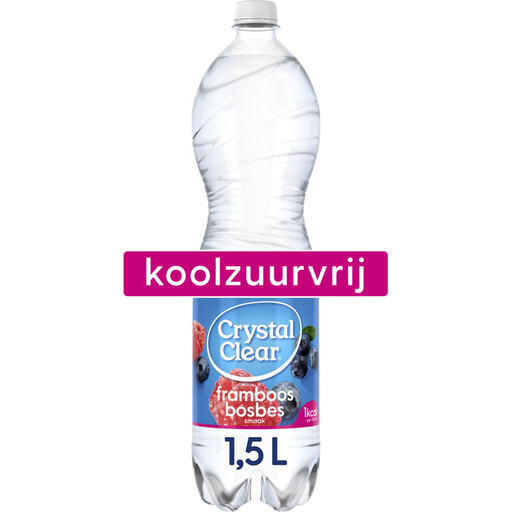
Why this fits the profile: A 1.5-litre bottle is practical at home, during a workday or with a small group. The raspberry and blueberry flavour offers variety without the fizz.
The product information states fewer than 1 kcal per 100 ml and no sugar. At the same time, the ingredients list shows that sweeteners are used.
1.5-litre bottle, still and fewer than 1 kcal per 100 ml.
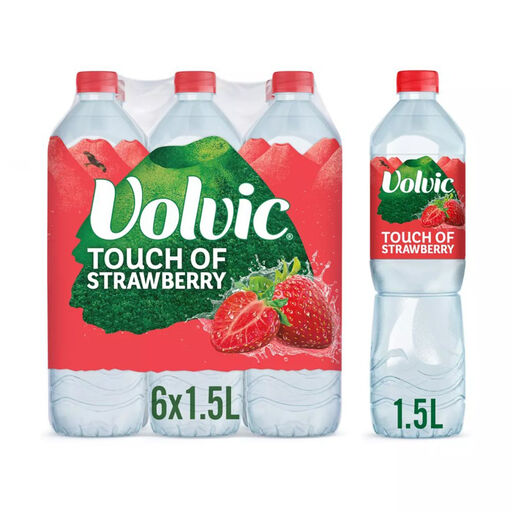
Why this fits the profile: This multipack is ideal for households that regularly drink strawberry water and want to stock up for home.
The nutritional information states 1 kcal and 0 grams of sugar per 100 ml. The ingredients do list acesulfame-K and sucralose.
Six 1.5-litre bottles, a natural mineral water base and a light strawberry flavour.
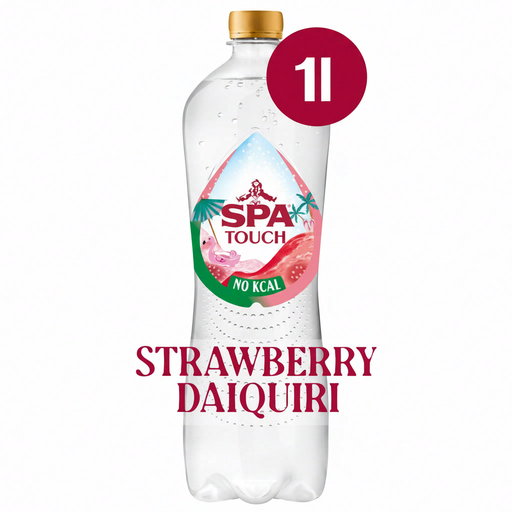
Why this fits the profile: The combination of fizz and strawberry cocktail flavour works well for dinner parties, guests or as a non-alcoholic festive drink.
The product specification states 0 kcal, 0 grams of sugar and no sweeteners. This makes it clear that the sweet impression comes mainly from the flavouring.
Carbonated, in a 1-litre bottle and, according to the product information, free from calories, sugar and sweeteners.
We’ve put together a full, up-to-date list of products that fully meet these strict selection criteria and comply with current European safety regulations.
No. Some varieties contain 0 grams of sugar and sweeteners, while other fruit drinks contain sugar. Always check the nutritional values per 100 ml and the ingredients list.
Fruit water is usually based on water with flavouring, fruit juice or both. Low-calorie soft drinks may contain similar sweeteners, but often have a stronger soft-drink taste and more fizz. The exact composition varies by brand and product.
Keep an opened bottle in the fridge, close the lid tightly and follow the best-before or use-by information on the packaging. With sparkling fruit water, the fizz may gradually fade after opening. Also check that the seal was intact before use.
