
Late-night flavour seekers
You choose based on what you fancy at the time: classic paprika or a bolder sweet-and-spicy flavour. Think about whether you’d prefer regular, thicker or ridged crisps, too.


For a late-night snack, start by choosing the flavour and texture you fancy: classic paprika, a ridged crisp or a bold sweet-and-spicy option. Then compare the nutritional information per 100 g and check the latest ingredients and allergen information. Different flavours or cooking methods can also mean different ingredients.
You choose based on what you fancy at the time: classic paprika or a bolder sweet-and-spicy flavour. Think about whether you’d prefer regular, thicker or ridged crisps, too.
You want to compare the salt and fat content of different crisps before choosing a bag. The Netherlands Nutrition Centre recommends using the nutritional information per 100 g, so different portion sizes don’t skew the comparison.
If you need to avoid milk, soya, wheat or sulphites, the exact flavour matters. Check the latest packaging: the paprika, chilli and shaped snacks reviewed here don’t all contain the same allergens.
Start with the flavour and crunch you want from your evening snack. Then use the label to compare similar varieties and check whether the ingredients suit you.
| What to consider | What to check before buying | Who it matters to |
|---|---|---|
| Flavour profile | Read the flavour description and ingredients list; don’t judge how spicy it is by the name on the front alone. | When I have crisps late at night, I want to choose between classic paprika and a bold sweet-and-spicy flavour. This flavour preference is the deciding factor for around 33% of consumers. |
| Salt and fat | Compare salt, fat and energy per 100 g in the nutrition table, even if the packaging highlights one particular feature. | I want to choose a flavour without being misled by different bag sizes or portion suggestions. Nutritional values matter most to around 25% of consumers. |
| Crunch and shape | Check whether they’re regular or ridged crisps, a thicker-cut variety or a shaped snack such as sticks. | For my snack, it matters whether I want a sturdy ridged crisp or a different snack shape. Texture comes first for around 25% of consumers. |
| Ingredients and allergens | Read the latest ingredients list, highlighted allergens and any relevant information about possible traces. | If I need to avoid an ingredient, the exact variety can determine my choice, whatever the flavour. Checking the ingredients is the top priority for around 17% of consumers. |
Paprika or Sweet Chilli won’t tell you whether a particular variety contains milk, soya or wheat, for example. Shaped snacks may also have a different base from regular potato crisps.
If you have an allergy or dietary restriction, check the latest packaging for the exact variety you want to eat.
A claim about fat or salt doesn’t tell you anything about the other nutritional values or allergens. An oven-baked paprika variety, for example, may still contain milk.
Check the nutritional information per 100 g alongside the ingredients and allergen lists. The Netherlands Nutrition Centre also recommends comparing products per 100 g.
A bag may contain several stated portions. That means the nutritional information per portion may not tell you much about what you’ll consume if you eat more from the bag.
Check the pack size, stated portion size and nutritional information per 100 g to help you work out how much you’ll have as a snack.
If you want to check the ingredients, allergens or nutritional values of Snack Day crisps, the packaging is important. The flavour name on a product page won’t answer those questions.
Read the label in store before choosing a specific Snack Day variety.
Flavour, texture and labelling can vary considerably within the same brand. The examples below can help you decide which product range to explore; always check the details for the variety you choose.
Worth considering if you want to choose between regular paprika, ridged paprika, oven-baked paprika and a bold chilli variety.
An option to consider if you want uniform, shaped crisps in a tube rather than traditional potato crisps.
Worth considering if you’d prefer paprika-flavoured sticks to flat crisps.
An own-label option to consider if you’re looking for a 250 g bag of classic paprika crisps.
An own-label option if you want to compare a 250 g bag of classic paprika crisps with other varieties.
An own-label option if you want to browse different crisp flavours in store, including paprika.
These Joybuy products let you choose between regular paprika crisps, a ridged paprika variety, oven-baked paprika and Thai Sweet Chilli. First decide which flavour and texture you’d like; check the latest packaging separately if nutritional values or allergens will affect your choice.
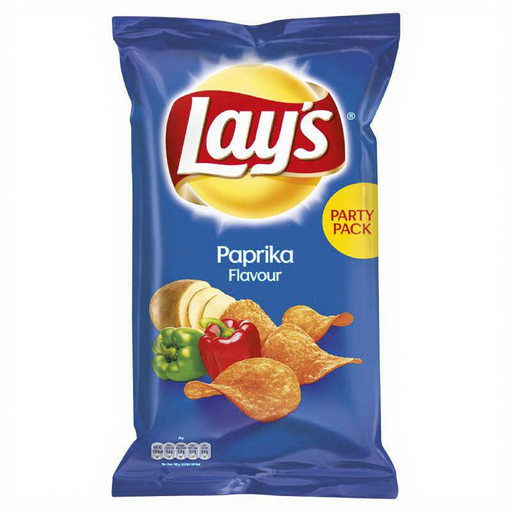 Image unavailable
A familiar paprika flavour for your snack time. This variety comes in a 300 g bag; check the nutritional information per 100 g and decide how much you’d like to have.
If you have an allergy, check the latest ingredients and allergen information on the packaging.
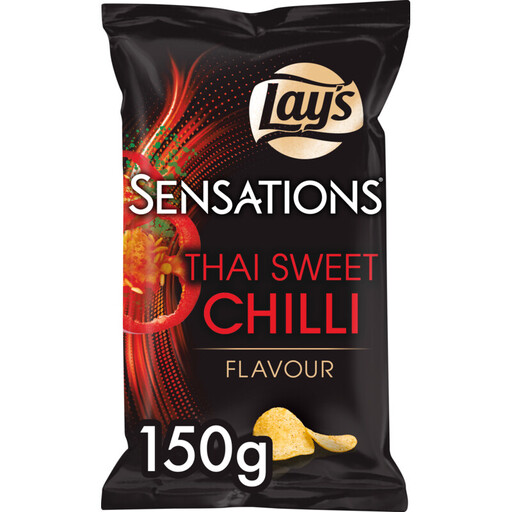 Image unavailable
For anyone who’d rather have a bold chilli flavour than classic paprika. The bag contains 150 g.
If you need to avoid soya or wheat, check the latest allergen information for this variety before eating.
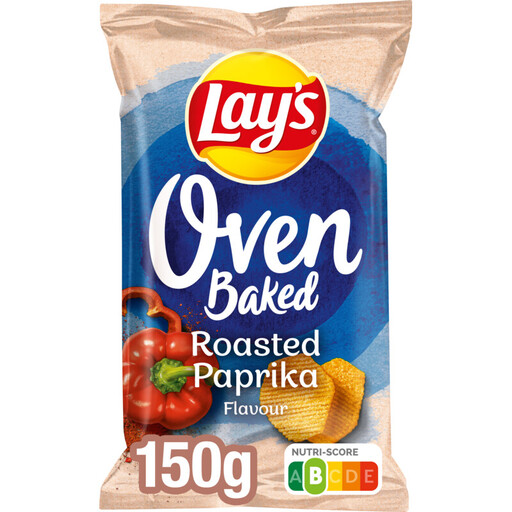 Image unavailable
For anyone who wants to compare paprika crisps with an oven-baked variety. This bag contains 150 g; compare the fat and salt content separately using the nutritional information per 100 g.
If you need to avoid milk, check the latest ingredients and allergen information on the packaging.
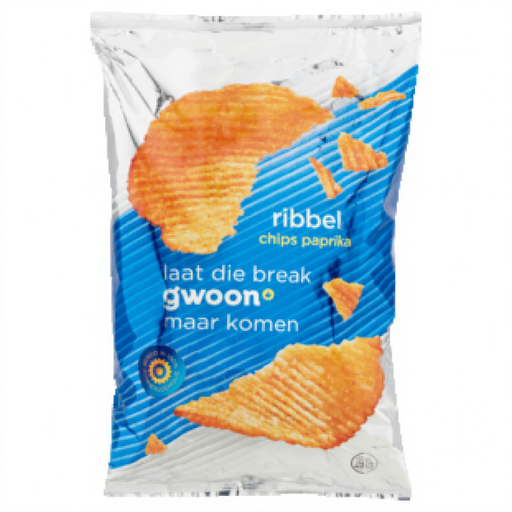 Image unavailable
For anyone who likes paprika flavour with a ridged texture. The bag contains 250 g; compare the nutritional information per 100 g if you’re weighing these up against regular paprika crisps.
Check the latest packaging carefully if you need to avoid milk or lactose.
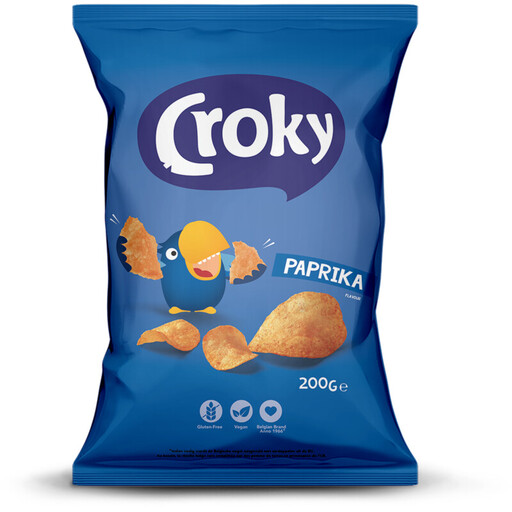 Image unavailable
A paprika variety for anyone looking for a 200 g bag. If you’re choosing based on salt or fat, compare the figures per 100 g with those for the other paprika crisps.
If you have an allergy, always read the latest ingredients and allergen information on the packaging.
Compare salt, fat and energy per 100 g in the nutrition table; this gives you a consistent basis for comparing different bags and stated portion sizes. A claim such as ‘less fat’ doesn’t replace that comparison. The Netherlands Nutrition Centre also recommends comparing products per 100 g.
No, you’ll need the ingredients and allergen information for the exact variety. The crisps and shaped snacks reviewed here include varieties containing milk, soya, wheat and sulphites, but the allergens aren’t the same in every variety. The Netherlands Food and Consumer Product Safety Authority explains how allergens are listed on food labels.
First check the fat content per 100 g of the specific oven-baked crisps you’re considering. Also take salt and allergens into account if they’re important to your choice: for example, the Lay's Oven Baked Roasted Paprika described by Albert Heijn contains milk.
A product page can help you compare flavour, texture and bag size in advance, but check the latest packaging for ingredients and allergens. This is especially important if you have a dietary restriction: product information can change, and for Snack Day you should check the label on the specific bag.