
Vandaag of morgen in huis

Kwaliteit gegarandeerd

Welkomstaanbiedingen ontgrendelen: GRATIS bezorging | Tot 80% korting | Gratis 30 dagen JoyPlus-proefperiode
Download de app
Fizzy drinks come in many varieties, from sparkling water and carbonated water to soft drinks, sparkling lemonade and tonic water. However, eye-catching packaging says little about what you are actually buying. When comparing products online, it is therefore better to look at sugar, volume, ingredients and when you plan to drink them.
A fruity flavour does not automatically mean that a drink is low in sugar. According to the product information, Schweppes Pink Grapefruit contains 4.5 grams of sugar and 20 kcal per 100 ml. Bundaberg Pink Grapefruit lists 11 grams of sugar and 45 kcal per 100 ml. That difference can quickly add up in a large glass or multipack.
If you are looking for a low-calorie soft drink, it is worth comparing the nutritional values per 100 ml. Also pay attention to the difference between “no added sugars” and “sugar-free”. Always check the label, as the composition can vary by flavour.
A 1 or 1.5-litre bottle can be practical at home or for a party, but once opened, the drink must be kept chilled and consumed within the stated period. Small 250 or 330 ml cans are more convenient on the go and usually offer better portion control.
A multipack is not automatically better value. Compare the total volume, number of packs and best-before information. For everyday use, 12 x 330 ml may be suitable; for a family or gathering, 1-litre bottles may make more sense.
Tonic water often contains sugar and has a distinctive flavour. This makes it suitable for a gin and tonic or another cocktail, but not everyone wants to drink it neat. A sparkling fruit drink can be enjoyed as a soft drink, while sparkling water with a subtle fruit flavour can also work as the base for a mixed drink.
So read both the product description and the ingredients list. Brand descriptions of flavour or origin are marketing information. A brand’s own research may describe a particular flavour combination as special, but that is no objective guarantee that everyone will enjoy it.
Always compare values per 100 ml. When looking at a sugar-free soft drink, do not just focus on “0 sugar”; also check which sweeteners are used. For example, Schweppes Agrumes Zero lists 2.3 kcal and 0.3 grams of sugar per 100 ml, with acesulfame K and sucralose as sweeteners.
Crystal Clear Sparkling Lemon Flavoured Water lists 1 kcal and 0 grams of sugar per 100 ml. According to the product information, Spa Touch Sparkling Blackcurrant contains 0 kcal and no sugar, sweeteners or other additives. These options suit shoppers who mainly want to choose their purchase based on nutritional values, without this constituting a health claim.
Pay attention to the format:
For cans and bottles, also check whether the packaging will fit in your fridge and cupboard. A large supply of fizzy drinks takes up more space than the product photo often suggests.
For sparkling water, carbonated water is usually listed first. According to the product information, Charlie’s Sparkling Water Lemon consists of 97% carbonated water and 3% organic lemon juice. The Passionfruit, Raspberry & Lime, Cassis and Orange & Mandarin varieties also contain organic juice according to the listed composition.
As well as sugar, soft drinks and tonic water may contain acids, flavourings, colourings, preservatives and sweeteners. If you need to avoid allergens, check the full label. The products mentioned do not list any of the 14 major EU allergens, but always check the current packaging when your order arrives.
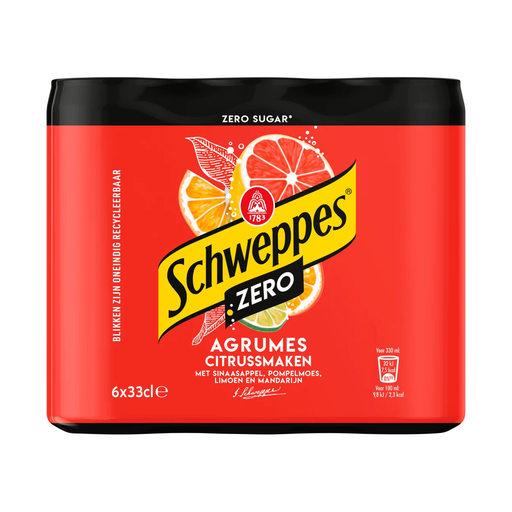
Why it suits this profile: A multipack of small cans is easy to manage if you want to try different fizzy drinks without immediately buying a large supply.
The product information lists 2.3 kcal and 0.3 grams of sugar per 100 ml. This lets you compare the nutritional value in advance rather than relying solely on the word “Zero”.
330 ml per can; citrus profile; acesulfame K and sucralose listed as sweeteners.
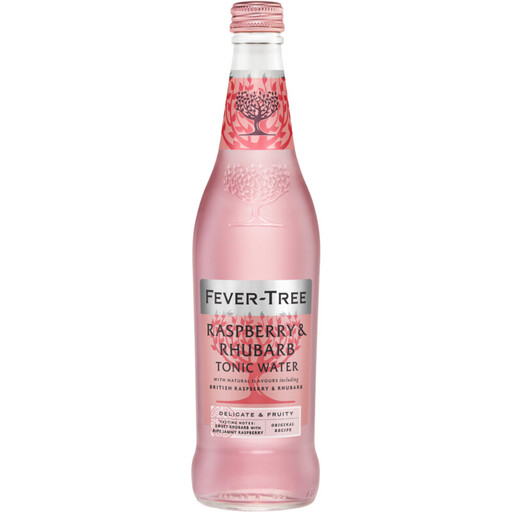
Why it suits this profile: This bottle is designed as a mixer and is ideal for shoppers looking for fizzy drinks for cocktails or a gin and tonic.
Its use as a mixer is clearly described. However, check the sugar content: 7.7 grams of sugar and 31 kcal per 100 ml.
500 ml bottle; raspberry and rhubarb flavour; natural flavourings and quinine listed in the ingredients.
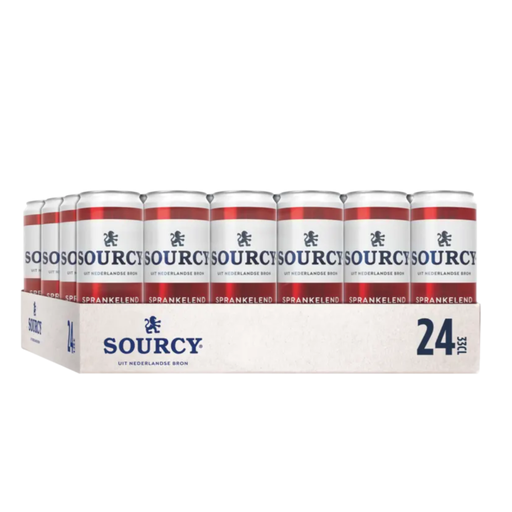
Why it suits this profile: A pack of 24 cans is ideal for offices, events, parties or households where sparkling water is served regularly.
The volume per can is clearly defined, so you do not have to store a large opened bottle. However, check that you have enough storage space beforehand.
24 x 330 ml; natural mineral water with added carbonation; mineral values are listed in the product information.
We have put together a complete, up-to-date list of products that fully meet these strict selection criteria and the applicable European safety regulations.
In practice, both terms are often used for water with added carbonation. Check the ingredients list to determine the difference. Sourcy Red Sparkling Mineral Water lists natural mineral water with added carbonation. Flavoured varieties may also contain fruit juice, flavourings or sweeteners.
Store an opened bottle according to the instructions on the packaging, usually chilled and tightly sealed. The exact period after opening varies by product. A can is generally intended to be consumed immediately after opening, while a large bottle may contain several servings.
Compare the nutritional value per 100 ml. Charlie’s Sparkling Water Lemon lists 1 kcal and 0 grams of sugar, while Charlie’s Raspberry & Lime lists 2 kcal and 0 grams of sugar. Spa Touch Sparkling Blackcurrant lists 0 kcal. Check the current ingredients list and nutrition table for each flavour before buying a soft drink.
