
Vandaag of morgen in huis

Kwaliteit gegarandeerd

Welkomstaanbiedingen ontgrendelen: GRATIS bezorging | Tot 80% korting | Gratis 30 dagen JoyPlus-proefperiode
Download de app
Fizzy drinks come in many forms: from sparkling water and carbonated mineral water to sugar-free soft drinks, tonic water and alcohol-free mocktails. With such a wide range, choosing isn't always straightforward. A striking packet tells you little about the sugar content, calorie count or suitability for everyday use.
Three common pitfalls keep cropping up:
Always compare products based on the nutritional values per 100 ml. This lets you fairly compare a can, bottle and multipack side by side. Look out for these terms:
Some products carry a warning that they contain a source of phenylalanine. This applies, for instance, to certain drinks with aspartame. Always check the current label, especially if you want to avoid particular ingredients.
With plain sparkling water or carbonated water, the base is usually water and carbon dioxide. Carbonated mineral water also contains naturally occurring minerals. This can affect the taste compared with ordinary carbonated water.
Look at the ingredients list:
For everyday drinking, a simple option may be suitable. If you want a mixer for juice, cocktails or mocktails, a neutral or lightly flavoured variety can be more practical.
A 200 ml or 330 ml pack is suitable for an individual portion, for example on the go or with lunch. A 1 to 1.5-litre bottle is better suited to a family, meal or guests. A multipack of cans can be handy if you regularly want a particular soft drink in stock.
Once opened, fizzy drinks should generally be kept refrigerated and used within the period stated on the packaging. Store unopened bottles and cans according to the manufacturer's instructions, away from direct sunlight and excessive heat. Also check that the seal is intact.
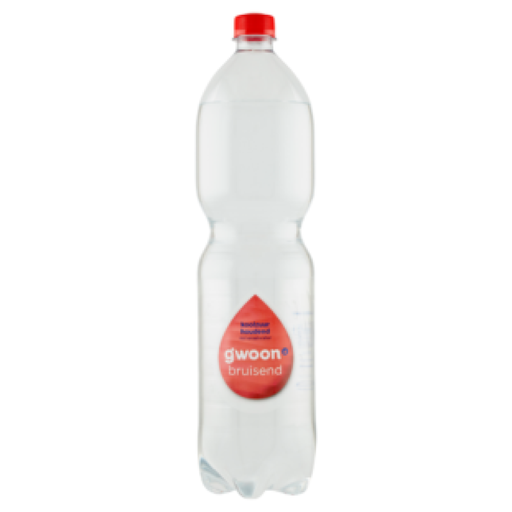
Why this suits the profile: The 1.5-litre bottle is suitable for everyday use, meals and sharing with housemates. According to the product information, the drink contains 0 kcal and 0 grams of sugar per 100 ml.
The ingredients list is limited to spring water and carbon dioxide. No sweeteners, flavourings or added sugars are listed.
1.5-litre capacity; 0 kcal and 0 grams of sugar per 100 ml; usable as a drink or mixer.
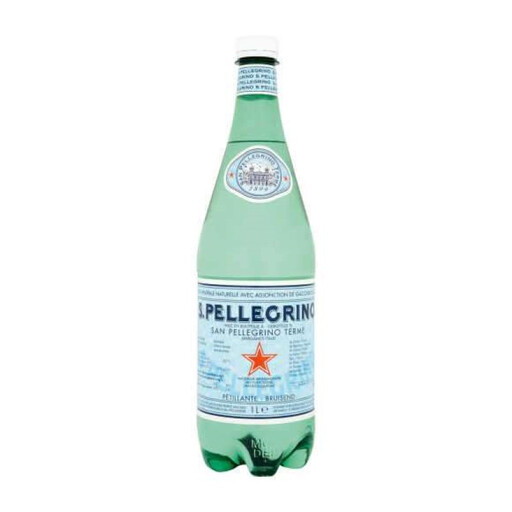
Why this suits the profile: This Italian natural mineral water is designed for serving with meals. The product information lists water and carbon dioxide as ingredients and a capacity of 1 litre.
The choice is based on verifiable data: natural mineral water base, 0 kcal and no sugar according to the stated nutritional values.
1 litre; natural mineral water base; suitable alongside food and wine.

Why this suits the profile: A multipack of 24 cans of 330 ml is ideal for stocking up at home, for guests or an event. According to the product information, this cola contains no sugar and no caffeine.
The product details clearly state the size, the caffeine-free composition and 0 grams of sugar per 100 ml. Do check the label for aspartame and phenylalanine.
24 x 330 ml; caffeine-free; 0.3 kcal per 100 ml according to the product information.
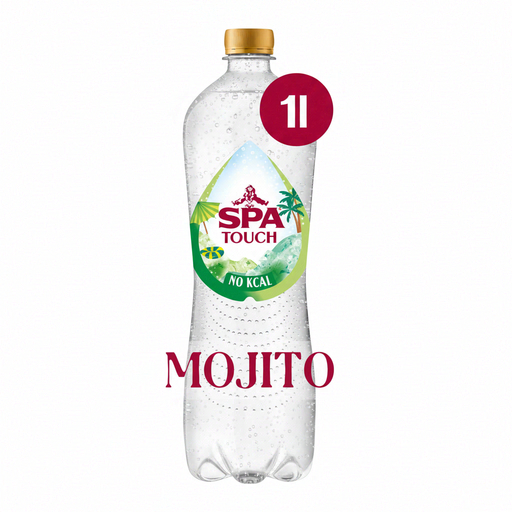
Why this suits the profile: This alcohol-free mocktail with natural flavourings is designed for a celebratory drinking moment without alcohol. The 1-litre bottle is suitable for sharing.
According to the stated product data, the drink contains no sugar, sweeteners or calories. This means you don't automatically have to link a mocktail flavour to a sugary soft drink.
1 litre; alcohol-free; 0 kcal and 0 grams of sugar per 100 ml according to the product information.
We've put together a full, up-to-date list of products that fully meet these strict selection criteria and comply with current European safety regulations.
Not always. Sparkling water is a general term for water that has had carbon dioxide added. Natural mineral water with carbon dioxide comes from a specific source and has its own mineral composition. Check the name and ingredients on the label.
Unsweetened sparkling water typically contains 0 kcal. Some sugar-free soft drinks and flavoured waters are also low in calories. Always compare the nutritional values per 100 ml, because “light”, “zero” and “no added sugar” don't mean the same thing.
This varies by product and packaging. Seal a bottle tightly, keep it refrigerated and follow the instructions on the label. The fizz gradually diminishes after opening. A large bottle is therefore most practical when you'll use it within a few days or share it with several people.
