
Vandaag of morgen in huis

Kwaliteit gegarandeerd

Welkomstaanbiedingen ontgrendelen: GRATIS bezorging | Tot 80% korting | Gratis 30 dagen JoyPlus-proefperiode
Download de app
Online, you’ll find fizzy drinks in many forms: from sparkling water and carbonated mineral water to Japanese Ramune, Turkish soda and soft drinks in bulk packs. With such a wide range, comparing them isn’t always straightforward. A flashy label tells you little about the sugar content, the size or the practical cost per serving.
So pay particular attention to three common pitfalls:
Always compare the nutritional values per 100 ml. That way you can fairly compare a Japanese soft drink, a lemon-lime soda and a flavoured sparkling water.
The differences can be significant. According to the product information, JP Hatakosen Ramune Sakura Soda contains 8.7 grams of sugar per 100 ml. JP Hatakosen Ramune Mochi Fl lists around 10 grams of sugar per 100 ml. In a 200 ml bottle, that works out at roughly 17.4 to 20 grams of sugar per bottle.
A sugar-free soft drink can be an alternative if you want to avoid sugar, but do check which sweeteners have been used. 7UP Zero Sugar Lemon and Lime lists aspartame among its ingredients and states that it contains a source of phenylalanine. It’s always best to read the current packaging, especially if you need to check ingredients or allergens.
For everyday use or for a family, 1.5-litre bottles are practical. g'woon Sparkling Mineral Water comes in a pack of 5 × 1.5 litres, contains 0 grams of sugar and 0 kcal per 100 ml according to the product information, and can also be used as a mixer.
For use on the go, smaller packs are more convenient. Sourcy Red Sparkling Mineral Water is available in 330 ml cans. A can is easy to serve to each person, whereas a glass bottle might be better suited to a dinner table.
With international drinks, the packaging sometimes plays a bigger role. Ramune comes in a so-called codd-neck bottle with a glass marble as a seal. That makes opening it different from a standard PET bottle. Before buying, also check that the bottle is intact, and store unopened drinks in a cool, dry place away from direct sunlight.
A large box might look appealing for parties, offices or catering use, but factor in storage space, weight and shelf life. A box of 24 bottles of 300 ml contains 7.2 litres of drink. That represents a different usage profile from 30 small bottles of 200 ml.
Also bear in mind:
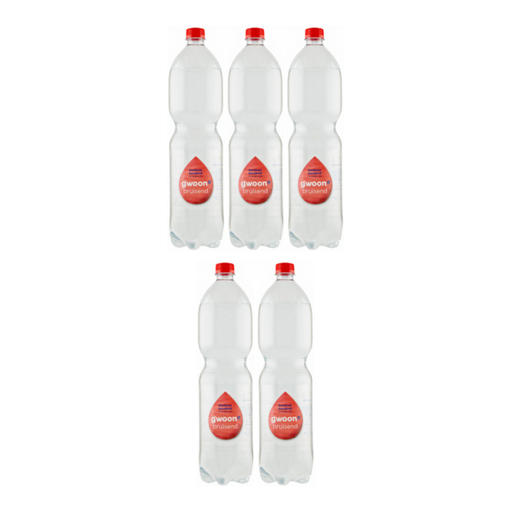
Why this fits the profile: The pack contains five 1.5-litre bottles for mealtimes, daily use or filling glasses for several people.
The volume and nutritional values are clearly stated: according to the product information, the sparkling water contains 0 grams of sugar and 0 kcal per 100 ml.
1.5-litre bottles, 5 per pack and suitable for use as a drink or mixer.
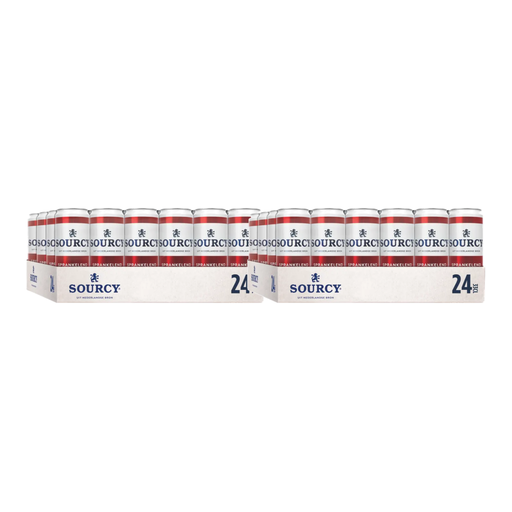
Why this fits the profile: The 330 ml can format is ideal for individual servings at lunch, dinner or a business meeting.
The serving size prevents a large bottle from sitting in the fridge for a long time after opening. The ingredients list states natural mineral water and added carbon dioxide.
24 cans of 330 ml and a stated mineral profile including calcium, magnesium and sodium.
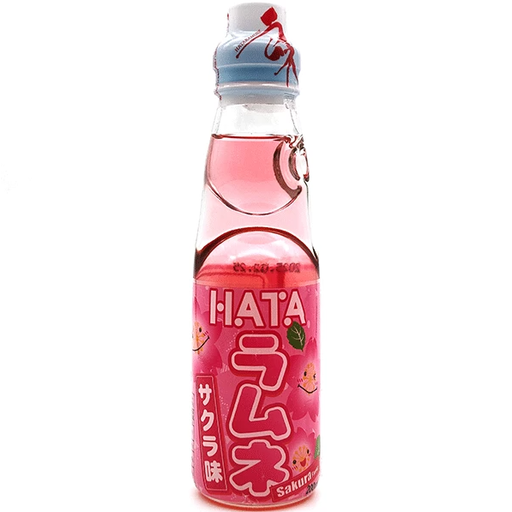
Why this fits the profile: This Japanese Ramune bottle combines a Sakura design with a marble seal and a compact 200 ml size.
The bottle volume is clearly stated, so you won’t mistake a small treat for a family pack. Check that the seal is intact before opening.
Each bottle contains 200 ml; the product is from Japan; and, according to the product information, it contains 35 kcal and 8.7 grams of sugar per 100 ml.
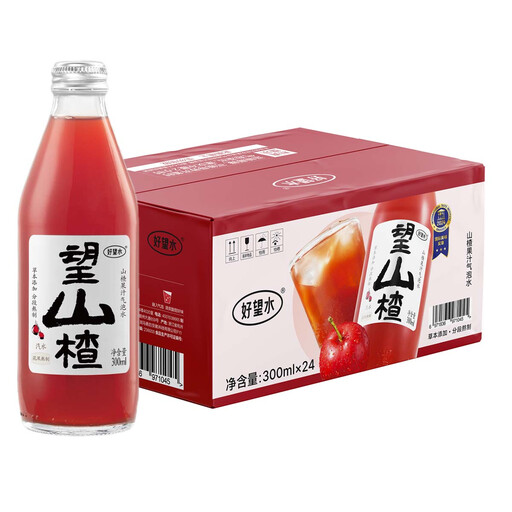
Why this fits the profile: The box of 24 bottles of 300 ml is aimed at parties, shared use or stocking up an office.
The packaging states both the number of bottles and the volume per bottle. That lets you work out in advance how much drink you actually need.
24 glass bottles of 300 ml and a flavour profile with hawthorn, strawberry and black plum according to the ingredients list.
We’ve put together a full, up-to-date list of products that fully meet these strict selection criteria and comply with current European safety regulations.
Sparkling water is a general term for water that has had carbon dioxide added or that naturally contains carbonation. For mineral water, its origin from a recognised source and its mineral composition also play a role. For a concrete comparison, check the ingredients and the mineral profile on the packaging.
This varies by product and packaging. An opened bottle will generally gradually lose its fizz. Store the drink according to the label, usually chilled and well sealed, and follow the stated period after opening. With cans, it’s practical to drink the contents straight away.
Not automatically. Divide the total price by the total number of millilitres to calculate the price per litre. Also factor in storage space, glass weight, refrigeration and the chance that an opened bottle won’t be finished in time. For a party, soft drinks in bulk packs can be handy; for individual use, multipacks of smaller bottles may suit you better.
