
Vandaag of morgen in huis

Kwaliteit gegarandeerd

Welkomstaanbiedingen ontgrendelen: GRATIS bezorging | Tot 80% korting | Gratis 30 dagen JoyPlus-proefperiode
Download de app
Fizzy drinks come in many varieties: from sparkling water and carbonated mineral water to soft drinks, sugar-free soft drinks, tonic water and sparkling fruit water. The difference isn't just about taste. Sugar, sweeteners, caffeine, portion size and packaging all determine whether a product fits into your daily routine.
If you only look at the front of a bottle or can, it's easy to make the wrong choice. A catchy term like "light", "zero" or "natural" doesn't always tell you enough about the full ingredients. With these practical checks, you can compare fizzy drinks more effectively and avoid buying something that doesn't match what you're looking for.
A sugar-free soft drink often contains sweeteners instead of sugar. This can lower the calorie content, but the taste varies depending on the recipe. So always check the ingredients list and nutritional values per 100 ml. That way, you can see whether a caffeine-free cola, lemonade or other soft drink actually suits your taste preferences.
Also look out for warnings. Some products with aspartame state that they contain a source of phenylalanine. This is mentioned in the product information for certain cola varieties and lemon-lime drinks, for example.
A sparkling fruit water can contain fruit juice, sugar or sweeteners. Beypazari Limonlu Soda, for example, lists mineral water, carbon dioxide and natural lemon aromas, but according to the stated nutritional information it contains 26 kcal and 6.5 grams of sugar per 100 ml. Spa Fruit Lemon Cactus contains 12 kcal and 3 grams of sugar per 100 ml according to the product description.
So always compare the table, rather than relying solely on words like natural, fruity or light.
A soft drink multipack is handy for a family, party or store cupboard, but first check the total volume and the shelf life. A pack of 24 cans of 330 ml contains many more portions than a 6-pack. That's practical if you drink a lot, but less suitable if you want to vary the flavours.
Also think about storage space and the weight of the order. Bottles of 1 or 1.5 litres are good for sharing, while small bottles or cans are more convenient for on the go.
Always use the same unit of measurement: per 100 ml. At the very least, look at:
Sparkling water such as g'woon Sparkling Mineral Water states 0 kcal and 0 grams of sugar per 100 ml. According to the product information, the ingredients are spring water and carbon dioxide. Crystal Clear Sparkling Peach states 1 kcal per 100 ml and no sugar, but does use sweeteners such as sucralose and acesulfame-K. These are different choices, even though both products fall into the low-calorie category.
Not every fizzy drink is the same. Pay attention to the difference between:
A lightly sparkling drink might suit a meal better than a strongly flavoured soft drink. For a non-alcoholic mocktail, also consider the flavour, serving size and the possibility of adding ice, citrus or herbs.
A 1.5-litre bottle is practical for home and shared use. A 330 ml can gives a fixed portion and cools quickly. Small 200 ml bottles are easy to take with you, like the Beypazari Limonlu Soda.
Once opened, the fizz decreases. Store an opened bottle in the fridge, close the lid tightly and follow the storage instructions on the label. Before buying, also check the packaging, allergen information and best-before date. The product page gives useful information, but the label on the packaging you receive is the final word.
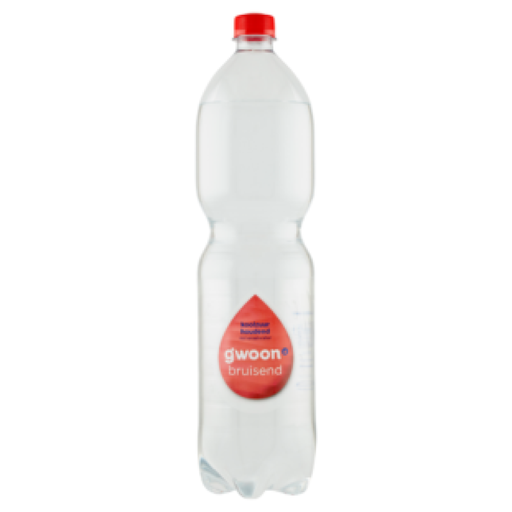
Why this fits the profile: A simple choice for everyday use, meals and filling the fridge without flavourings or sweeteners according to the product information.
The ingredients are straightforward: spring water and carbon dioxide. There are no hidden sugars or sweeteners in the stated ingredients list.
1.5 litre content; 0 kcal and 0 grams of sugar per 100 ml according to the product data.
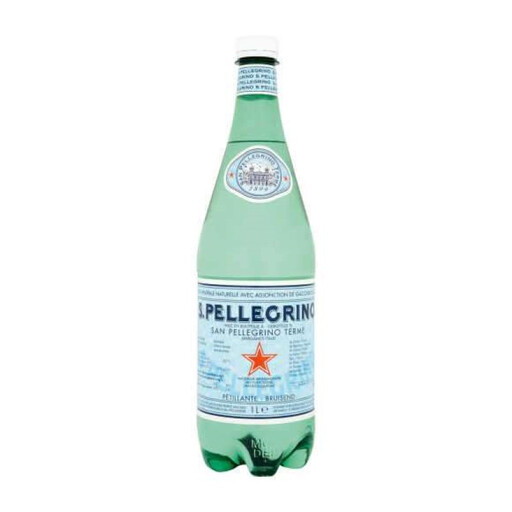
Why this fits the profile: Ideal for anyone looking for carbonated mineral water that suits a formal dinner or a well-presented table setting.
You're choosing natural mineral water with carbon dioxide here, not a flavoured soft drink with sugar or sweeteners.
1 litre content; 0 kcal and 0 grams of sugar per 100 ml according to the product information; made in Italy.

Why this fits the profile: Handy for anyone who regularly wants to serve caffeine-free cola, for example at home, with meals or at a party.
The product data clearly states 24 cans of 330 ml, with no sugar and no caffeine. This means you can easily estimate the total stock in advance.
24 portions of 330 ml; 0 grams of sugar and 0.3 kcal per 100 ml according to the stated nutritional values.
We've put together a full, up-to-date list of products that fully meet these strict selection criteria and comply with current European safety regulations.
Unsweetened sparkling water and carbonated mineral water usually contain 0 kcal per 100 ml according to the stated product information. Flavoured low-calorie soft drinks can contain around 0 to 1 kcal per 100 ml, but often use sweeteners. So check both the nutritional information table and the ingredients list.
Not always. Sparkling water is a broad term for water with carbon dioxide. Natural mineral water comes from a recognised source and has a specific mineral composition. Check the label or product description to see which term is used and which ingredients are listed.
Store opened bottles in the fridge and seal them tightly. The fizz will decrease over time. Always follow the storage instructions on the packaging; different products may state a different period after opening. This also applies to tonic water, lemonade and non-alcoholic mocktail drinks.
