
Vandaag of morgen in huis

Kwaliteit gegarandeerd
Download de app
Categorieën

The wearables market can be overwhelming. From a smartwatch to a smart ring or a chest-strap heart rate monitor, the options are vast. Making the wrong choice is a waste of money and won't deliver the data you need to achieve your goals. This guide will help you make an informed decision based on factual specifications, so you can find an activity tracker that fits your lifestyle and athletic ambitions.
Before comparing specifications, it's important to determine which type of wearable best suits you and which features are essential for your needs.
sports watch often offers smartphone notifications, music controls, and sometimes even GPS. Ideal for those looking for an all-in-one device for daily use and workouts.smart ring is discreet and comfortable, especially for sleep. The focus is typically on tracking recovery, sleep quality, and stress. A great choice if you already wear a traditional watch or are looking for a more subtle sleep tracker.sleep tracker measures not only duration but also the different sleep stages (light, deep, REM) and provides a sleep score. This provides insight into your recovery.Based on various use cases and specifications, we have selected three distinct products.
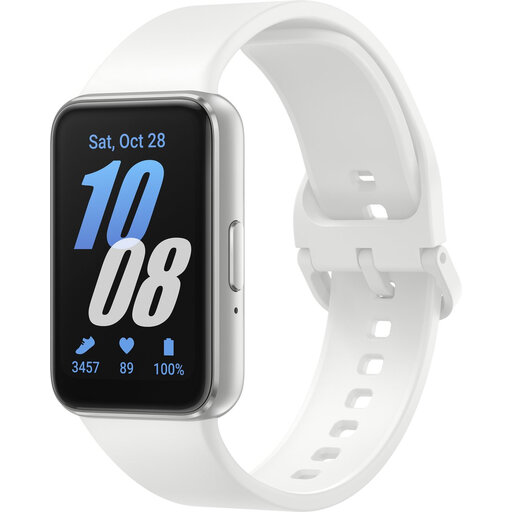
Why this product? The Samsung Galaxy Fit3 is a sporty smartwatch that strikes a balance between functionality, comfort, and battery life. It's an all-rounder suitable for a wide audience.
Pros
Who is it for? For beginner to intermediate athletes looking for a user-friendly and comprehensive activity tracker for daily use, from tracking steps to monitoring various workouts and sleep.
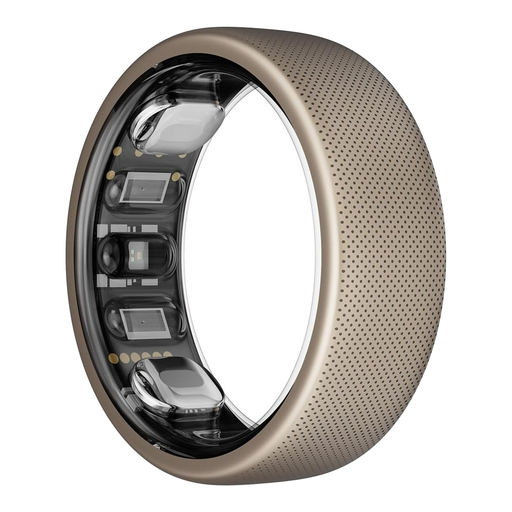
Why this product? The Amazfit Helio Ring focuses on comfort and advanced recovery and sleep analysis in a discreet form factor.
Pros
Who is it for? For individuals primarily interested in monitoring sleep, stress, and recovery. Also ideal for those who already wear a classic watch or are looking for an inconspicuous wearable.
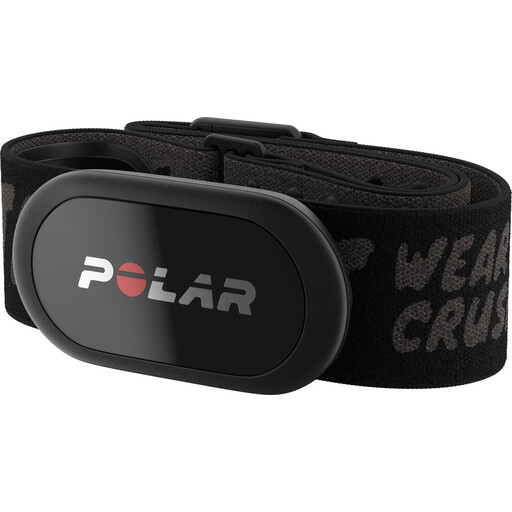
Why this product? When it comes to heart rate accuracy, the Polar H10 chest strap is the benchmark in the market. This device is purely focused on performance data.
Pros
Who is it for? For the serious athlete, runner, cyclist, or swimmer for whom accurate heart rate data is the top priority for optimising training and recovery.
These three options represent different categories within the world of fitness trackers. However, the market is broad and diverse. If your specific needs aren't met here, or if you simply want to compare more options, check out our full range of workout monitors.
1. How accurate is a fitness tracker? Accuracy varies by type. A chest strap like the Polar H10, which measures the heart's electrical activity, is generally considered more accurate for heart rate monitoring during intense exercise than wrist- or ring-based trackers. The latter use optical sensors, which are sufficiently accurate for most users and activities but can be affected by movement and fit.
2. Can I use a fitness tracker without a smartphone? Most trackers require a smartphone to sync data, adjust settings, and view detailed analytics. However, some models, like the Polar H10, have internal memory that allows you to record a workout without a connected device. You can then sync the data later.
3. What does the ATM rating for water resistance mean? ATM stands for 'atmospheres' and indicates the pressure a device can withstand. 3ATM is splash-proof (hand washing). 5ATM is suitable for surface swimming. 10ATM is suitable for snorkelling and most water sports, but not for deep-sea diving. Always check the manufacturer's specifications for precise recommendations.