
Vandaag of morgen in huis

Kwaliteit gegarandeerd

Welkomstaanbiedingen ontgrendelen: GRATIS bezorging | Tot 80% korting | Gratis 30 dagen JoyPlus-proefperiode
Download de app
You've made the decision: you're setting up a serious workout space at home. The weight bench is on its way, the treadmill is ready to go, and you're motivated to start. But then you look at your floor—whether it's laminate, parquet, or tile—and a sense of unease creeps in. Heavy weights, the constant pounding from a treadmill, and unavoidable sweat can permanently damage your floor.
Proper fitness floor protection is not a luxury, but a necessity. It prevents scratches, dents, and noise complaints from the neighbours. This article is intended as a practical guide. We'll help you choose the right fitness tiles for your situation, without any unnecessary marketing jargon. We'll look at the specifications and applications so you can make an informed decision.
Before you make a choice, it's helpful to consider a few key features. The right gym floor tiles depend on the type of training you do and the equipment you use.
The material determines the durability, cushioning, and comfort of your floor. The two most common options are:
puzzle mat. Foam tiles offer good cushioning for bodyweight exercises, yoga, or light strength training. A thickness of around 1.2 cm is a popular choice for all-around use.Rubber floor tiles are heavier, denser, and significantly more durable. They are ideal for absorbing the impact of heavy weights and provide excellent vibration damping. This is the standard in many commercial gyms and a solid choice if you're serious about working with barbells and heavy equipment.Think about how you want to use the floor. Do you need complete home gym flooring or just an equipment mat?
A safe workout starts with a stable surface. Look for an anti-slip surface to prevent slipping, especially when you sweat a lot. Additionally, a floor that is easy to clean with a damp cloth is both hygienic and practical.
Based on product specifications and potential applications, we have listed a few options for you.
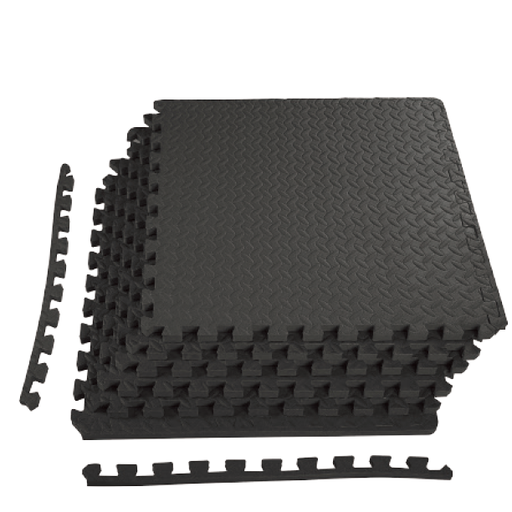
Why It Stands Out This set of six puzzle tiles is a versatile start for any home fitness enthusiast. The tiles are made of PE foam with a thickness of 1.2 cm, providing a good balance between comfort and protection. The interlocking design makes installation simple, and you can make the surface exactly the size you need.
Key Features
Who It's For? This is an excellent choice for those who want to transform part of a room into a fitness area for yoga, Pilates, bodyweight exercises, or training with light weights. It's the ideal, flexible foundation for a beginner's home gym floor.
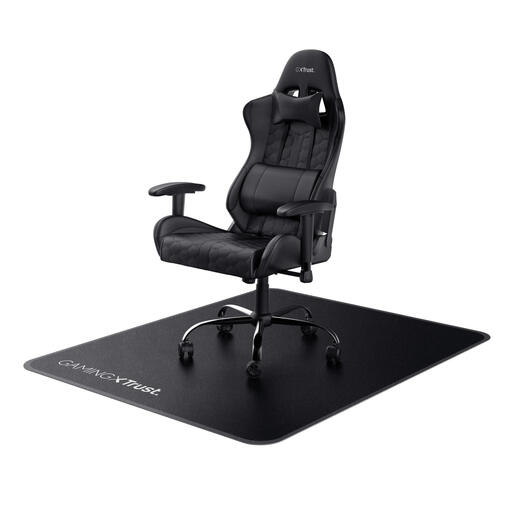
Why It Stands Out Although originally designed as a gaming mat, the specifications of the Trust GXT 715 make it highly suitable as an equipment mat. Unlike soft foam tiles, this mat has a hard, wear-resistant surface. This is ideal for equipment with wheels, such as a rowing machine or a mobile weight bench, as it allows for smooth gliding without damaging the floor.
Key Features
Who It's For? Perfect for anyone who doesn't need a full gym floor but wants to protect a specific area under a single piece of equipment. Think of a spin bike, rowing machine, or the area under your desk chair in your multi-functional gym/office.
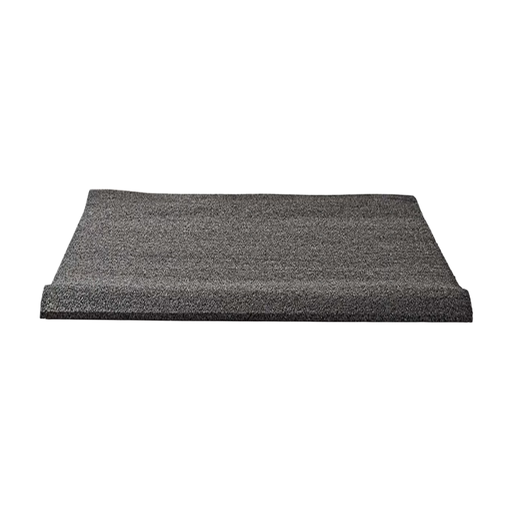
Why It Stands Out This mat from Nedis is the solution to a common problem: noise and vibrations. Made of 6 mm thick rubber, this vibration-damping mat is specially designed to absorb vibrations. Although often used under washing machines, it is just as effective under a noisy treadmill or any other equipment that produces a lot of movement and sound.
Key Features
Who It's For? Ideal for people living in an apartment who want to be considerate of their downstairs neighbours. Also a must-have for anyone with a treadmill, cross-trainer, or washing machine that makes the whole room vibrate.
The recommendations above are tailored to specific situations. Perhaps you're looking for something different, like a full-coverage smooth rubber mat on a roll for a larger space or a heavier application. For a wider range of floor protection, you can browse our full category.
Discover more floor protection
1. Can I lay fitness tiles on carpet? It is generally not recommended. Puzzle tiles can shift on carpet, creating an unstable and unsafe surface. For best performance and safety, you should lay fitness tiles on a hard, flat surface such as concrete, laminate, or tile.
2. How thick should a fitness floor be? The required thickness depends on your workout. For general fitness, yoga, and light weights, 1 to 1.5 cm of foam or rubber is often sufficient. If you plan on heavy deadlifts or dropping weights, a thicker rubber floor of 2 cm or more is recommended for maximum protection of the subfloor.
3. Are rubber floor tiles difficult to clean? No, most rubber floor tiles have a non-porous surface and are easy to maintain. Regular vacuuming and wiping with a damp cloth and a mild cleaning agent is usually enough to keep the floor hygienic and in good condition.
