
Vandaag of morgen in huis

Kwaliteit gegarandeerd

Welkomstaanbiedingen ontgrendelen: GRATIS bezorging | Tot 80% korting | Gratis 30 dagen JoyPlus-proefperiode
Download de app
Fitness at home can be accessible and practical, but the wrong purchase quickly leads to frustration. A yoga mat that slides on a smooth floor, an exercise bike that turns out to be too big for the living room, or a walking pad that barely gets used: these are common buying mistakes.
As a Joybuy Product Recommendation Officer, I filter product specifications for usability. Pay particular attention to these three pitfalls before ordering a fitness mat, spinning bike or any other sports equipment.
A low price says little about suitability. Also check the material, dimensions, maximum user weight and included accessories. With a yoga mat, a carrying strap can be handy, while with an exercise bike, adjustability and stability are more important than the number of programmes.
Terms like “professional”, “extra quiet” or “protects your joints” sound appealing, but ask yourself what specification lies behind them. Look, for example, at:
When a brand claims a certain performance, don't automatically take that claim as a given fact. According to a brand's own research, features can be presented differently from how you experience them in daily use. So base your choice on verifiable data from the product description.
A piece of fitness equipment can feel larger at home than it does in a product photo. Measure the area where you want to train, as well as the storage space. With a spinning bike, allow for movement space around the saddle. A foldable mat or walking pad is more practical in a flat or home office.
For yoga and Pilates, a stable surface is important. A mat of 6 mm offers a combination of cushioning and contact with the floor. A thicker mat, for example 10 or 12 mm, feels softer for exercises on your knees or back, but can feel less direct during balance poses.
Pay attention to the underside. An anti-slip fitness accessory with texture can help prevent sliding on wood, tiles or concrete. This is no guarantee of grip on every floor: clean and level the surface, and test the mat carefully before intensive exercises.
TPE and NBR are different materials. TPE mats are often light and easy to carry. NBR foam is usually thicker and softer. Also check the cleaning instructions. According to the product information, the mats mentioned are intended to be cleaned with a damp cloth and air-dried; machine washing is not recommended.
For cardio training at home, don't just look at a screen or app. Check:
Magnetic resistance and belt drive are often linked in product descriptions to a quieter workout. According to the product information for the models in question, these systems are designed for a smooth cycling experience. The actual noise also depends on the floor, assembly and maintenance.
For walking during a work break, the running surface is at least as important as the motor power. Check whether the length suits your stride and whether a handrail is present when you want extra support. Also pay attention to the maximum speed, the weight of the device and how you store it.
A walking pad with transport wheels can be handy, but ease of lifting and sliding varies from user to user. Regularly check the belt, keep the running surface clean and follow the manufacturer's maintenance instructions.
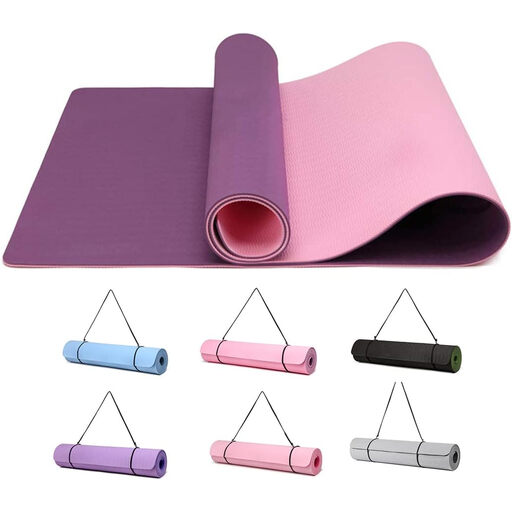
Why this fits the profile: The dimensions of 183 x 61 cm and a weight of approximately 0.7 kg make this mat suitable for yoga, Pilates, stretching and light fitness at home.
The specifications state the thickness, material, weight and a carrying strap. This allows you to compare the mat on practical points rather than just appearance.
6 mm TPE, double-sided texture and carrying strap; clean with a damp cloth according to the product information.
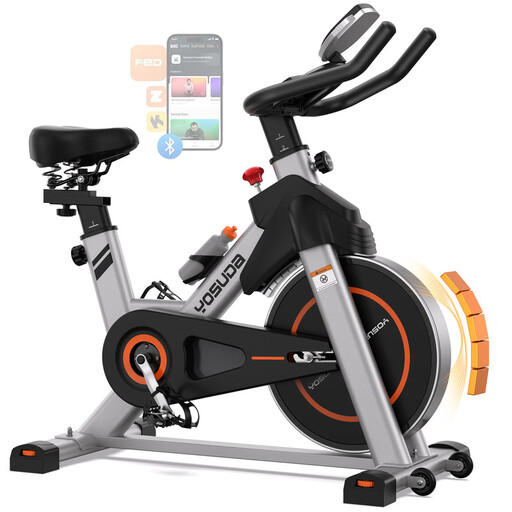
Why this fits the profile: This spinning bike is designed for regular cardio training at home and has multiple adjustment options for the saddle and handlebars.
The description states a maximum load of 160 kg, an 8 kg flywheel and a magnetic system. Check before purchase whether the dimensions fit your space.
LCD display, Bluetooth with app, transport wheels and four-way saddle adjustment according to the product information.

Why this fits the profile: This model is intended for walking and light jogging in a home office or compact living space, with a foldable handrail.
The product specifications state a running surface of 35.4 x 15.7 inches, a speed of up to 3.8 mph and a maximum load of 300 lb. Measure your space beforehand.
Manual incline of 10%, LED display, remote control and transport wheels according to the product description.

Why this fits the profile: The extra width gives you more room for dynamic yoga, Pilates and fitness exercises, as long as your floor space allows it.
The dimensions of 190 x 100 cm are clearly stated. This prevents you from buying a standard mat when you actually need plenty of movement space.
6 mm TPE, double-sided texture and a weight of approximately 1.2 kg with carrying strap according to the product information.
We have compiled a full, up-to-date list of products that fully meet these strict selection criteria and the applicable European safety regulations.
Start with one training goal. For yoga or Pilates, a suitable yoga mat is usually enough. For strength training, dumbbells and enough free floor space make more sense. If you want to build up your fitness, consider a skipping rope, exercise bike or walking pad.
Before ordering, also check:
For outdoor sports, different choices are relevant. Badminton shuttlecocks made of goose feathers can differ in speed according to the product information, for example 76 or 77. A rubber basketball of 24 cm and 500 g is intended for recreational use. Use sports equipment for its intended purpose and inspect it before every workout.
Start with a fitness mat and choose one form of exercise, such as yoga, Pilates, bodyweight exercises or light cardio training. Only add dumbbells, a skipping rope or an exercise bike later when your routine is established.
The lifespan depends on frequency of use, floor type, cleaning and storage. Clean the mat according to the product instructions, let it dry completely and avoid prolonged direct sunlight. Cracks, permanent deformation or reduced grip are reasons to replace a mat.
In addition to the purchase price, you mainly pay for electricity, maintenance and any spare parts. For a walking pad, check the recommendations for lubrication and belt maintenance. For an exercise bike, a level surface, properly tightened parts and regular cleaning are important basic steps.
