
Vandaag of morgen in huis

Kwaliteit gegarandeerd

Welkomstaanbiedingen ontgrendelen: GRATIS bezorging | Tot 80% korting | Gratis 30 dagen JoyPlus-proefperiode
Download de app
Choosing the right fishing line can mean the difference between a successful catch and a disappointing day on the water. A line that snaps at a crucial moment or is too visible to wary fish are common frustrations. The right line depends on the target species, your technique, and the conditions. This article provides a practical overview of the specifications for two popular line types, helping you make an informed choice when buying a new fishing line.
For the modern predator angler fishing with lures, the choice often comes down to two materials: fluorocarbon and braided PE line. Both have unique properties, and your decision will depend on your priorities.
Fluorocarbon Fishing Line:
Braided Fishing Line (PE Line):
Based on product parameters and application potential, we have selected two lines from ECOODA that perfectly represent the qualities of fluorocarbon and PE lines.
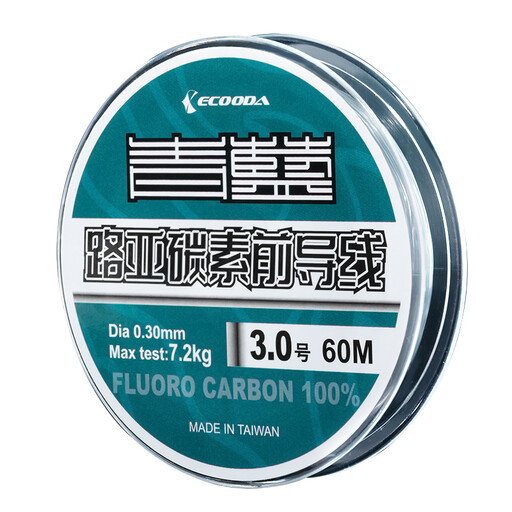
Why This Product This fluorocarbon fishing line from ECOODA is engineered for situations where invisibility and abrasion resistance are critical. The line is made from a carbon-fluorine material, which the manufacturer claims provides high density and durability. This makes it an excellent choice as a main line or as a leader for predator fishing.
Pros
Who It's For This is a fitting predator line for anglers targeting species like perch, zander, or trout in clear water. It is particularly effective for finesse techniques, such as the dropshot or Carolina rig, where a subtle lure presentation is required. It also serves as a highly functional, abrasion-resistant leader when paired with a braided main line.
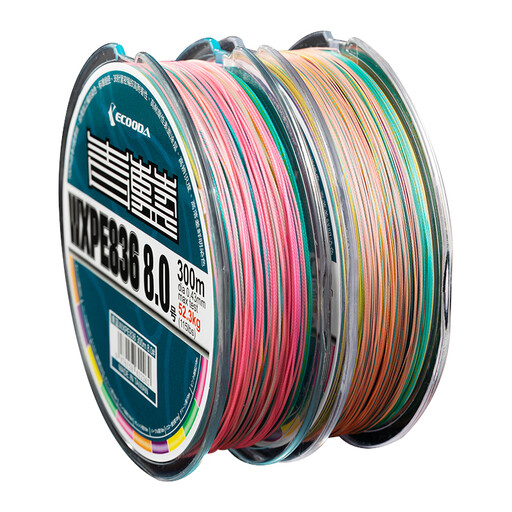
Why This Product This braided fishing line from ECOODA is an 8-strand PE fishing line. The 'WXPE836' designation refers to its construction, featuring 8 thin fibres woven tightly together. This results in a rounder, smoother, and stronger line compared to those with fewer strands. The goal is to maximise casting distance and sensitivity.
Pros
Who It's For This line is aimed at the active lure angler who demands maximum control and feel. It's ideal for casting shads, plugs, or jigs for perch, pike, and zander. Its sensitivity allows you to detect even the most cautious bites, while its strength provides confidence during the fight with a large fish. An excellent lure fishing line.
A long, focused day of fishing requires not only the right gear but also plenty of energy. A nutritious snack can help you stay sharp and maintain your stamina. For those looking for a practical, high-energy option for their tackle bag, take a look at our range of Premium Quality Nuts.
1. What is the difference between fluorocarbon and nylon (monofilament) fishing line? The main differences are in visibility and density. Fluorocarbon is virtually invisible underwater and sinks. Nylon is more visible and has greater buoyancy. Additionally, fluorocarbon generally offers higher abrasion resistance and less stretch than nylon.
2. Can I use a braided line without a leader? Yes, you can, but it is often not recommended. A braided line is highly visible underwater, which can spook wary fish. A fluorocarbon leader of 50-100 cm makes the terminal end of your rig virtually invisible. Furthermore, a fluorocarbon leader provides extra abrasion resistance, which is useful when fishing near the bottom or around obstacles.
3. How often should I replace my fishing line? This depends heavily on frequency of use, conditions (sunlight, saltwater, sharp obstacles), and the type of line. Regularly check your line for damage, kinks, or rough spots, especially the first few metres. If a line feels brittle, is discoloured, or breaks easily, it's time for a replacement. For an active angler, replacing the main line annually is a good rule of thumb.
