
Vandaag of morgen in huis

Kwaliteit gegarandeerd

Welkomstaanbiedingen ontgrendelen: GRATIS bezorging | Tot 80% korting | Gratis 30 dagen JoyPlus-proefperiode
Download de app
Fish snacks come in many forms: from dried fish snacks or anchovy snacks to fish tofu, fish cakes, chikuwa, and treats for cats or dogs. The difference isn't just about flavour. Portion size, salt content, allergens, preparation methods and storage requirements all determine whether a product suits your needs.
An attractive packet can hide important information. So pay particular attention to the common pitfalls below.
A product may be marketed as a high-protein snack, yet the protein content per 100 grams can vary enormously. According to the product information, Jin Zai Deep Sea Small Fish Spicy Flavour contains 25.8 grams of protein per 100 grams. In contrast, Zen Zen Salmon Chips contain just 1.3 grams of protein per 100 grams, because tapioca starch is a key ingredient.
Always check:
A small individual packet may be convenient, but nutritional values are usually given per 100 grams. Work back to the amount you actually eat.
Not every Asian fish snack can be eaten straight from the packet. Dried anchovies, spicy fish snacks and fish tofu are often ready to eat. FRESHASIA Bamboo Fish Rolls, also known as chikuwa, are pre-cooked but frozen. According to the product information, these fish rolls must be thoroughly heated before consumption.
Similarly, Delief Busan Fish Cake Roll must be stored frozen and used according to the packet instructions after defrosting. So check before you buy:
A spicy fish snack often contains chilli, garlic, spices or Sichuan pepper. In addition, soya, wheat, egg, sesame, sulphites or molluscs may be present. This applies, for example, to various Jin Zai products and to chikuwa.
European labelling requires major allergens to be listed, but always check the current packaging. Recipes can change. Only share a snack with children if the ingredients and spiciness are suitable. For pets, remember: snacks made for humans are not automatically suitable for cats or dogs.
Individual portions of 8 to 12 grams are handy for a lunchbox, travelling or with a drink. Jin Zai products are available in packs such as 12 × 8 grams, 12 × 12 grams or five separate sachets. This helps you measure a portion and limits exposure to air after opening.
A larger bag may seem better value, but it is less practical if you do not finish it quickly. So check the net weight, the number of sachets and the storage instructions.
A product containing fish does not always consist mainly of fish. Check the ingredients list and the percentage of fish. Examples:
“Fish snacks” can therefore range from dried fish to a composite product made with fish paste or plant protein. Choose based on the ingredients, not just the product name.
A cat treat with salmon or a dog treat with salmon is formulated for a different nutritional purpose than a snack for humans. Do not give a pet a spicy anchovy snack with chilli, soya or lots of salt.
According to the product information, INABA Fun Bites Cat Chicken Wraps Tuna is complementary pet food for cats. The product contains 93% moisture and various flavours, including tuna and salmon. According to the manufacturer, it is intended as a treat or to supplement fluid intake; this is a brand claim and not a medical effect. Stick to the recommended amount and always provide fresh drinking water.
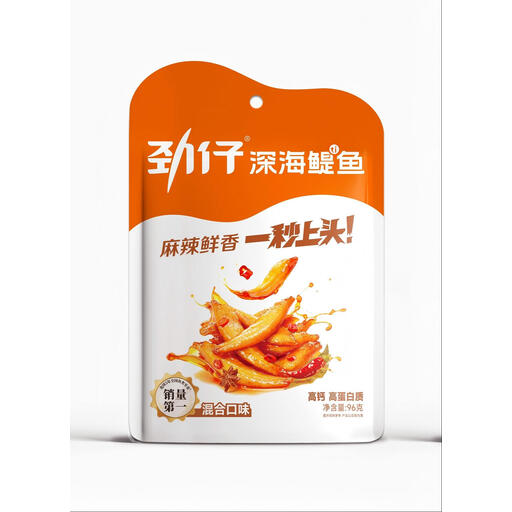
Why this fits the profile: Three flavours in 12 individual sachets make it easy to try different Asian fish snacks without committing to a large quantity of one flavour.
The portions are clearly defined and the packaging states the fish, protein and salt content for each flavour.
Ready to eat, 12 × 8 grams and at least 69% anchovy according to the product information.
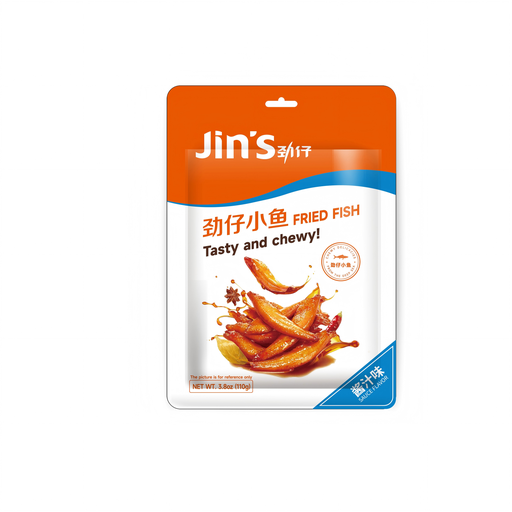
Why this fits the profile: Ideal for those looking for a distinctive sauce-like flavour and a high stated anchovy percentage.
The product states 75.3% anchovy and lists allergens including fish, soya and wheat.
110 grams, ready to eat and 27 grams of protein per 100 grams according to the product information.
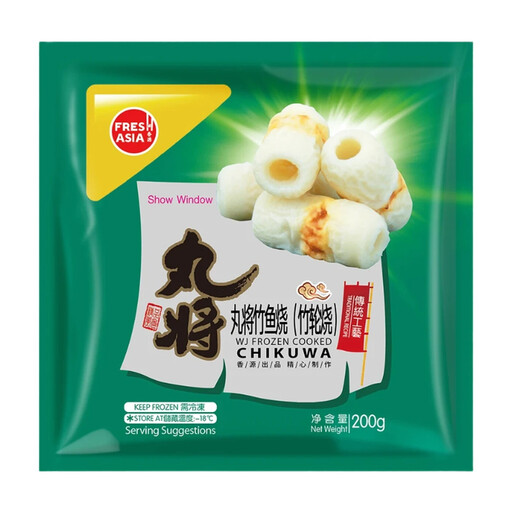
Why this fits the profile: A practical choice for hotpot, soup, stews or pan-frying.
The product information clearly states that the product is frozen and must be heated before consumption.
200 grams, pre-cooked surimi and 10 grams of protein per 100 grams according to the product information.
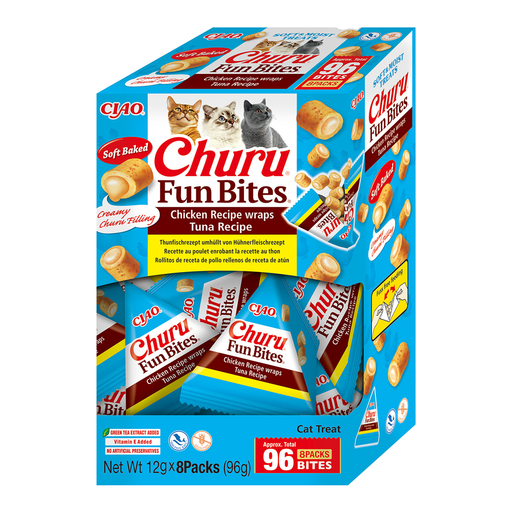
Why this fits the profile: For those looking for a dedicated cat treat with tuna and salmon, featuring a high moisture content according to the product description.
It is clearly labelled as complementary pet food for cats and not as a snack for humans.
93% moisture, 146 grams total weight and four stated flavours, including tuna, scallop and salmon.
We have put together a full, up-to-date list of products that fully meet these strict selection criteria and current European safety regulations.
A ready-to-eat fish snack in individual sachets is the most practical option. Check the shelf life, allergens and storage temperature. Jin Zai products with portion packs are intended to be eaten immediately after opening. Take extra precautions in warm weather and follow the packet instructions.
That depends on the product and the quantity. In particular, compare protein, fat, calories and salt per 100 grams. A product with a lot of fish can also contain relatively high levels of oil or salt. So enjoy fish snacks as part of a varied diet rather than as a meal replacement.
Always follow the label. Dry, ready-to-eat products should usually be stored in a cool, dry place and eaten soon after opening. Frozen products, such as chikuwa or fish cakes, belong in the freezer. An opened cat treat should be sealed tightly and used according to the feeding instructions.
