
Vandaag of morgen in huis

Kwaliteit gegarandeerd

Welkomstaanbiedingen ontgrendelen: GRATIS bezorging | Tot 80% korting | Gratis 30 dagen JoyPlus-proefperiode
Download de app
Are you looking for a savory snack that's out of the ordinary? Fish snacks are an interesting option. Whether you're a fan of Asian cuisine, seeking a protein-rich post-workout snack, or want something unique to serve with drinks, the selection is vast. But this abundance can also be overwhelming. Not all fish snacks are what they seem, and it's a waste of money if you end up with a disappointing product.
As a Joybuy Product Recommendation Officer, I'm here to help you cut through the marketing jargon. In this guide, we'll discuss the most common pitfalls and give you practical advice to make a smart choice.
Before you fill your shopping cart, it's wise to be aware of a few common mistakes. This will help you avoid a purchase you'll regret.
To avoid the pitfalls mentioned above, you can look for a few specific product features. These specifications will give you an objective picture of what to expect.
The foundation of any good fish snack is, of course, the fish. Check the ingredient list for two things:
Don't be guided solely by the flavor name on the front of the package. The ingredient list reveals the true character of the snack. Are you looking for spicy fish snacks? Check if specific peppers are mentioned, such as chili or Sichuan pepper for that characteristic tingle found in many Chinese snacks. If you're after a savory umami taste, look for ingredients like soy sauce and yeast extract. This provides a much more reliable picture than a generic term like "spicy" or "savory."
If you're choosing a fish snack as a protein-rich snack, it's wise to consult the nutrition facts table. A product with more than 20 grams of protein per 100 grams can be considered high in protein. At the same time, compare this with the salt content. A snack for drinks can be salty, but if you eat a lot of it, the salt content can add up quickly. You can make a conscious choice by weighing these two values against each other.
To get you started, we've matched some popular choices with different preferences.
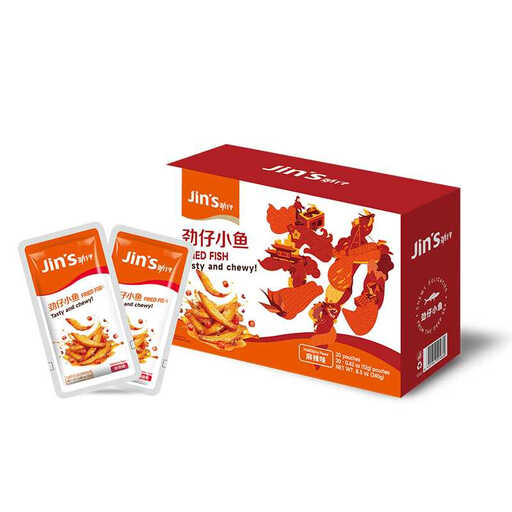
Why This Fits Their Persona: Ideal for those who love authentic Chinese flavors and aren't afraid of a little heat. The 'mala' (numbing and spicy) flavor from Sichuan peppercorns offers a unique experience you won't find in a standard supermarket snack.
The product name and ingredient list explicitly mention "Numbing and spicy flavor" and "Sichuan Peppercorn." This avoids the pitfall of a vague flavor description; you know exactly what unique, spicy taste to expect.
Authentic 'mala' flavor for a true Sichuan experience. Individually wrapped in 12g portions, convenient for on-the-go and preserving freshness.
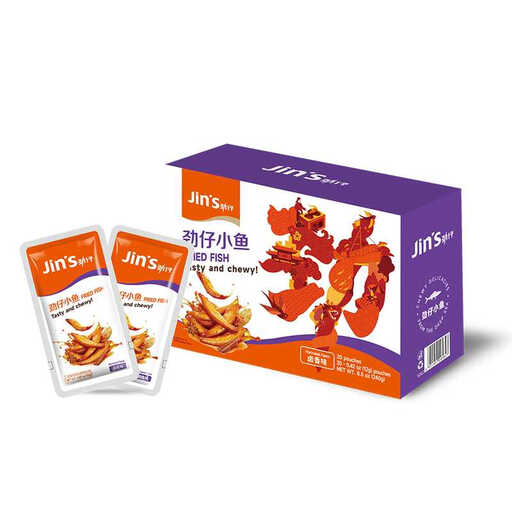
Why This Fits Their Persona: A perfect savory, protein-rich snack to serve with drinks. The braised, salty flavor pairs excellently with a beer and is a more nutritious alternative to a bowl of chips or nuts.
This product bypasses the "hidden sugar" trap. The nutritional information shows a high protein content (31.8g) and a low sugar content (1.0g). The high fish content of 69% ensures you're paying for fish, not filler.
Very high in protein with 31.8g per 100g. Made from real, whole anchovies for a satisfying, chewy texture. The savory, braised flavor is complex and not one-dimensionally salty.
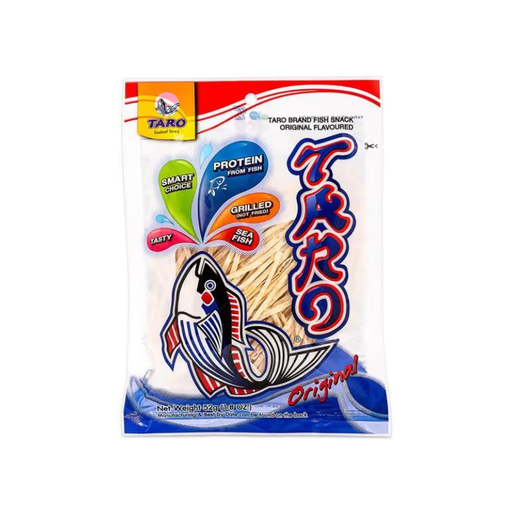
Why This Fits Their Persona: An approachable introduction to the world of Asian fish snacks. The flavor is mild and savory (umami) without being spicy. Its unique, chewy texture from fish paste is different from chips or nuts, making it a fun discovery.
The "Original Flavour" is a clear indicator of a mild taste, so you won't face any spicy surprises. The snack is made from fish paste, which ensures a consistent texture, unlike the sometimes variable quality of whole fish.
Made with a high fish content (67.4% fish meat). The mild, savory flavor is accessible for beginners. The chewy, strip-like texture is a nice change of pace.
We've curated a complete, up-to-date list of products that meet these selection criteria. Discover even more flavors and varieties to suit your preference.
Most dried fish snacks and snacks made from fish paste are best stored in an airtight container or a well-sealed bag in a cool, dry place after opening. This helps to maintain their texture (crispy or chewy) and prevents them from going stale. Avoid the refrigerator unless the packaging specifically advises it, as moisture can make the snack soft.
That depends on the specific product. Many varieties are indeed savory snacks that are rich in protein and relatively low in carbohydrates, making them a more nutritious alternative to potato chips, for example. However, it's important to check the nutrition facts table for the salt and sugar content. By choosing carefully, you can find a variety that fits well within a balanced diet.
The main difference lies in the preparation method and texture. Jin Zai is a brand primarily known for its Chinese snacks based on whole, dried fish (anchovies). These have a firm, chewy bite and often come in powerful, spicy flavors. Taro fish snack is made from fish paste that is formed into thin strips and dried. This results in a flatter, more 'jerky'-like texture with generally milder, Southeast Asian flavors like original or BBQ.
