
Vandaag of morgen in huis

Kwaliteit gegarandeerd

Welkomstaanbiedingen ontgrendelen: GRATIS bezorging | Tot 80% korting | Gratis 30 dagen JoyPlus-proefperiode
Download de app
A bottle of fish sauce might seem simple to choose, but the differences in ingredients, salt content and usage are significant. A cheap bottle can be far too salty for a dip, while a delicate sauce for steamed fish will do very little in a punchy stir-fry.
When buying, don’t just look for words like “authentic”, “premium” or “restaurant-style”. Instead, check the ingredients, the fish content, the volume and how you plan to use the sauce. That way, you can make a more informed choice between Thai fish sauce, Vietnamese fish sauce, a sauce for fish or a ready-to-use fish seasoning.
With a classic fish sauce, the fish content is a useful indicator. For example, Squid Fish Sauce 725ml lists 77% anchovy, while Thanh Ha Fish Sauce 720ml lists 35% Stolephorus commersonnii. This gives you information about the ingredients, but it doesn’t solely determine how the sauce tastes. Fermentation, sugar, salt and any flavour enhancers also play a part.
So compare the full ingredients list rather than just the front of the label.
Fish sauce is typically made with fish and salt. Soy sauce for steamed fish is a different product, often based on water, soya beans, wheat, salt and sugar. That sauce is designed to be poured over a delicate fish fillet and usually has a sweet-savoury flavour.
A soy sauce for steamed fish is therefore not automatically suitable as a Thai fish sauce for a papaya salad or a Vietnamese dipping sauce. Also check for allergens: many soy sauces contain soya and wheat, whereas fish sauce sometimes only lists fish as an allergen.
Fish sauce is concentrated. In the product information, Thanh Ha lists 23.3 g salt per 100 ml, Squid lists 25.2 g sodium per 100 g and Lee Kum Kee Steam Fish Soy Sauce lists 12.75 g salt per 100 ml. So always start with a small amount and taste before you add extra salt, soy sauce or stock.
A lower stated salt content doesn’t automatically mean a product tastes mild. The ingredients and dosage still matter.
Look at:
For a simple base in stir-fries, marinades and soups, a short ingredients list is practical. Maeboonlam Fermented Fish Sauce, for instance, lists fermented fish sauce as the main ingredient, including fish, toasted rice, water and salt. This differs from a simple anchovy sauce and therefore suits different flavour preferences.
A 700 ml bottle or larger is handy if you regularly cook Asian dishes. For occasional use, a smaller bottle can help reduce waste. After opening, follow the storage instructions on the packaging. Some products just need a cool, dry place; other sauces must be refrigerated after opening.
Don’t automatically keep the bottle next to the hob. Heat and direct sunlight can affect quality during storage.
There are broadly three categories:
A ready-to-use fish seasoning saves preparation time, but often contains extra salt, oil, chilli or flavour enhancers. Read the label if you want to keep control over the final flavour.
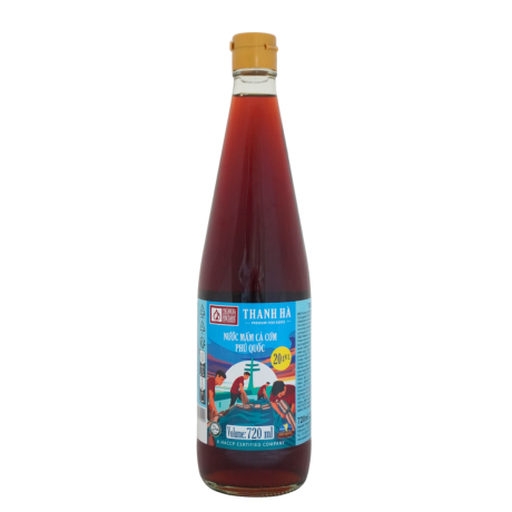
Why it suits this profile: The 720 ml bottle offers a generous supply for anyone who regularly makes nasi, noodles, stir-fries or Vietnamese dips.
The label states 35% Stolephorus commersonnii and clearly indicates the high salt content. This allows you to dose the sauce precisely.
720 ml volume; suitable for stir-fries, marinades and dips. The product lists none of the 14 main EU allergens.
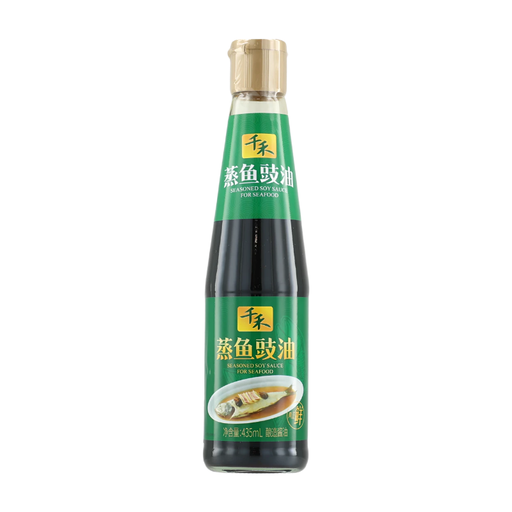
Why it suits this profile: This sauce is specifically formulated for steamed fish, prawns and shellfish, and can be used directly as a finishing sauce or dipping sauce.
The application is clearly described. You therefore don’t need to use this sauce as a general fish sauce for every dish.
435 ml volume; suitable for fish, shellfish, cold dishes and light stir-fries. Contains soya and wheat.
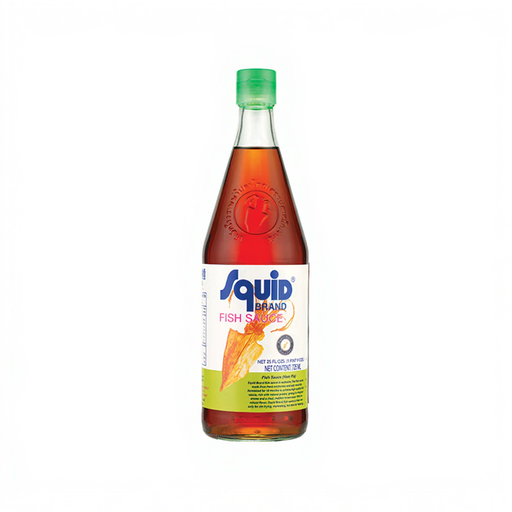
Why it suits this profile: The large bottle is practical for frequent preparation of Thai and Southeast Asian dishes, such as soups, marinades and stir-fries.
The stated anchovy content of 77% makes the ingredients verifiable. The high sodium level does require small doses.
725 ml volume; 77% anchovy according to the product information; suitable for soups, dips, stir-fries and marinades.
We’ve put together a full, up-to-date list of products that fully meet these strict selection criteria and comply with current European safety regulations.
The difference isn’t just about the country of origin. Check the fish content, fermentation, sugar and salt on the label. Some Thai varieties are intended as a powerful flavour enhancer in stir-fries and soups. Vietnamese varieties are also often used in dips and marinades. The product information ultimately determines which application is most suitable.
First add half a teaspoon, mix well and then taste. Combine fish sauce with lime juice, water, sugar, chilli or garlic for a dip. Only add extra salt or soy sauce at the end. With a sauce for fish, it’s wise to take other salty ingredients into account, such as stock, miso or ready-made seasoning mixes.
Always follow the date and storage advice on the packaging. Store an opened bottle tightly sealed in a cool, dry place, unless the label recommends refrigeration. Use a clean spoon and watch for any unusual smell, colour or taste. When in doubt, it’s better to replace it than to keep using it.
