
Vandaag of morgen in huis

Kwaliteit gegarandeerd

Welkomstaanbiedingen ontgrendelen: GRATIS bezorging | Tot 80% korting | Gratis 30 dagen JoyPlus-proefperiode
Download de app
If you want to bring authentic Asian cuisine into your home, fish sauce is an indispensable ingredient. But the shelves are lined with options, and the wrong choice can make or break your dish. Many home cooks fall into the same traps: they grab a random bottle and end up with a dish that's too salty, too bland, or just doesn't taste right. Let's explore how you can avoid this.
The most common pitfall is thinking that all fish sauces are the same. Using a robust Thai nam pla for a delicate steamed fish is like using a hammer for a screw. Another misstep is ignoring the ingredients list. A low percentage of fish extract and a high amount of sugar or artificial additives often lead to a disappointing result. You're paying for a flavour that isn't authentic.
To choose the right bottle, it's helpful to pay attention to a few key specifications. This will help you look past the marketing and find a product that truly suits what you want to cook.
The origin of the sauce provides a good indication of its flavour profile and application. They are not interchangeable.
The ingredients list tells the real story. Two things are crucial here:
To get you started, we've highlighted a few popular choices and matched them with specific cooking styles.
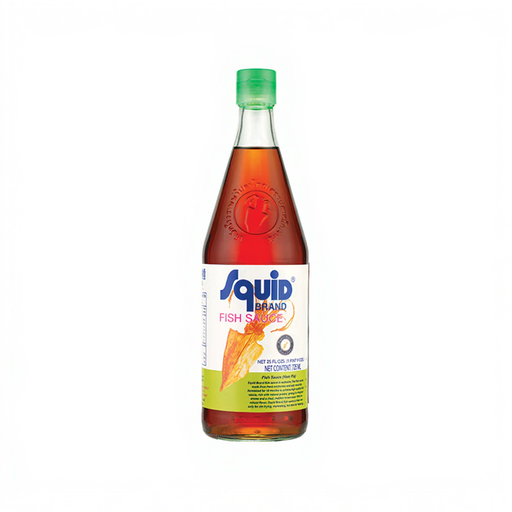
Why This Fits Their Persona: This is a classic Thai fish sauce (nam pla) found in many Thai kitchens. Ideal for those who regularly make Thai curries, soups, or stir-fries and need a reliable, potent flavour enhancer.
This isn't a vague "Asian sauce." It's a specific Thai fish sauce with a high fish extract content, helping you avoid the pitfall of a weak, watery flavour.
Made with 77% anchovy extract for a pure, robust umami flavour. The large 725ml bottle is practical for frequent use.
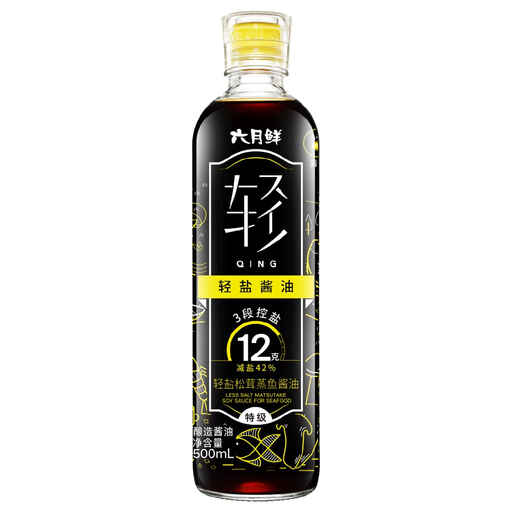
Why This Fits Their Persona: Perfect for those who enjoy making delicate fish and seafood dishes, such as Chinese-style steamed fish. This sauce is designed to enhance the natural flavour of the fish, not to mask it.
This product avoids the classic mistake of using a fish sauce that is too salty and aggressive for a subtle dish. It is clearly a sauce for steamed fish, not a standard fish sauce.
Contains 42% less salt (compared to the standard Shinho Xiaokang soy sauce) and is enriched with matsutake mushroom for a deep yet refined umami.
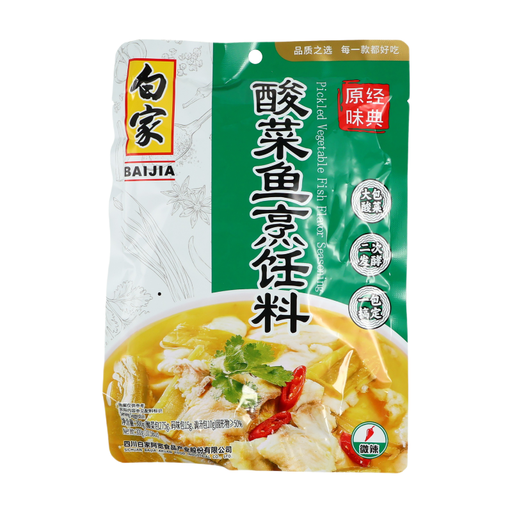
Why This Fits Their Persona: For the home cook who wants to try a specific and complex regional dish, like the classic Sichuan 'Suan Cai Yu' (Fish with Pickled Mustard Greens), without having to source all the ingredients separately.
This packet prevents you from trying to make a dish with the wrong base sauce. It provides a complete, authentic Suan Cai Yu seasoning mix, ensuring a perfect result from the start.
A convenient all-in-one seasoning kit with pickled mustard greens and a spicy broth base. This lets you create a dish at home with an authentic, restaurant-quality flavour.
We have compiled a complete, up-to-date list of products that meet these selection criteria and comply with current regulations.
Although both are made from fermented fish, there are flavour differences. Thai nam pla is generally saltier and more potent, making it ideal for the robust flavours in curries and stir-fries. Vietnamese nước mắm is often slightly lighter and more complex, sometimes with a subtle sweetness, and forms the perfect base for the fresh dipping sauce nước chấm.
Thanks to its high salt content, fish sauce has a very long shelf life. After opening, store the bottle tightly sealed in a cool, dark place. Refrigeration is not strictly necessary, but it won't hurt. Over time (a year or more), the flavour may become slightly milder, but the product does not spoil quickly. For certainty, always consult the label for the manufacturer's specific storage instructions.
They are not directly interchangeable. Fish sauce provides a unique, briny, and deep umami flavour that is characteristic of Southeast Asian cuisine. Soy sauce, made from soybeans, has a more earthy, salty flavour. For an authentic Thai or Vietnamese dish, fish sauce is irreplaceable. For certain Chinese dishes, like steamed fish, a special soy sauce for fish is actually intended and a better choice than traditional fish sauce.
