
Vandaag of morgen in huis

Kwaliteit gegarandeerd

Welkomstaanbiedingen ontgrendelen: GRATIS bezorging | Tot 80% korting | Gratis 30 dagen JoyPlus-proefperiode
Download de app
Fish-based cat food is popular with cats that enjoy the taste of tuna, salmon, cod or herring. However, a picture of a fish on the packaging does not automatically mean that fish is the main ingredient. If you only focus on the flavour variant or the word “premium”, you could end up paying too much for a product that is not suited to your cat’s age, activity level or nutritional needs.
Pay particular attention to these three common pitfalls:
For everyday use, the label complete pet food is important. This means that, according to the product information, the product is intended as a complete meal for the stated animal species and life stage. A complementary snack or broth may contain fish, but it does not provide all the nutrients required for a complete diet.
INABA Broth Chicken with Tuna Recipe, for example, is described as complementary food. According to the product information, this broth consists of 93% water and is intended as a treat or extra source of hydration, not as a main meal. Use this type of product alongside dry cat food or wet cat food, rather than as a replacement.
The order of the ingredients gives you an initial indication of the recipe. If cod, tuna or herring appears first, that ingredient forms an important part of the recipe. Also check the analytical constituents:
A label such as “with salmon” does not necessarily mean that salmon is the main source of protein. For Gourmet Mon Petit Intense Tuna, Salmon & Trout, for example, the product information states that 4% of each recipe consists of the named fish variant. This is more transparent than simply using a flavour name, but the product remains a wet meal containing several ingredients.
Wet cat food is available as mousse, pâté, chunks in gravy or small portions. Small 50-gram pouches can be convenient for cats that eat several small meals and for households wanting to reduce leftovers. An 85- or 100-gram tin may offer better value per portion, but it should be refrigerated after opening and used within the period stated on the label.
Dry cat food is easier to portion and stays fresh for longer after opening, provided it is stored in a dry place and kept tightly sealed. A 3 to 10 kg bag can reduce the price per kilo, but is less practical if your cat regularly changes flavours or eats very little.
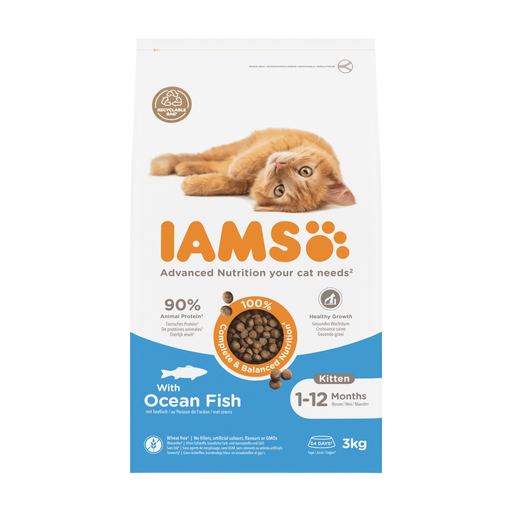
Why it suits this profile: A 3 kg bag is a manageable choice for a first purchase and is suitable for an adult cat that eats dry food every day. According to the brand’s product information, the formula contains 88% animal protein.
The product information states the life stage as “1+ Years” and identifies a tuna variant, so you are less likely to accidentally buy kitten food for an adult cat.
Dry food in a 3 kg pack, with omega 3 and 6 and a fibre blend according to the product description.
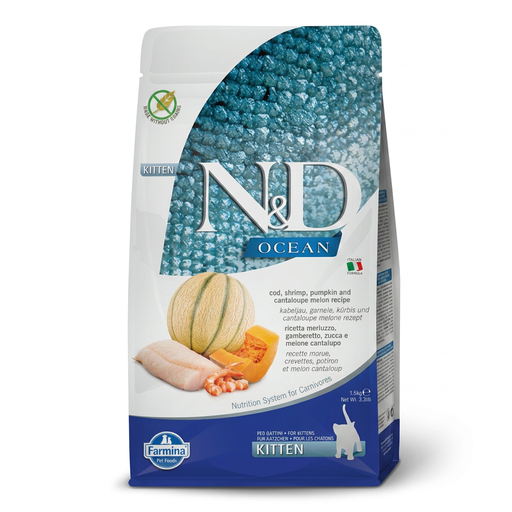
Why it suits this profile: This smaller pack is designed for kittens and, according to the product information, is also suitable for pregnant or nursing cats. The formula contains cod and dried cod as key ingredients.
The packaging and legal product name make the target group clear. This helps prevent you from choosing an adult recipe for a growing kitten.
Grain-free recipe, 1.5 kg pack and, according to the label, DHA, EPA and taurine.
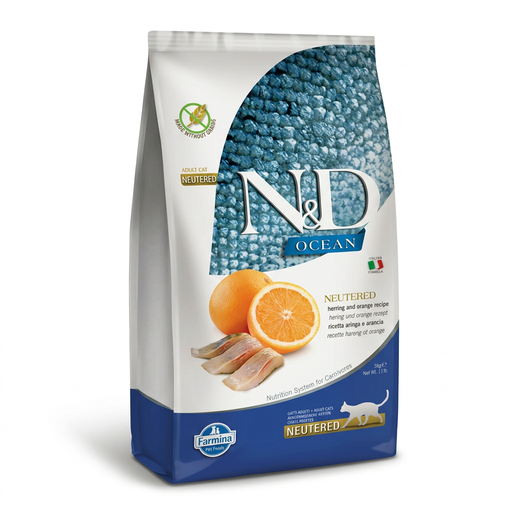
Why it suits this profile: This fish-based cat food is specifically labelled for neutered cats. The 5 kg bag is suitable for households that use the same main food and buy supplies regularly.
The analytical constituents state 46% crude protein, 11% fat and 5.1% crude fibre. This allows you to base your choice on verifiable figures rather than simply on the term “premium”.
Herring as the main ingredient, a grain-free recipe and a formula specifically designed for neutered cats.
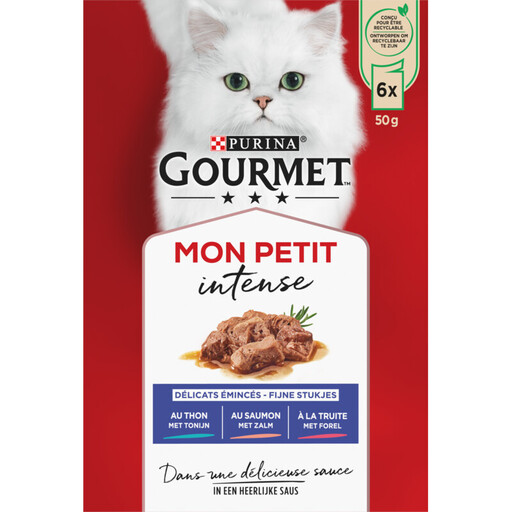
Why it suits this profile: The 50-gram portions are practical for cats that eat several small meals or quickly tire of a single flavour.
Small packs help reduce unused leftovers. The product information also lists separate fish variants containing 4% tuna, salmon or trout.
Complete wet food for adult cats, several fish varieties and 50-gram portions.
We have put together a complete, up-to-date list of products that fully meet these strict selection criteria and the applicable European safety regulations.
That depends on the label. Only choose a product labelled as complete food for the correct life stage. Tuna broth or a complementary snack is not suitable as the sole meal. Also check the portion size, and only combine wet and dry food according to an appropriate feeding plan.
No. Grain-free cat food may suit a specific preference or dietary choice, but the absence of grains alone does not prove that the food is better suited to your cat. Look at the overall recipe, nutritional values and your cat’s tolerance. If problems recur or you suspect a food allergy, it is advisable to consult a vet.
Mix the new food gradually with the current food, preferably over at least seven days. Start with a small amount and increase it step by step. Monitor your cat’s stools, appetite and weight. Always provide fresh drinking water and refrigerate opened wet food according to the instructions on the packaging.
