
Vandaag of morgen in huis

Kwaliteit gegarandeerd

Welkomstaanbiedingen ontgrendelen: GRATIS bezorging | Tot 80% korting | Gratis 30 dagen JoyPlus-proefperiode
Download de app
A firming face cream can make dry skin feel more comfortable and temporarily reduce the appearance of fine lines. However, not every anti-wrinkle cream is suitable for every face. A rich cream may feel pleasant on dry, mature skin, but too heavy on oilier skin. Terms such as “lifting”, “collagen” and “anti-ageing” also reveal little about the formula on their own.
Joybuy Product Recommendation Officer helps you distinguish marketing claims from verifiable product information. This helps you avoid paying for a cream that does not suit your skin type, routine or expectations.
A firming body lotion may contain ingredients also found in facial products, such as Q10, glycerine and vitamin C. That does not automatically mean the lotion is intended for use on the face. For example, NIVEA Q10 Firming Body Lotion was developed for daily use on the body. The packaging states 48- or 72-hour hydration, depending on the variant, but that is no reason to use the product as a face cream.
Always check the intended area of use. Does the product information mention “face”, “gezicht”, “neck” or “décolleté”? If so, it is clearer what the formula is designed for.
According to the product description, a face cream with hyaluronic acid is mainly intended to provide hydration and make the skin’s surface feel plumper. A collagen face cream can care for the skin, but the presence of collagen in the ingredients list does not prove that the skin will produce more collagen structurally.
Claims about firmness, wrinkles or a “lifting effect” should also be read carefully. A brand’s own research, such as an instrumental test or user self-assessment, may report certain visible changes. Such results are not automatically the same for everyone.
A face cream with retinol or glycolic acid may be appealing to people who want to care for their skin texture and fine lines. However, these ingredients can also cause dryness or irritation, especially if your skin is sensitive or its barrier is compromised.
Start with a small amount and do not use the product every day straight away. Retinol is commonly used in the evening. During the day, using a separate sunscreen is advisable. recommends a patch test, introducing its retinol creams gradually and taking care when using them with other retinol, AHA and BHA products.
Choose the texture according to your skin:
“Dermatologically tested” describes a testing procedure, but is no guarantee that everyone will tolerate the product without problems. Stop using it if irritation occurs and check the warnings on the packaging.
A product with a clearly stated concentration is easier to compare. According to the product information, The Retinol 0.1 Cream contains 0.1% retinol; The Retinol 0.3 Cream contains 0.3% retinol. This difference is relevant if you have not used retinol before.
Other examples:
A 50 ml jar, tube or pump bottle each requires a different approach to use. A pump bottle generally limits contact with the contents, while a jar requires a clean spatula or washed hands. Always check the expiry date and period after opening on the packaging.
Use a face cream on cleansed skin. Apply a day cream before make-up and use SPF during the day when the formula contains active ingredients or when your skin reacts sensitively to sunlight. Use a night cream as the final step in your evening routine.
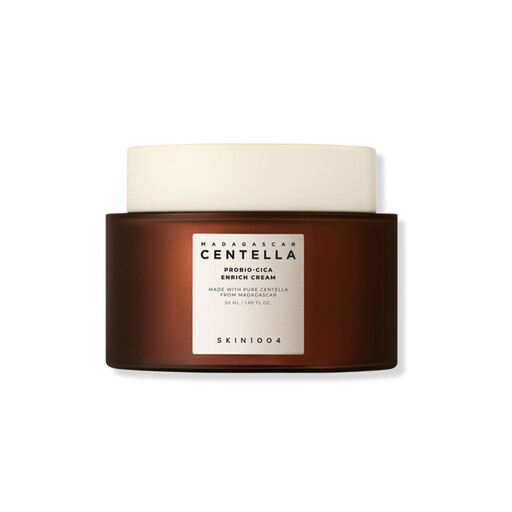
Why it suits this profile: This 50 ml face cream focuses on moisture and comfort. That makes it practical for anyone looking for a simple hydrating face cream for dry or sensitive skin.
The product information explicitly refers to facial skincare and includes glycerine, niacinamide, centella asiatica and ceramide NP. You therefore do not have to rely solely on the term “firming”.
50 ml, vegan according to the product details, dermatologically tested and intended as the final step in your skincare routine.
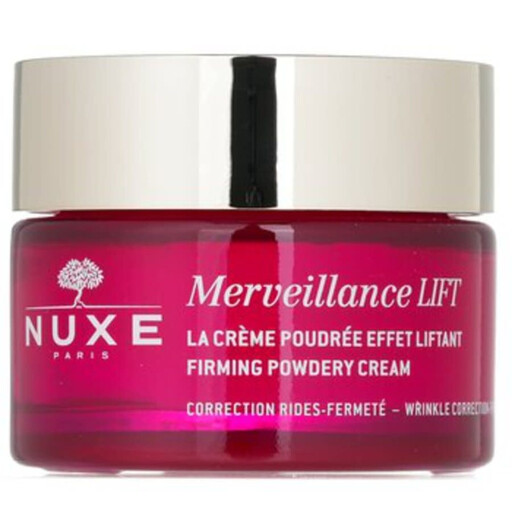
Why it suits this profile: According to the product description, the powdery cream texture is suitable for anyone who wants a well-groomed, less shiny finish and is looking for a cream for mature or less firm skin.
The product details mention a lightweight texture, 50 ml contents, use in the morning or evening and a spatula. However, check whether the fragrance and other ingredients are suitable for your sensitive skin.
Hyaluronic acid and vitamin E are listed; according to the product information, the cream is hypoallergenic, non-comedogenic and dermatologically tested.
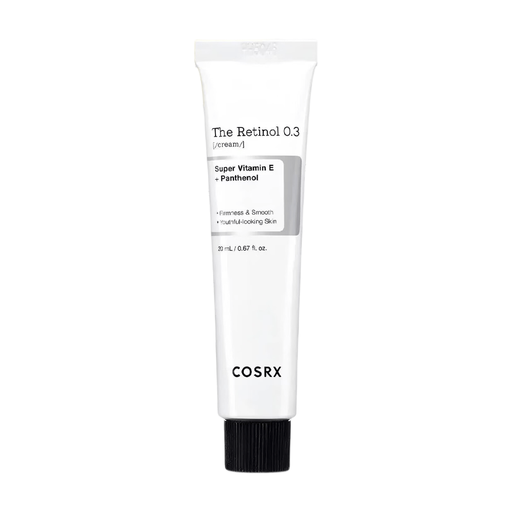
Why it suits this profile: This cream is aimed at users who consciously want to include a retinol product in an evening routine and can introduce it gradually.
The 0.3% retinol concentration is clearly stated. The directions recommend a patch test, starting every other evening and avoiding use with other retinol, AHA or BHA products.
Contains 0.3% retinol, panthenol and several forms of hyaluronic acid according to the ingredients list. Use only as directed on the packaging.
We have put together a complete, up-to-date list of products that fully meet these strict selection criteria and the applicable European safety regulations.
Look for a formula with glycerine, shea butter, squalane, ceramides or hyaluronic acid. A firming night cream is often richer than a day cream. Initially, avoid combining lots of acids, retinol and fragrance if your skin quickly feels tight or becomes red.
That depends on the ingredients. You can usually use a simple hydrating face cream daily as directed on the label. With retinol or glycolic acid, it is wiser to introduce the product gradually. Do not use a larger amount in the expectation that it will work faster; follow the manufacturer’s dosage instructions and warnings.
Check the expiry date and the period-after-opening symbol on the packaging. Store the cream somewhere cool and dry, away from direct sunlight. If the scent, colour or texture changes, or irritation develops, stop using it. An opened jar or tube requires extra care, as contact with air and fingers can affect the formula.
