
Vandaag of morgen in huis

Kwaliteit gegarandeerd

Welkomstaanbiedingen ontgrendelen: GRATIS bezorging | Tot 80% korting | Gratis 30 dagen JoyPlus-proefperiode
Download de app
A firming body lotion can be a useful addition to your daily body-care routine. However, not every lotion is suitable for every skin type or expectation. A lightweight lotion for normal skin feels pleasant, but may not provide enough comfort for very dry skin. A rich body milk may be a better choice for dry skin, but can feel less practical if you want to get dressed soon after applying it.
Packaging can sometimes make it difficult to compare products fairly. So don’t just look for words such as “firming”, “anti-ageing” or “intensive”. Focus mainly on the product information that can be checked.
Many lotions make the skin feel softer and smoother immediately through moisturising agents, oils, butters or silicones. That pleasant feeling does not automatically mean that the skin’s structure has changed permanently. Brands may also cite results from their own studies or instrumental tests. According to NIVEA, for example, the claims relating to Q10 body lotions are based on an in-vitro test and an instrumental test involving a limited number of participants. Treat these results as product information, not as a guarantee for every user.
A Q10 body lotion or body lotion with vitamin C sounds targeted, but the complete formula determines how the product feels. Glycerine, for example, helps the skin feel hydrated, while shea butter, argan oil and other emollients can create a richer texture. Perfume and certain fragrance ingredients may be less suitable if your skin is quick to react. Always check the ingredients list and usage warnings.
A body milk for dry skin is generally richer than a lightweight lotion. This can feel pleasant after showering, especially on the shins, elbows and knees. If you want to get dressed quickly in the morning, choose a formula that, according to the product description, absorbs quickly. If you want to build up a tan, you should also consider a self-tanning body lotion: apply it evenly, wash your hands and wait until the lotion has absorbed to help prevent marks on clothing.
For normal skin, a lightweight, creamy lotion may be enough for everyday use. For dry or very dry skin, a body milk, body cream or richer lotion is often a more logical choice. Look for ingredients such as glycerine, shea butter, argan oil, mineral oil or nourishing plant oils. The presence of an ingredient does not tell you everything; its position in the ingredients list usually gives you a better indication of the amount used.
A moisturising body lotion mainly reduces feelings of tightness and helps the skin feel supple. A product for body care for mature skin may also contain ingredients such as Q10, niacinamide or pomegranate extract. Always check that the texture and fragrance suit your preferences.
Choose one main goal for your routine:
An anti-stretch-mark body cream or body lotion for pigmentation marks is not a substitute for sun protection. Changes in pigmentation can have various causes. If irritation persists or you notice unusual changes to your skin, seeking advice from a doctor or pharmacist is wiser than repeatedly trying a different cosmetic product.
Compare the amount with the price. A 400 ml pump bottle is practical for everyday use and can make hygienic dispensing easier. A 200 ml or 240 ml tube is more convenient to take with you, but may work out more expensive per millilitre. Also check the shelf-life information on the packaging and the recommended storage temperature.
Apply body lotion to clean, dry skin and massage in gently. Applying it immediately after showering can feel pleasant, but when using a self-tanner, wait until your skin is completely dry. If you are sensitive to perfume or cosmetic ingredients, test a new product on a small area of skin first.
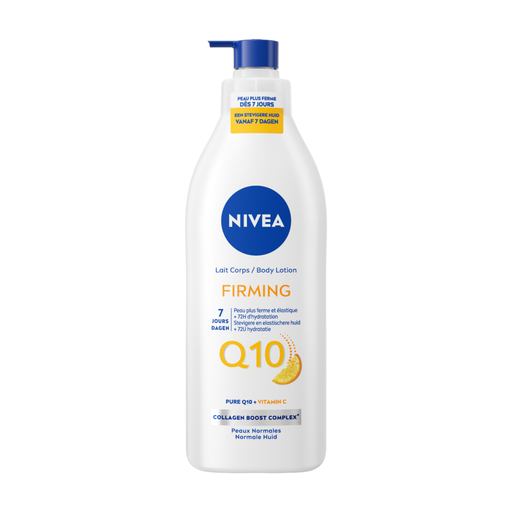
Why it suits this profile: The pump and size are practical for everyday use on the arms, legs and torso. According to NIVEA, the formula contains pure Q10 and vitamin C and is intended for normal skin.
The product information states the skin category, size and test basis. This allows you to distinguish the firming claim from its everyday moisturising function.
400 ml, pump packaging, glycerine, Q10 and vitamin C; according to the product description, it has a lightweight texture.
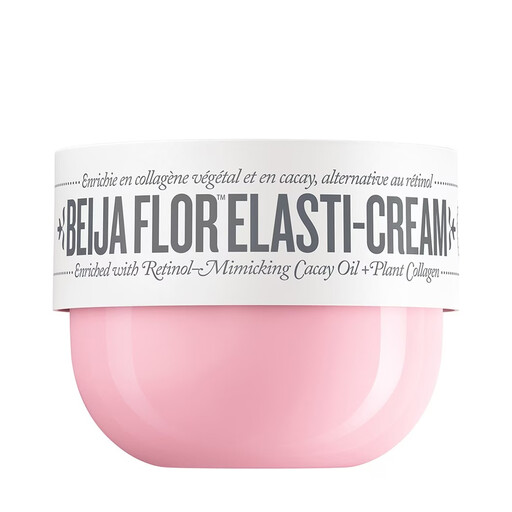
Why it suits this profile: This body cream is designed to provide richer care with a fast-absorbing texture. The product description mentions butters and botanical oils and states that it is suitable for all skin types.
The description distinguishes between skin feel, texture and skincare purpose. The collagen-support claim comes from the brand and is not a guarantee of visible results.
240 ml, cream consistency, floral fragrance and, according to the product specifications, vegan and free from parabens and sulphates.
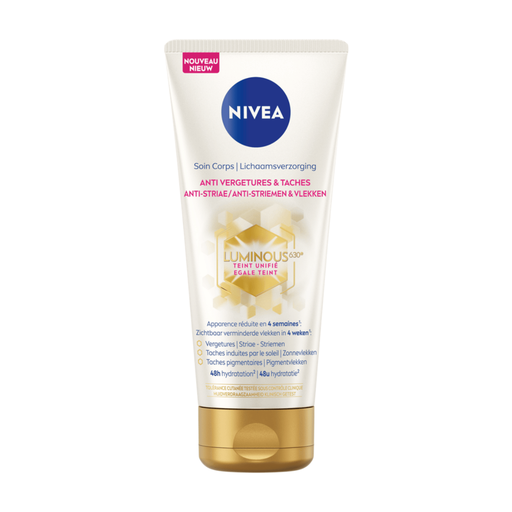
Why it suits this profile: This body cream is intended for anyone looking beyond hydration to specifically target stretch marks, sun spots and pigmentation marks. According to NIVEA, their visibility may be reduced after four weeks.
The formula and intended use are clearly described. The results are brand claims; stop using the product if irritation occurs and avoid contact with the eyes.
200 ml, 48-hour hydration according to the product description and a lightweight texture for everyday use.
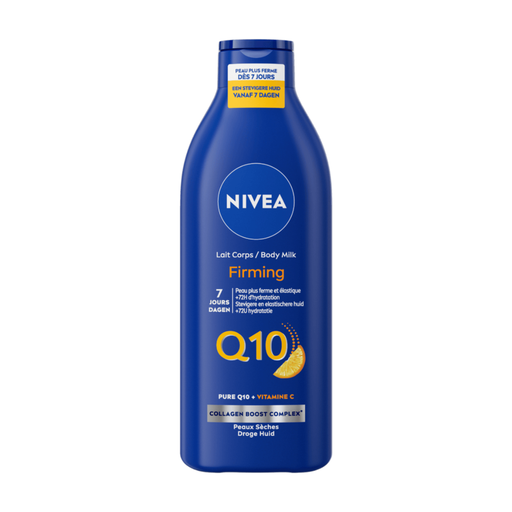
Why it suits this profile: This richer body milk is designed for dry skin and everyday use. According to NIVEA, the formula contains Q10 and vitamin C and provides up to 72 hours of hydration according to the stated instrumental test.
The skin category and texture are clearly stated. This helps you avoid choosing a lightweight lotion when you are actually looking for more intensive nourishment.
400 ml, suitable for dry skin according to the product listing, with Q10, vitamin C and a rich yet fast-absorbing texture.
We’ve put together a complete, up-to-date list of products that fully meet these strict selection criteria and the applicable European safety regulations.
A lotion can make the skin feel softer, smoother and better hydrated immediately. Brands may also communicate results relating to elasticity or firmness based on their own studies. According to NIVEA, some Q10 claims are based on instrumental tests involving limited participant groups. Results vary depending on your skin and routine. So primarily expect skincare and a supple skin feel, rather than a guaranteed structural change.
For most products, applying it daily to clean skin is the recommended routine. Massage the lotion in gently, especially on dry areas. When trying a new formula containing perfume or active ingredients, you can test it on a small area first. If your skin is prone to pigmentation, also use suitable sun protection during the day; body lotion does not automatically provide protection from the sun.
Not necessarily. Body milk is usually richer and may feel more comfortable if your skin feels tight or rough. Lotion is often lighter and absorbs more quickly. Compare the ingredients, texture, size and directions for use. The right choice is the one you are happy to use consistently and that suits your skin’s needs.
