
Vandaag of morgen in huis

Kwaliteit gegarandeerd

Welkomstaanbiedingen ontgrendelen: GRATIS bezorging | Tot 80% korting | Gratis 30 dagen JoyPlus-proefperiode
Download de app
A finger pulse oximeter can quickly give you an indication of your blood oxygen saturation level and heart rate at home. That sounds simple, but not every device is equally comfortable or easy to use. A small screen, a poorly fitting clip or unclear product information could lead to an inaccurate reading or make the figures difficult to read.
This guide will help adults, parents and carers choose a suitable finger oxygen monitor. It focuses on product specifications you can check, safe use and spotting marketing claims.
A manufacturer may promote a pulse oximeter with a large LED screen, but also check whether you can see the figures clearly from your usual sitting position. Pay attention to how the readings are displayed too: are oxygen saturation and heart rate easy to tell apart?
A large screen is particularly useful for people with poor eyesight or when a carer needs to read the results from a short distance away.
Terms such as “clinical accuracy” should always be considered alongside the product information, instructions for use and any supporting evidence provided by the manufacturer. According to Yuwell’s product information, this model is CE certified and its performance is supported by clinical studies. This is information from the brand, not a substitute for professional medical advice.
A home-use saturation monitor is also not intended to diagnose a medical condition or provide continuous monitoring. Cold fingers, movement, nail polish, a loose fit or poor circulation can affect the reading.
With a pulse oximeter for adults and children, the fit matters. A clip that’s too large may be uncomfortable for a young child or may not fit securely. Check that the manufacturer explicitly states that the device is suitable for adults and children, and that the finger fits fully inside the silicone measuring chamber.
If you’re concerned about symptoms or unusual readings, contact a doctor or NHS 111. Don’t use a blood oxygen monitor as a reason to delay necessary medical help.
Choose a device with a soft, well-enclosed finger chamber. A light-blocking silicone chamber can help reduce ambient light and make the device more comfortable to use. Place your finger fully inside the clip and keep your hand still.
A suitable finger heart rate monitor shouldn’t pinch, but it shouldn’t be so loose that your finger moves during the reading.
Look for:
A large display is useful at home, but also check whether the screen rotates automatically or shows the information in a fixed orientation.
Check which batteries the device needs and how it saves power. According to the product description, the Yuwell model uses two AAA batteries and switches off automatically after eight seconds of inactivity. This stops the device being left on unnecessarily.
Also check whether batteries are included, whether there’s a carrying lanyard and whether the instructions clearly explain how to take a reading.
The selection below is based on the available product information. Only the first product is a finger pulse oximeter. The other two items are homeware products, so they’re not alternatives to an oxygen or saturation monitor.
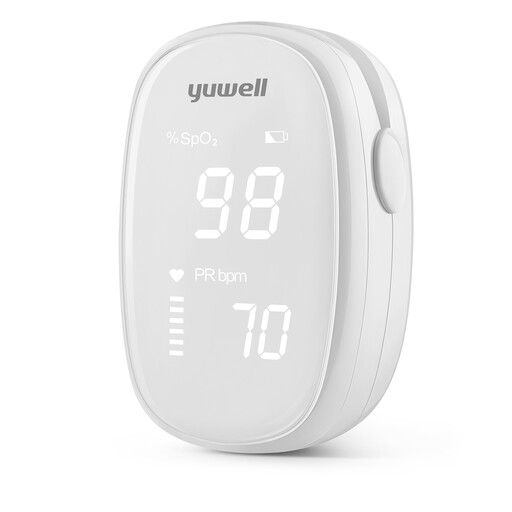
Why it suits this profile: This model is designed for straightforward home use and, according to the product description, features a large LED screen, two AAA batteries and automatic shut-off.
The light-blocking silicone chamber and stated suitability for adults and children address two important questions when buying: fit and protection from ambient light.
Ultra-lightweight design, large LED display, automatic shut-off after eight seconds and AAA batteries included, according to the product information.
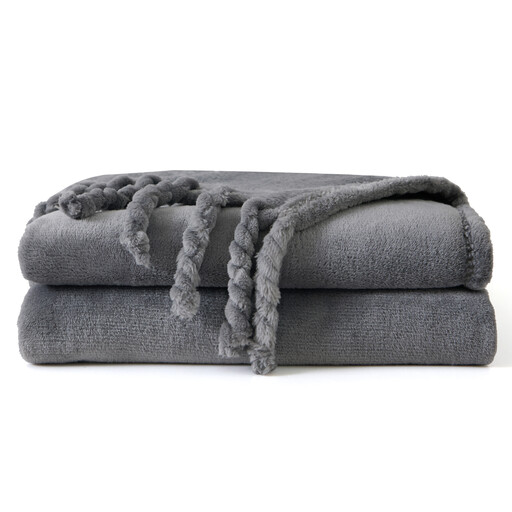
Why it suits this profile: This is a fleece throw for the sofa, bed or taking with you when you’re out and about, not an oxygen saturation monitor. Choose it only if you’re looking for home textiles.
It helps you avoid a different buying mistake: this item is clearly not presented as a medical monitor. It’s not an alternative to a blood oxygen monitor.
Measures 127 × 152 cm and has a lightweight fleece design, according to the product name. Not suitable for oxygen readings.
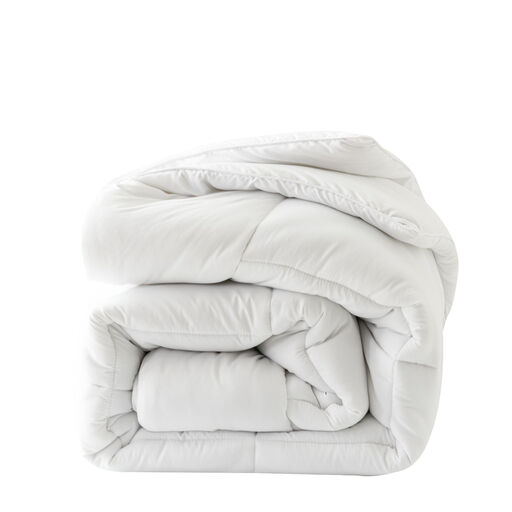
Why it suits this profile: This duvet is designed for use on a bed, not for measuring heart rate or oxygen saturation. Don’t use it as a medical saturation monitor.
The product category and dimensions make it clear that this is bedding. If you’re looking for a finger pulse oximeter, skip this item.
Microfibre, 15 tog and measures 155 × 200 cm, according to the product name. It doesn’t measure oxygen levels or heart rate.
We’ve put together a complete, up-to-date list of products that meet these strict selection criteria and comply with the applicable European safety regulations.
Don’t use the device near MRI or CT equipment. Stop using it if you experience skin irritation, and keep it out of children’s reach. The product information also states that the device isn’t intended for continuous monitoring or for making a medical diagnosis yourself.
Its lifespan depends on how often it’s used, battery consumption, storage and the quality of its casing. Store the device in a dry place, avoid dropping it and remove the batteries if you won’t be using it for a long time. Always check the product label for warranty and shelf-life information.
Only if the manufacturer states that the model is suitable for children and the finger fits properly in the measuring chamber. If the clip is too large, it may be less practical to use. Keep young children still while taking a reading, and don’t use the result as a substitute for medical advice.
Aside from the purchase price, you’ll usually only need batteries. A model with automatic shut-off, such as the Yuwell model according to its product description, can help reduce unnecessary battery use. Actual battery life varies depending on the brand, battery type and how often you take readings.
