
Hosts catering for different bread preferences
If some guests prefer soft white bread and others want wholemeal, serving two clearly different loaves makes it easy for everyone to choose. White bread alongside fine wholemeal is one option.


If your guests have different bread preferences, serve a familiar white loaf alongside fine wholemeal or wholemeal bread. If you’d rather serve just one loaf, consider fine wholemeal if everyone is happy with the different taste and texture. For seeded bread and ciabatta, check the packaging first to see what type of bread they are.
If some guests prefer soft white bread and others want wholemeal, serving two clearly different loaves makes it easy for everyone to choose. White bread alongside fine wholemeal is one option.
If you’re looking for a finer crumb, consider fine wholemeal rather than judging by a light colour or the word ‘seeded’ in the name. Fine wholemeal still tastes and feels different from white bread.
If wholemeal is your priority, the bread description and ingredients on the current packaging matter more than the colour, seeds or mention of sourdough. Albert Heijn also points out that these features don’t automatically mean a loaf is wholemeal.
First decide whether you want to serve one loaf for everyone or offer two familiar choices. Then check the type of bread on the label and choose an amount that suits your table.
When: if your guests have different preferences, two loaves give everyone a clear choice.
Consider: serving two types means choosing the right sizes carefully, so you don’t end up with more than you need.
When: if you want to serve one loaf and everyone is happy with wholemeal and a finer crumb.
Consider: a finer crumb doesn’t make the bread taste or feel like white bread.
| What to consider | What to check when buying | Who it matters to |
|---|---|---|
| An accessible bread choice | If you specifically want to offer white bread, check that ‘white’ is clearly stated in the bread description. | When I put bread out for fussy eaters, I want them to be able to choose an option they know. This accessibility is a priority for around 33% of consumers. |
| A clearly labelled wholemeal option | Look for the word ‘wholemeal’ and read the ingredients; colour and seeds are no substitute. | Those who mainly want to offer wholemeal are happy to accept a different taste and crumb from white bread. Around 42% of consumers prioritise a wholemeal option. |
| Variety and quantity | Compare half and whole loaves if you want to serve two types, and follow the storage instructions on the packaging. | For a small table, I want to give guests a choice without having lots of bread left over. Getting the types and quantities right matters most to around 25% of consumers. |
If you’re looking specifically for wholemeal bread, a loaf’s appearance or name can be misleading. For example, Albert Heijn describes one of its seeded loaves as white seeded bread.
Use the word ‘wholemeal’ as your first clue, then read the ingredients on the packaging.
A loaf that feels familiar to one guest may not meet another guest’s preference for wholemeal.
If your guests have different preferences, it’s better to serve a familiar white loaf alongside fine wholemeal or wholemeal bread.
With two large loaves, you’re more likely to have bread left over after the meal.
Offering several types is less practical if a large amount is left over after the meal.
Choose the number and size of loaves to suit your guests. Consider half loaves if you want to serve both white and wholemeal, and follow the storage advice on the packaging.
The Netherlands Food and Consumer Product Safety Authority explains that iodine compounds may be present in bread only through baker’s salt. This doesn’t mean that every individual loaf contains that salt.
If you want to know which salt was used in a particular loaf, check the packaging or ask the baker.
These retailer brands give you an idea of the types of bread you can compare. Check the description and packaging of the product you actually choose.
Worth considering for a table with white bread and a separate wholemeal option.
A useful place to compare white, brown and fine wholemeal loaves.
Worth considering if you’re looking for wholemeal bread made with more finely milled flour.
An option for comparing white bread with fine or other wholemeal loaves.
Useful for comparing fine wholemeal with other bread ranges for your table.
A useful option for a simple combination of white, wholemeal and, if you like, baguette.
These breads work well for a table where you want to serve ciabatta alongside a separate wholemeal option. Lebanese flatbread is a different type of bread from a whole loaf. Check the ciabatta packaging to see whether it meets your requirements.
 No image available
A wholemeal option to serve alongside a separate white loaf. This is Lebanese flatbread, not a conventional whole loaf.
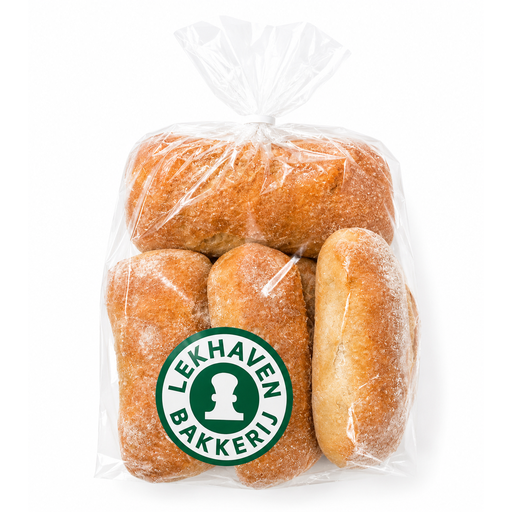 No image available
Four individual ciabattas to serve with your meal. Allow time to defrost and bake according to the product instructions. If you specifically want to serve white or wholemeal bread, check the packaging.
 No image available
A 550 g round wholemeal loaf to serve alongside a separate white loaf. Allow time to defrost and bake according to the product instructions.
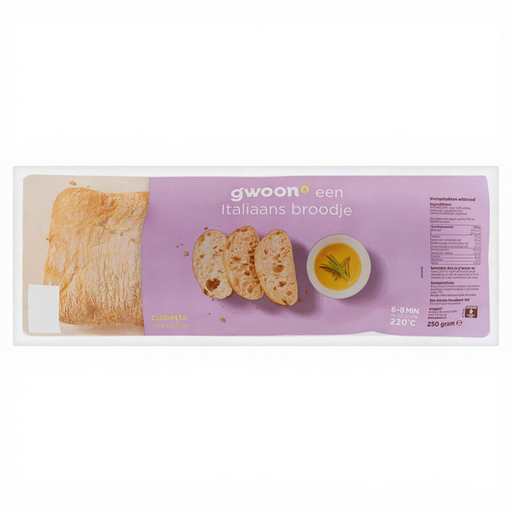 No image available
A 250 g ciabatta to serve with your meal, perhaps alongside a separate wholemeal loaf. Check the packaging if you want to find out whether this ciabatta is white or wholemeal.
No. Seeds alone don’t tell you whether bread is wholemeal. Albert Heijn explicitly describes one of its own seeded loaves as white seeded bread, so look for the word ‘wholemeal’ and read the ingredients on the current packaging.
If you want to cater for both preferences, serve a familiar white loaf alongside fine wholemeal or wholemeal bread. If you’re buying just one loaf, fine wholemeal is an option if everyone is happy with its different taste and texture. Choose a size to suit your group.
That doesn’t follow from the rule described by the Netherlands Food and Consumer Product Safety Authority: iodine compounds may be present in bread only through baker’s salt. If you want to know what was used in a specific loaf, check the packaging or ask the baker.
Read the allergen information for the exact loaf you’re buying on its current packaging. A general description such as white, wholemeal or seeded won’t tell you which allergens the specific product contains.