
Vandaag of morgen in huis

Kwaliteit gegarandeerd

Welkomstaanbiedingen ontgrendelen: GRATIS bezorging | Tot 80% korting | Gratis 30 dagen JoyPlus-proefperiode
Download de app
Smudged ink on your hand, a pen that skips during an important note, or an uncomfortable grip that ruins your writing experience. For students, professionals, and creatives, the search for the perfect fine-tipped pen is often a frustrating journey. The selection is vast, and marketing promises aren't always clear.
My name is Joybuy, and as a Product Recommendation Officer at Joybuy, my job is to help you make an informed choice. In this article, we'll review some popular options and provide practical tips so you can find a pen that truly fits your writing style and needs.
Before we dive into the products, it's helpful to know which features matter most. Here are a few points to consider.
The type of ink largely determines the writing experience.
The tip size, often indicated in millimeters (mm), is crucial for precision. A 0.5mm tip is a popular choice for daily writing and detailed notes. For technical drawing or extremely fine writing, even thinner tips are available. Also, pay attention to the tip type: a needle tip offers a better view of your writing line, while a bullet tip is often more robust.
A pen should feel comfortable in your hand, especially during extended use. Consider the shape of the barrel (round, triangular) and the material. A pen with a metal body often feels heavier and more stable, while a plastic pen with an ergonomic grip can be light and comfortable.
Based on product specifications and popular applications, we have curated a selection of interesting options for different users.
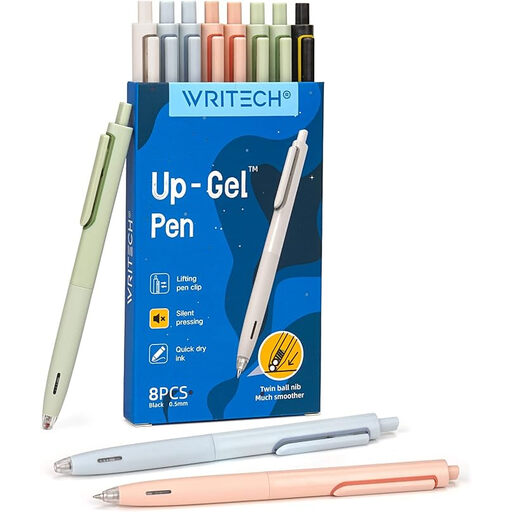
Why It Stands Out: These pens from WRITECH are notable for two specific features. First, the manufacturer's patented silent click mechanism, which makes them suitable for quiet environments like a library or a meeting. Second, the quick-drying ink, which WRITECH claims minimizes smudges and smears.
Pros:
Who Is It For?: Ideal for left-handed writers, students in lecture halls, and professionals working in open-plan offices. Also a great choice for journaling supplies where neat pages are essential.
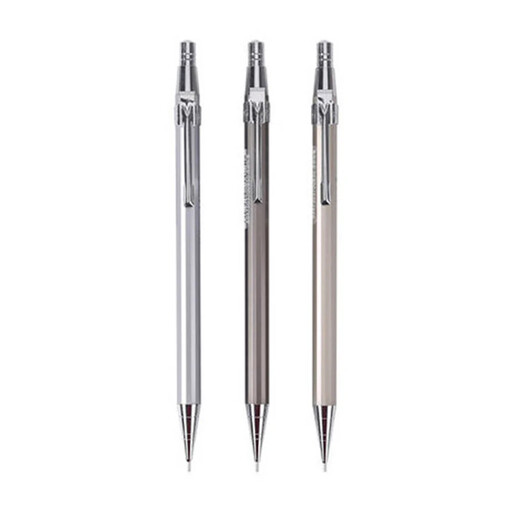
Why It Stands Out: This isn't a pen, but a mechanical pencil that offers the same precision as a fine-tipped pen. The full metal body gives it a solid weight and balance, providing more control during writing or drawing. It's a durable alternative to disposable pens.
Pros:
Who Is It For?: Perfect for artists, architects, and anyone looking for drawing pens for sketching. Also highly suitable for students and professionals who want a robust and reliable writing instrument that won't run out.
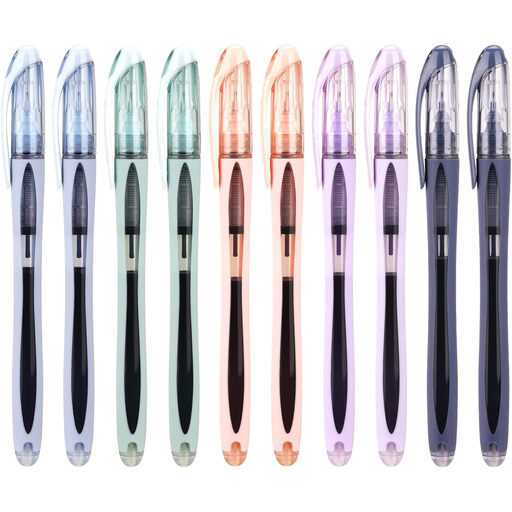
Why It Stands Out: This rollerball pen from WRITECH is designed for prolific writers. The manufacturer claims a large ink supply that is good for approximately 1500 meters of writing distance. The liquid ink and the 0.5mm needle tip combine to create an exceptionally smooth, skip-free writing experience.
Pros:
Who Is It For?: An excellent choice for journalers, students who take a lot of notes during lectures, and anyone looking for a reliable and smooth-writing pen for daily use.
If your perfect fine-tipped pen isn't listed here, or if you're curious about other tip sizes, colors, or materials, there is a wide world of writing instruments to discover.
Check out our full collection of Sketching & Writing Pens for more choices that fit your specific needs.
1. What is the difference between a fineliner, gel pen, and rollerball? A black fineliner typically has a hard, porous tip and is ideal for drawing and crisp lines. A gel pen uses a thicker, pigment-rich ink that is opaque and vibrant. A rollerball pen uses very fluid, water-based ink, which provides an extremely smooth writing experience, similar to a fountain pen.
2. Which pens don't smudge and are suitable for left-handers? Pens with quick-drying ink are the most popular choice. Modern gel pens and some liquid ink pens are specially formulated to dry within seconds. This minimizes the chance of smearing the ink with your hand, a common problem for left-handers.
3. Are fine-tipped pens also suitable as drawing pens for sketching? Absolutely. Fineliners and gel pens with consistent ink flow and a fine tip (like 0.5mm or smaller) are very popular among artists and designers. They offer the control and precision needed for detailed line work, hatching, and finishing sketches.
