
Vandaag of morgen in huis

Kwaliteit gegarandeerd

Welkomstaanbiedingen ontgrendelen: GRATIS bezorging | Tot 80% korting | Gratis 30 dagen JoyPlus-proefperiode
Download de app
Filter coffee is a convenient choice for home, the office and smaller households. You don’t need to deal with complicated settings, and you can easily make several cups at once. Still, it’s not always clear which ground coffee, grind or coffee maker is right for you.
Marketing copy often focuses on aroma, premium beans or a bold flavour. That doesn’t always tell you what you need to know for everyday use. Keep an eye out for these three common pitfalls:
Choose coffee clearly labelled as filter coffee or coffee for a filter coffee machine. Most pre-ground coffee in this category is suitable for a drip coffee maker, pour-over, percolator or French press, but always check the product packaging.
A standard dose is often around 7 grams of coffee per cup. The final flavour also depends on the amount of water, brewing time and temperature. For a pour-over, it’s best to use hot water that has stopped boiling. Some products recommend letting the coffee bloom briefly before adding the rest of the water.
Bear in mind that “coffee beans, ground” only means that the beans have already been ground. It doesn’t automatically tell you whether the grind size is right for your brewing method. For example, a product labelled “coarse grind” is more coarsely ground than regular quick-filter coffee.
Arabica coffee is often described as having milder, fruity or floral notes. According to product descriptions, Robusta coffee can offer a bolder character and more body. Blends of the two are common in Dutch filter coffee.
Also check the roast:
Flavour intensity scores aren’t universal. A score of 5 on a scale of 1 to 9 can’t be directly compared with a score of 7 on a scale of 1 to 10. Use these scores mainly to compare products from the same brand.
A 250 g pack of coffee is a good choice if you drink coffee occasionally or like to try different flavours. A 500 g bag of coffee is better suited to everyday use, a family or a small office. A 1000 g pack may be appealing if you use a lot of coffee, but only if you’ll get through it quickly.
Store ground coffee in a cool, dry place, away from direct sunlight and heat. Seal the pack tightly after each use. For some varieties, such as Douwe Egberts Decaf, the product information says the coffee tastes best for around two weeks after opening if it’s kept tightly sealed. Always check the date and instructions on the packaging.
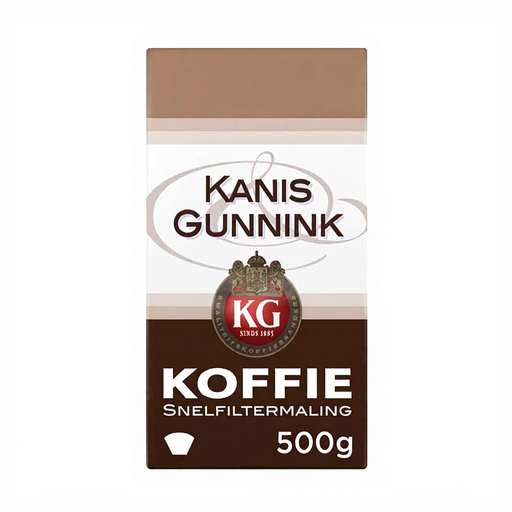
Why it suits this profile: The 500 g pack is practical for everyday use at home or in the office. The coffee is finely ground and sold as filter coffee.
The product name makes the intended use and quantity clear. That makes it less likely you’ll accidentally buy whole coffee beans or an espresso grind.
500 g pack; finely ground; listed as containing coffee beans.
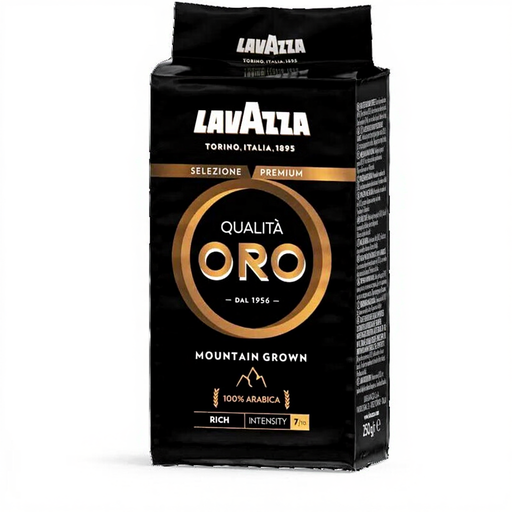
Why it suits this profile: According to the product description, this variety is made from 100% Arabica and has fruity and floral notes. The 250 g pack is a manageable size if you like to keep trying different coffees.
The origin and bean information is clearly set out. You can make your choice based on the ingredients and flavour description, rather than relying on marketing claims alone.
100% Arabica according to the product information; 250 g; packed in a protective atmosphere.
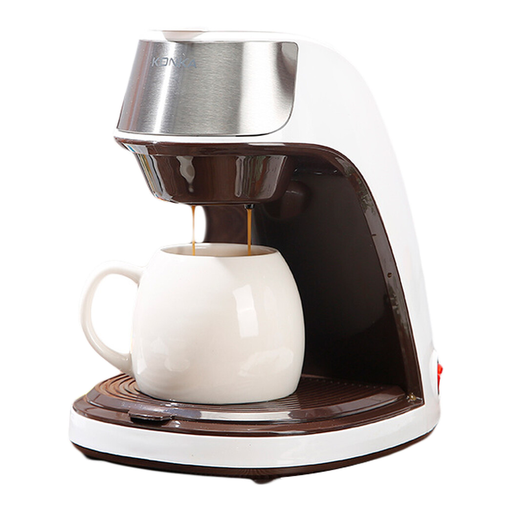
Why it suits this profile: This compact coffee maker is designed to brew a small 300 ml portion. It’s a good fit for a small household, a desk or a kitchen with limited space.
The capacity is clear upfront. So you won’t end up buying an appliance with a large pot when you usually only need one cup or a small serving.
300 ml capacity; automatic shut-off to prevent dry boiling according to the product description; ceramic cup included.
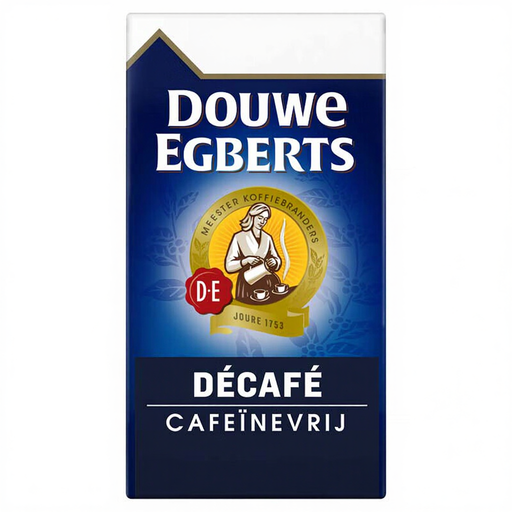
Why it suits this profile: According to the product information, this ground coffee is decaffeinated and suitable for a filter coffee machine, French press, AeroPress, percolator and Chemex.
The product information clearly states that it’s decaffeinated. When it arrives, check the label and ingredients list as well.
500 g pack; medium roast according to the description; resealable packaging and several brewing methods.
We’ve put together a complete, up-to-date list of products that meet these strict selection criteria and current European safety regulations.
A common guideline is around 7 grams per cup, or one measuring scoop or two level tablespoons. Adjust the amount to suit your taste, cup size and the volume of water.
This depends on the packaging, storage and best-before date. Keep the coffee in a cool, dry place and seal it tightly. Once opened, try to use the pack regularly so the coffee is exposed to air for less time, helping to preserve its aroma and flavour.
It depends on the dose, appliance and type of coffee. A basic filter coffee maker generally has fewer parts and features than an automatic coffee machine. Focus on comparing the purchase price, coffee consumption, filters and maintenance required.
