
If you make one mug at a time
You usually make coffee for one and don't want any left over. Melitta describes the Aromaboy as making up to two cups, while the Moccamaster Cup-One brews straight into a mug.


Choose your machine based on how much coffee you make each time: a machine for one mug, a small jug for a few people, or an adjustable model if you want to change the brewing variables. Also check the filter size, the space available on your worktop and whether coffee can stay in a jug during a meeting. Manufacturer descriptions are not a taste test comparing different models.
You usually make coffee for one and don't want any left over. Melitta describes the Aromaboy as making up to two cups, while the Moccamaster Cup-One brews straight into a mug.
You serve a few cups at once and want each batch to suit the number of people. Melitta and Moccamaster describe models and settings for a range of smaller and larger quantities.
You want to deliberately adjust the settings between batches. For the Precision Brewer Thermal, Sage lists adjustable parameters including temperature, bloom time and flow rate.
Choose this option: if you make no more than two cups per batch, or want to serve a few cups at once.
Keep in mind: Melitta lists a maximum of two cups for the Aromaboy and two to five cups for the Single 5. Check that the stated quantity suits your mugs.
Choose this option: if you make coffee for one person at a time and don't want to use a jug.
Keep in mind: Moccamaster describes the Cup-One as a machine that brews straight into a mug. You’ll need to brew another batch for the next person, and the model uses no. 1 filter paper.
Choose this option: if you alternate between making a few cups and filling a larger jug.
Keep in mind: Melitta describes the One as having a slower flow rate for two to five cups. Moccamaster positions the KBG Select for four to ten cups and recommends the Cup-One for smaller amounts.
Choose this option: if you want to adjust the temperature, bloom time or flow rate.
Keep in mind: Sage lists the Precision Brewer Thermal’s capacity as 1.7 litres. Consider whether that capacity and its dimensions suit the way you use it in the studio. Adjustability alone doesn’t guarantee better flavour.
| What to consider | What to look for | Who it matters to |
|---|---|---|
| Amount per batch | Compare the amount brewed each time with your mugs and the number of people. | If I usually make one mug, I don’t want to have a larger amount left over. Around 36% of consumers say that making one mug is their main reason for buying. |
| Making a few cups at once | Check the stated quantity and whether the model has a suitable small-batch setting. | If I’m serving coffee to a small meeting group, I want to make it all in one batch. Around 29% of consumers prioritise making a few cups at once. |
| Adjustable brewing variables | Check which parameters you can actually adjust and whether you want to use them between successive batches. | If I want to compare batches, I want to be able to change the settings deliberately. Around 21% of consumers say adjustable brewing is their main requirement. |
| Space, filters and cleaning | Check the dimensions, filter size and which parts need cleaning after use. | If the worktop is shared, I want to make it easy to accommodate the machine and clean it. Around 14% of consumers prioritise limited space and easy maintenance. |
A model with a larger jug isn’t automatically suitable for making one mug. Melitta lists a maximum of two cups for the Aromaboy, while Moccamaster positions the KBG Select for four to ten cups.
Make a note of how many millilitres you usually need per batch and compare this with the small-batch function on the exact model.
Melitta lists filter size 100 for the Aromaboy and 102 for the Single 5. Moccamaster specifies no. 1 filter paper for the Cup-One.
Check the filter size for the version you’ve chosen before buying filters.
The Dutch Consumers’ Association warns that leftover coffee residue can leave a bitter aftertaste. If coffee is left standing during a meeting, it’s worth thinking about cleaning and storage.
Serve small amounts straight away. If the meeting is longer, consider whether a suitable thermal jug would work better for you.
Melitta describes several options for smaller quantities: the Aromaboy for up to two cups, the Single 5 for two to five cups, and the One with a small-batch mode.
Moccamaster describes the Cup-One as a machine that brews straight into a single mug. The manufacturer positions the KBG Select for a half or full jug of four to ten cups.
Sage describes the Precision Brewer Thermal as a model that lets you adjust settings including bloom time, temperature and flow rate.
These Joybuy product picks are intended for making filter coffee by the mug or in small batches; check that the quantity suits your meeting for each model.
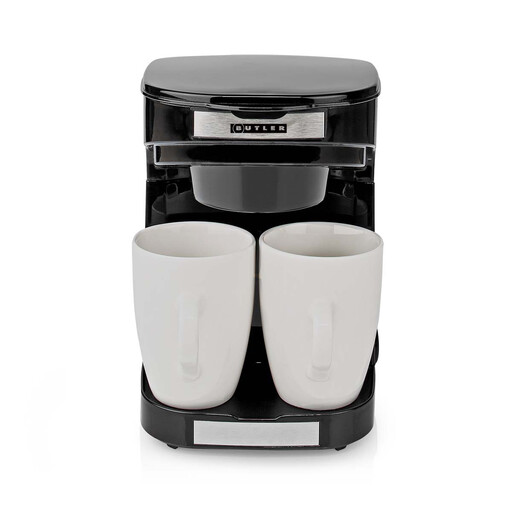 Image unavailable
The stated capacity of 0,25 litres and the two cups included make this a good fit if you want to brew small batches.
The product name lists 450 W and automatic shut-off.
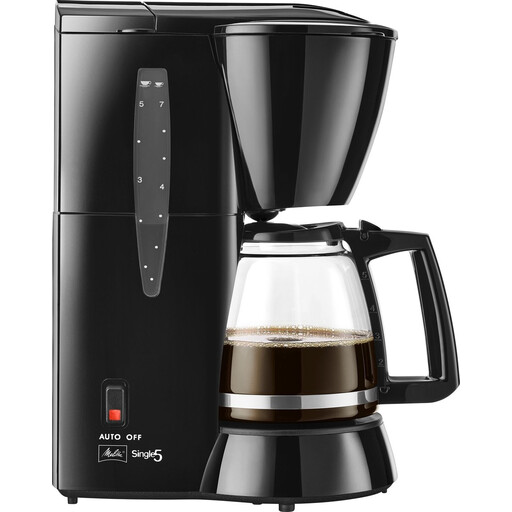 Image unavailable
The Single 5 is an option if you want to make a few cups at once; compare the amount you need with the capacity of your own mugs.
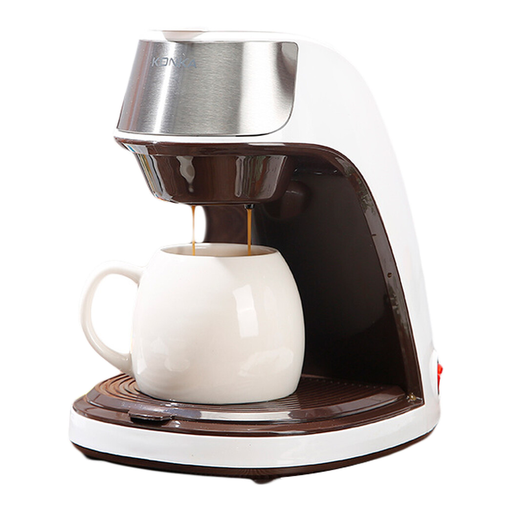 Image unavailable
The stated capacity of 300 ml may suit a small batch; check that it’s enough for your mug.
The product name lists a capacity of 300 ml.
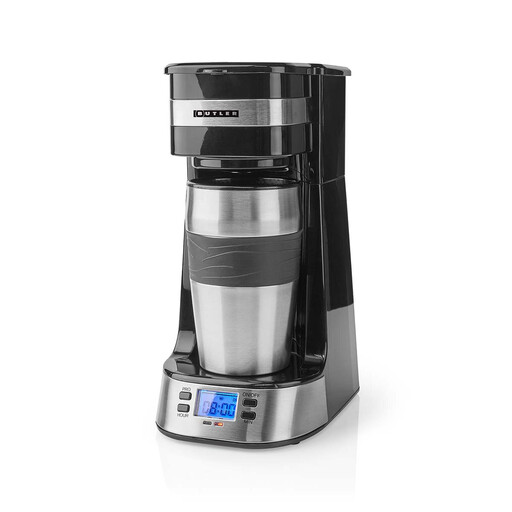 Image unavailable
This machine is specified for one cup per brew; the description says it’s for domestic use only and excludes commercial use.
The product name lists a 0,4-litre insulated travel mug, a timer, automatic shut-off and an LCD display.
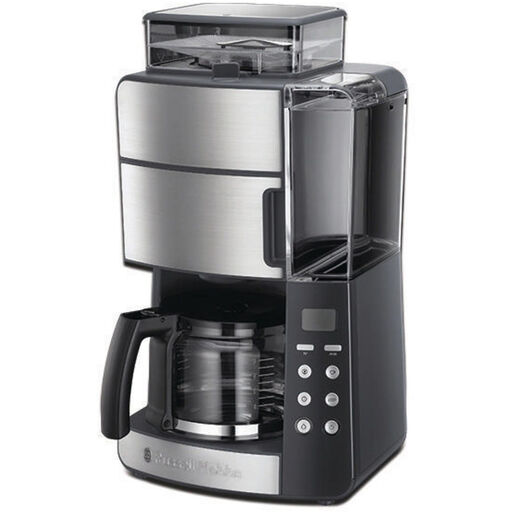 Image unavailable
This model may suit you if you want to grind coffee beans and adjust the quantity or strength; consider whether you need these features for small batches.
The product name lists an integrated grinder.
Not necessarily. The Dutch Consumers’ Association uses 125 ml as the measure for a traditional cup of filter coffee; Melitta lists a maximum of 650 ml and two to five cups for the Single 5. Compare the stated millilitres with the mugs you actually use.
Follow the instructions for your chosen model before using it for the first time and when descaling it. Keep the jug and filter holder clean; the Dutch Consumers’ Association warns that coffee residue can leave a bitter aftertaste.
No. For consumer purchases in the Netherlands, your statutory rights against the seller are separate from any manufacturer’s warranty; what you could reasonably expect from the product is what matters. If you’re buying it for business use in a studio, ask which terms apply rather than assuming consumer rights automatically cover a business purchase.
Business.gov.nl explains that manufacturers and traders of electrical appliances must comply with the relevant European rules. Once the product has been assessed, the manufacturer affixes a CE mark and draws up an EU Declaration of Conformity. A product listing alone doesn’t prove that a specific item on offer complies.