
Host with lots of coffee drinkers
You want to brew enough coffee for each round, so you work in litres and use the capacity of your own cups. The Consumentenbond recommends considering how much coffee you want to make when choosing a machine.


Start by working out how much coffee you need per brew: compare the capacity in litres with the number of guests and the size of their cups, rather than relying solely on the stated cup count. Choose a thermal carafe if guests will be pouring at different times or if you want to serve coffee at the table. A glass carafe with a warming plate may be suitable if you’ll be pouring from the machine shortly after brewing. Also check how the exact model is operated and cleaned, and which filters or replacement parts you’ll need.
You want to brew enough coffee for each round, so you work in litres and use the capacity of your own cups. The Consumentenbond recommends considering how much coffee you want to make when choosing a machine.
Guests will be pouring at different times. A portable thermal carafe may be more practical than a glass carafe left on the machine’s warming plate.
You’re looking for simple controls, an easy-to-handle carafe and parts that are easy to clean after brunch. The Consumentenbond highlights filling, the filter holder and cleaning as points to consider when choosing a coffee maker.
First, work out how much coffee you’ll need per brew. Then choose a carafe type based on where and when guests will pour, and consider the controls, cleaning and supplies needed for regular use.
| What to consider | What to look for | Who is this important for? |
|---|---|---|
| Amount per brew | Note the number of cups and their capacity; compare the volume you need in litres with the carafe capacity. | If I want enough coffee for the busiest round, I work out the capacity of our cups. Around 36% of consumers prioritise having enough coffee per brew. |
| Pouring at different times | Decide where the carafe will go and when guests will pour; if it’s a glass carafe, also check the automatic shut-off. | When guests help themselves to coffee at different times, I want to be able to put the carafe on the table easily. Around 29% of consumers prioritise having coffee available throughout a longer meal. |
| Controls and cleaning | Check how to fill and remove the water reservoir and filter holder, and follow the cleaning instructions for the model you choose. | If several helpers are making coffee and tidying up, I want the steps to be clear. Around 21% of consumers prioritise easy brewing and cleaning. |
| Supplies needed | Check which filter type and cleaning products the model uses, and whether suitable replacement parts are available. | When I use the machine regularly, I want to know in advance which supplies I’ll need. Around 14% of consumers prioritise keeping purchase and running costs under control. |
Manufacturers may use a different cup size from your large mug. As a result, one brew may make less coffee than you expect for the first round.
Work out the capacity of your own cups and compare it with the carafe capacity in litres.
If the carafe is too small, you may need to brew another batch.
The Severin KA 9307 comes with two thermal carafes, but Severin states a maximum of 1.0 litre per brew. The number of carafes included therefore doesn’t tell you how much the machine makes at once.
Compare the capacity per brew separately from the number of carafes.
A glass carafe stays on the machine’s warming plate; you can put a thermal carafe on the table without leaving a warming plate switched on. This matters if guests won’t all pour at the same time.
Choose the carafe type to suit where and when you’ll be serving. For a glass-carafe model, check the automatic shut-off on the exact model.
A warming plate uses energy for as long as it’s switched on.
The 3000 Series HD7460/40 is an example of a filter coffee maker with a glass carafe.
The range includes models with both thermal and glass carafes.
The AromaFresh X is designed for those looking for a filter coffee maker with a built-in grinder and timer functions.
The KA 9307 comes with two thermal carafes for serving successive rounds.
The PurShine KF 1500 is a filter coffee maker with a swivel, removable filter basket.
This selection focuses on filter coffee makers with a glass carafe and warming plate, alongside a thermal-carafe model for serving coffee at the table.
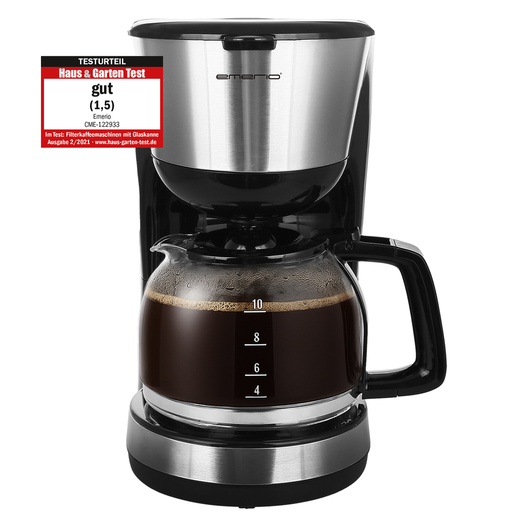 No image available
An option for brewing a shared round of coffee to serve from a glass carafe; the product title states a capacity of 1.25 l.
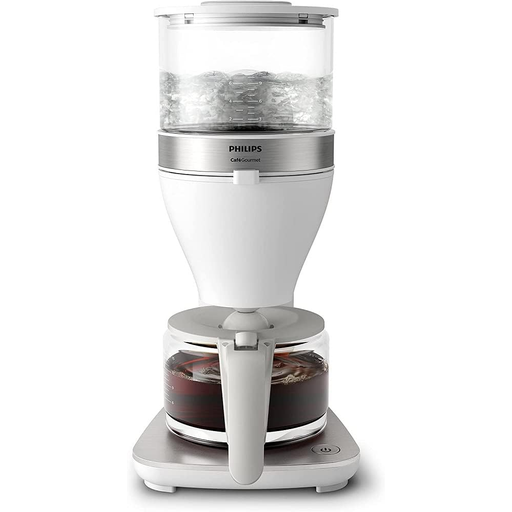 No image available
An option for anyone looking for a filter coffee maker for a shared brunch. Check the capacity and carafe type of the exact model before planning your brews.
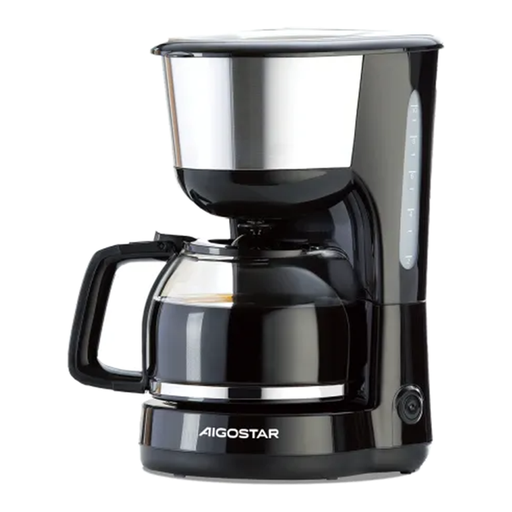 No image available
The product title states a capacity of 1.25 l, which may help when planning a shared brew. Before choosing, check that the model and controls suit your needs.
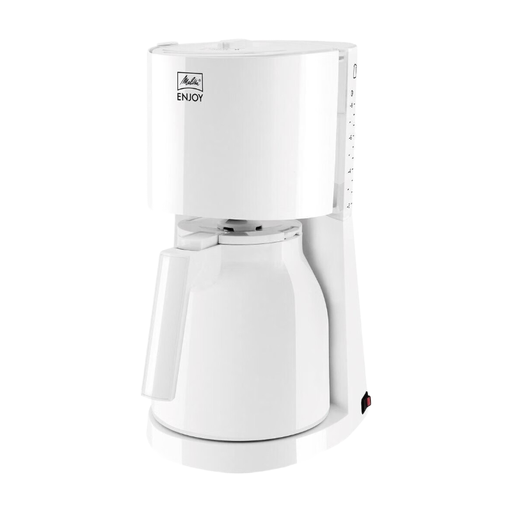 No image available
A thermal-carafe model for serving coffee at the table when guests are pouring at different times. Check the carafe capacity of the version you’re considering when planning how many brews you’ll need.
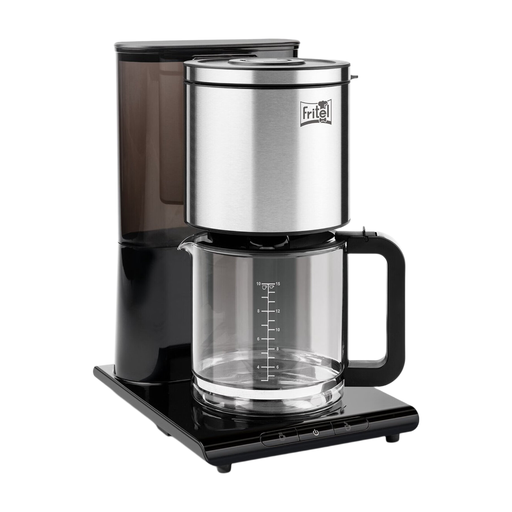 No image available
The product title lists a capacity of 1.5 l, a filter and a warming function. Check whether that combination suits the amount of coffee you need and when you’ll be serving it at brunch.
The stated automatic warming function lasts for up to 30 minutes; the machine switches off automatically 40 minutes after starting.
Multiply the number of guests drinking coffee at the same time by the amount you want to serve each person, then compare the result with the carafe capacity in litres. Allow for another brew if you’ll need more coffee; the manufacturer’s cup size may not match your mugs.
Follow the instructions for the exact model to clean the carafe and filter holder and to descale the machine. The Consumentenbond treats cleaning and descaling as separate points to consider; a descaling programme, such as the one Melitta lists for the AromaFresh X, doesn’t replace the recommended maintenance.
No. According to the Dutch government, there is no fixed statutory guarantee period in the Netherlands: a product must remain fit for purpose for as long as you can reasonably expect. Any manufacturer’s guarantee is in addition to this; if something goes wrong, contact the retailer.
For electrical equipment covered by the relevant EU product rules, the CE mark is the manufacturer’s declaration that the product complies with those rules. It isn’t an independent taste or quality test; check the marking and product information for the specific model.