
Class organiser planning a coffee break
This class organiser wants to make enough coffee for everyone present in one brew, and compares the carafe capacity with the amount people will actually pour.


First, work out how much coffee the students want at the same time, then compare that amount in millilitres with the carafe capacity in litres. The stated number of cups may not match the mugs used in class. A two-cup model takes up little space, but you’ll need to brew several times for a group. A larger glass carafe serves more people at once, while a thermal carafe suits coffee that’s poured at different times. Measure both the cupboard and the space you’ll need to fill the reservoir and open the filter.
This class organiser wants to make enough coffee for everyone present in one brew, and compares the carafe capacity with the amount people will actually pour.
This teacher puts the machine away after class and checks the dimensions of both the machine and the carafe, rather than relying on the word ‘compact’ in the description.
This host brews coffee before or during the lesson and serves it at different times. They compare a thermal carafe with a glass carafe on a hot plate.
First, work out how much coffee you need at once. Then measure the cupboard and decide whether the coffee will be served straight away or needs to stay hot for longer.
| Consideration | What to look for when buying | Who this matters to |
|---|---|---|
| Enough coffee for one break | Add up the amount wanted by each person and compare it with the carafe capacity. The Consumentenbond uses around 125 ml for a traditional filter coffee cup; measure the mugs used by the students too. | If I want to serve the whole group during one break, I need to know whether one brew will be enough. Around 34% of consumers put having enough coffee for a shared break first. |
| Fits and works in a small cupboard | Measure the available height, width and depth. Also check that the reservoir and filter can be opened, and consider where the carafe will sit during use. | When I need to store the machine in a small cupboard after class, I also need to allow space to fill and use it. Around 33% of consumers give storage space top priority. |
| Serving coffee at different times | Work out how long there will be between the first and last cup, and check the carafe on the exact model. The Consumentenbond notes that coffee can become more bitter over time on a hot plate. | If students help themselves to coffee at different times during the lesson, I need to know how it will be kept. Around 20% of consumers prioritise serving coffee at different times. |
| Cleaning and filters | Check the filter type and size, and see how the carafe and filter holder should be cleaned according to the manual. | When the machine is shared, I want it to be clear who cleans the carafe and filter holder after class. Around 13% of consumers give shared cleaning and maintenance top priority. |
A stated cup size may be smaller than the mugs used by the students. The Consumentenbond gives around 125 ml as the size of a traditional filter coffee cup.
Multiply the number of people who want coffee at the same time by the amount they want to pour, then compare the result in millilitres with the carafe capacity.
Its height, the removable carafe and the space needed to fill the reservoir or open the filter also determine whether the machine will fit and be practical to use.
Measure the storage space and the place where you’ll use it separately. Check how easy it is to access the reservoir and filter on the exact model.
A glass carafe can sit on a hot plate, but the Consumentenbond notes that coffee may become more bitter over time. A thermal carafe needs a different place to stand and be cleaned.
Choose according to when the last cup will be poured, and check that the carafe fits where you want to put it.
The filter type and size determine which filters you’ll need for shared use and how the filter should be cleaned after class.
Check the filter size or whether the exact version includes a permanent filter, and agree on who will clean the filter holder and carafe.
The Aromaboy is a two-cup option for anyone short on cupboard space who usually makes coffee for no more than two people at a time.
The KA 4808 is a middle-ground option if two cups aren’t enough but you don’t need a large carafe for a group.
The HD7460/40 is an example of a filter coffee maker with a glass carafe that makes several cups per brew.
The KBG Select is worth considering when making a larger amount per brew matters more than having the smallest possible machine.
This selection includes filter coffee makers for larger batches, as well as a version with a thermal carafe. Compare the details of the exact version with your group size and available cupboard space.
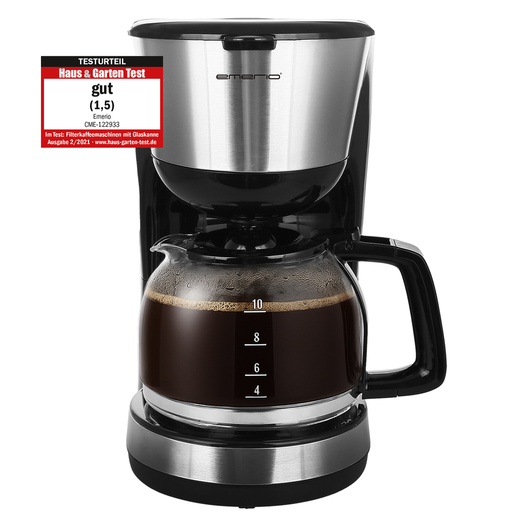 No image available
A glass carafe with a capacity of 1.25 litres is worth considering if you want to brew for several students at once.
Capacity: 1.25 litres.
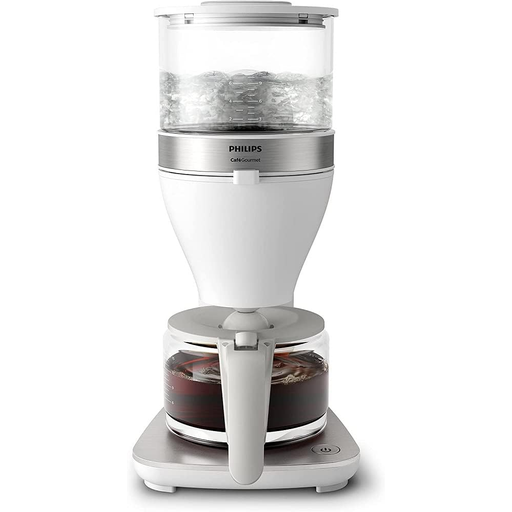 No image available
Compare this model with the other options for a group break, and check the carafe capacity and external dimensions of the exact version before choosing.
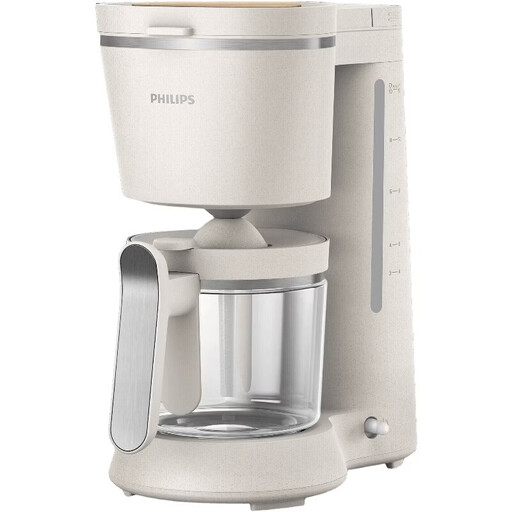 No image available
The 1.2-litre capacity makes this model worth comparing for a larger batch.
Capacity: 1.2 litres. The product name mentions a drip-stop function.
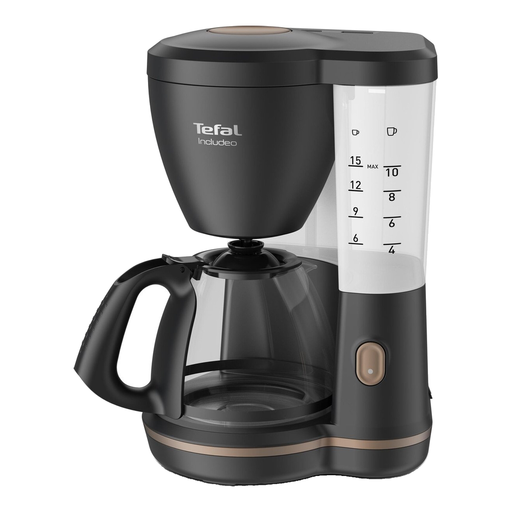 No image available
The stated capacity is worth considering if you want to brew for several people during one break.
Capacity: 1.25 litres; stated yield: 10 to 15 cups.
 No image available
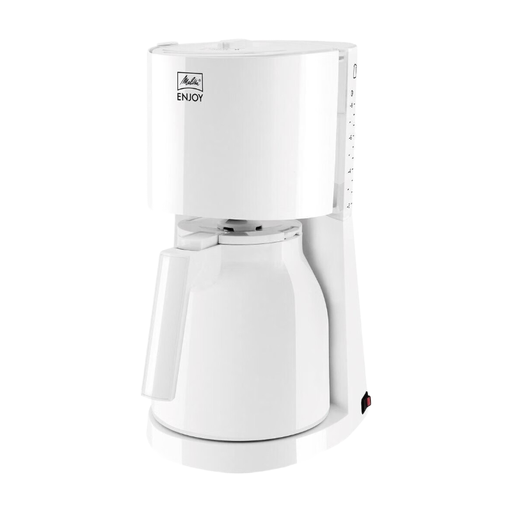
A version with a thermal carafe is worth considering if students will pour coffee at different times. Check the capacity and dimensions of the carafe and machine against the space where you’ll use them.
Multiply the number of people who want coffee at the same time by the amount each person wants, then compare the result with the carafe capacity in millilitres. The Consumentenbond gives around 125 ml as the size of a traditional filter coffee cup; the mugs used in class may be larger.
Compare the external dimensions of the exact version with the available cupboard space, and allow room for the removable carafe too. Where you’ll use the machine, check separately that you can fill the reservoir and open the filter.
Bear the flavour in mind: the Consumentenbond notes that coffee can become more bitter over time on a hot plate. If people will be pouring coffee at different times, compare the glass carafe and hot plate on the exact model with a thermal carafe.
Rinse a new machine through with water first, remove coffee grounds from the carafe and filter holder, and descale it according to the model’s manual. The Consumentenbond points out that leftover coffee grounds can leave a bitter aftertaste.
According to the Dutch government, electrical appliances sold on the EU market must carry a CE marking. Check for the marking on the specific listing, especially for imported products. It doesn’t tell you how much coffee the machine makes or whether it will fit in your cupboard.