
Coffee maker with a narrow worktop
You want to brew filter coffee without the jug or filter holder getting in the way of access or worktop space. So look beyond where the machine will stand and consider the room needed for filling and pouring, too.


Start by working out how much coffee you need for one brewing cycle during the interval, then measure the full operating space. A compact glass jug may mean extra brewing cycles when serving more people; a larger glass jug or thermal jug could be a better fit for larger quantities or serving over a longer period, as long as filling and pouring remain practical in your narrow kitchen.
You want to brew filter coffee without the jug or filter holder getting in the way of access or worktop space. So look beyond where the machine will stand and consider the room needed for filling and pouring, too.
You want to serve several cups from one brewing cycle. Compare the amount you need with the stated jug capacity and the size of the cups you use.
You brew the coffee before the interval, but don’t serve it all at once. In that case, how the coffee is kept and when you brew it may influence your choice.
First work out how much coffee you need for one brewing cycle; then measure the space needed for filling, operating and pouring.
| Consideration | What should you check? | Who should weigh this more heavily? |
|---|---|---|
| Positioning and access | Measure the width, depth and height, and allow for the movement of the filter holder and jug. SEVERIN lists the KA 4808 as 27 × 19,5 × 14 cm (h × w × d); Melitta gives the Aromaboy dimensions as 198 × 168 × 128 mm in the same order. | I want to fill the machine without blocking the narrow passage; around 36% of consumers give positioning and access the highest priority. |
| Amount per brewing cycle | Compare the amount you need in litres with the cups you actually use, not just the stated cup count. Philips lists the HD7460/40 as having a capacity of 1,2 litres and making 10 cups. | If there’s little time for a second brew during a short interval, I want to know in advance whether one full jug will be enough. Around 29% of consumers prioritise the amount needed each time. |
| Keeping coffee warm between servings | Check whether the exact model comes with a thermal or glass jug, and how the jug opens and is cleaned. Melitta lists the EasyTop Therm Steel as making up to eight cups; capacity and features vary by model. | I want coffee ready for visitors who pour themselves a cup at different times; around 21% of consumers give the way coffee is kept warm the highest priority. |
| Start time and preparation | Check whether the model has a start timer and whether you can set out the water and filter where you plan to use it. Inventum lists a timer for the KZ818D. | If brewing needs to fit into the preparations for the interval, I want to be able to plan ahead without forgetting any of the steps. An estimated 14% of consumers put timing and preparation ahead of the other considerations. |
The capacity in litres and the size of your cups together determine how much you can serve from one jug. Melitta, for example, describes the Aromaboy as suitable for up to two cups.
Work out how much you need using the cups you’ll actually use during the interval, then compare this with the jug capacity.
A machine may fit on the worktop but leave too little room to open the filter holder, top up the water or remove the jug.
At the intended spot, also check the clearance on the side where the filter opens and above the reservoir.
A timer can schedule when brewing starts, and a thermal jug offers another way to keep coffee, but these features alone don’t tell you exactly when the coffee will be ready to serve.
Allow enough time for brewing, and work out separately how much coffee you need at once and how it will be kept between servings.
The KA 4808 reviewed here is a filter coffee machine with a glass jug and a swing-out filter at the front. This design may be worth considering if access and limited worktop space are important.
The Aromaboy and EasyTop Therm Steel reviewed here offer different jug and capacity options; their features are not interchangeable.
The HD7460/40 reviewed here is a filter coffee machine with a glass jug, designed to brew a larger quantity at once.
Inventum says the KZ818D reviewed here combines a thermal jug with a timer, making it a possible fit for brewing ahead and serving over a longer period.
This selection features filter coffee machines to compare for a narrow kitchen and an interval where the amount needed and serving times may vary.
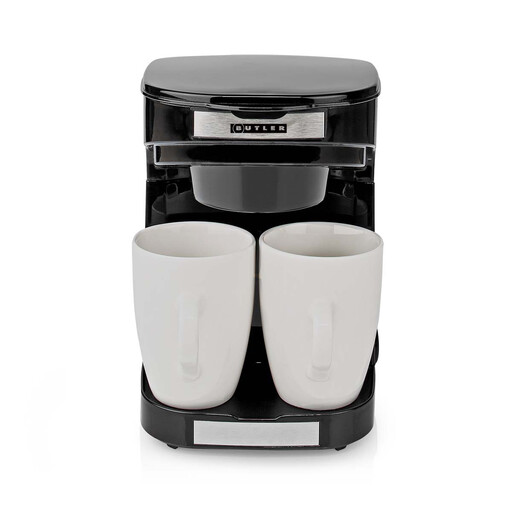 No image available
Worth considering if two cups per brewing cycle are enough; the product name lists a capacity of 0,25 litres.
The product name also mentions 450 W, automatic shut-off and two porcelain cups.
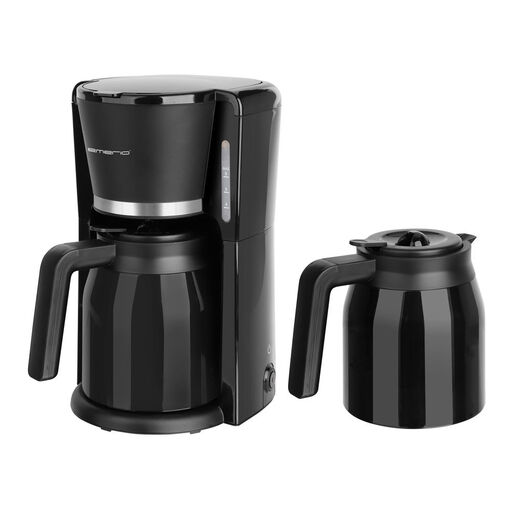 No image available
Compare this filter coffee machine with the available space, and also check how much room you’ll need to fill, operate and pour from it.
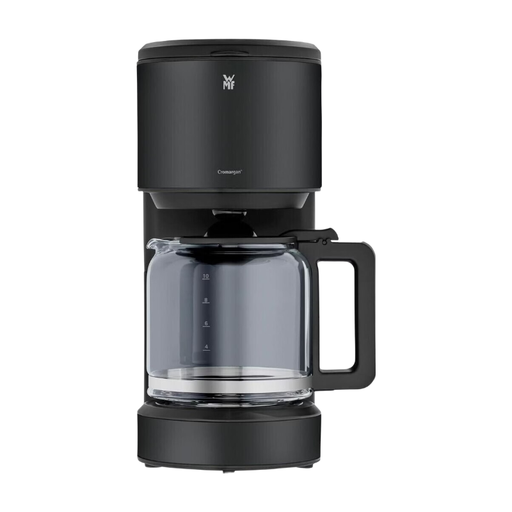 No image available
The glass jug suits anyone who wants to serve coffee from a jug; also measure the space needed to remove and set it down.
The product name lists a power rating of 1000 W.
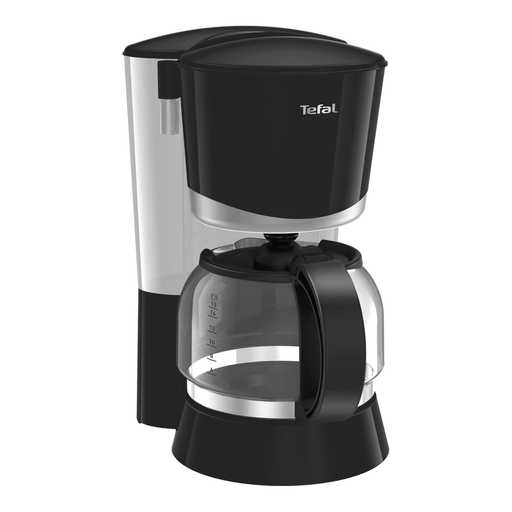 No image available
Compare the amount you need per brewing cycle with the cups you use, and also check the space needed for the filter and jug.
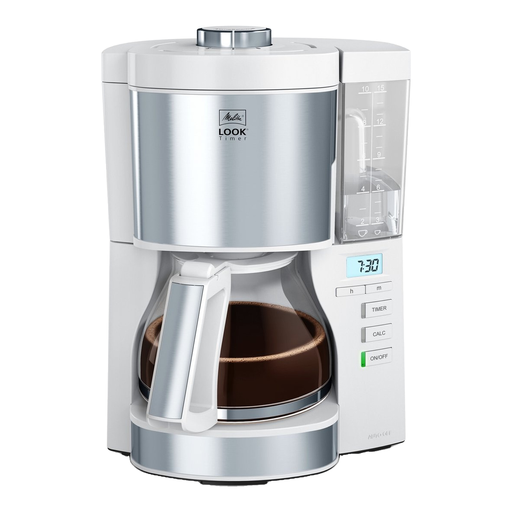 No image available
Check that your chosen model suits the amount you need per brewing cycle and that you can easily prepare it where you plan to use it.
Measure more than just the casing: also check that the filter holder and jug can move in the space you have in mind. SEVERIN says the KA 4808 has a swing-out filter at the front; for other models, check where the filter opens.
No. Follow the instructions or care advice for the exact filter coffee machine you have. Philips provides advice for many filter coffee machines based on usage and water hardness; separate Philips instructions for certain filter models recommend liquid descaler or white household vinegar with 4% acidity. This advice does not automatically apply to every brand or model.
No. ACM ConsuWijzer explains that statutory consumer protection in the Netherlands applies alongside a manufacturer’s warranty and does not have a fixed two-year limit. If a product breaks sooner than you could reasonably expect under normal use, you can contact the seller to ask for an appropriate solution.
There may be, if you are actually selling food or drink to consumers on a regular basis. The NVWA refers to registration and following a food safety plan or hygiene code; it lists an exception for just one sale a year. These rules do not automatically apply to every home buyer or every way of providing food and drink.
No. Automatic shut-off alone doesn’t tell you how long the coffee will stay warm enough to serve. The European Commission sets out EU energy consumption requirements for off and standby modes for appliances within their scope; also check the features of your chosen model before use.