
Hosting a group and want to brew one round
You want to make enough coffee for everyone during your baking session. So compare the jug’s capacity with the size of the mugs you use.


First, work out how much coffee everyone will drink at once and compare that volume with the jug’s capacity. Also check whether the machine can brew a practical smaller amount on ordinary days. A glass jug is ideal for pouring straight away, while a thermal jug can be useful when guests want coffee at different times. The right choice also depends on the space available, how easy it is to clean and the exact model variant.
You want to make enough coffee for everyone during your baking session. So compare the jug’s capacity with the size of the mugs you use.
Your guests won’t all have coffee at once. Choosing between a warming plate and a thermal jug can make a difference when serving.
You usually brew a small amount of coffee, but want to be able to make more when you’re baking with a group. Consider both brewing amounts and the space available on your worktop.
First, work out how much coffee your group will need using your own mugs. Then decide which jug, everyday brewing amount and cleaning requirements suit the way you use it.
| What to consider | What should you check? | Who is this important for? |
|---|---|---|
| Amount per brew | Count the portions you want, measure the capacity of your mugs and compare the total in millilitres with the jug’s capacity in litres. Also check the smallest practical amount the machine can brew. | If I want to pour enough coffee for everyone in one go during our baking break, I compare the jug with my group’s mugs; around 36% of consumers say having enough coffee per brew is their priority. |
| When you’ll be pouring | Choose a jug to suit when your guests will be drinking. If you’re considering a thermal jug, check the lid and how easy it is to clean. | When guests have coffee at different times, I want to be able to place the jug down and pour from it easily; around 29% of consumers prioritise serving coffee over a longer period. |
| Small household and available space | Check the dimensions, the smallest practical brewing amount and whether the jug fits under your kitchen cupboards. | If I usually make coffee for just a few people, I don’t want an awkward machine taking up space on the worktop, even if I sometimes need to brew in batches for a group; around 21% of consumers say compact everyday use is their main consideration. |
| Cleaning and parts | Check which parts are removable or dishwasher-safe and whether a suitable replacement jug is available. Follow the descaling instructions for the model you choose. | If I use it repeatedly, I want the jug, lid and filter holder to be easy to clean; around 14% of consumers prioritise maintenance and replaceable parts. |
A cup count doesn’t tell you how much coffee your mugs will hold unless you know the portion size. Work out the amount you need in millilitres and compare it with the jug’s capacity in litres.
This helps you avoid having to brew another round during your group break.
A second jug can help with serving, but it doesn’t increase the amount of coffee the machine brews at a time. According to Melitta, the separate Easy Therm version with a second jug has a maximum capacity of 8 cups per brew.
Check the capacity per brew, which jugs come with the exact version and whether a second jug is included.
A second jug may be part of a separate version or an accessory, so check what’s included with the variant you choose.
The Consumentenbond warns that coffee can become more bitter over time when left on a warming plate.
A glass jug is a good choice if you’ll be serving the coffee soon after brewing. Consider a thermal jug if guests will be pouring at different times.
Alongside the KBG Select, Moccamaster also offers a separately designated UK-plug version. So the model name alone won’t tell you which version you’re looking at.
Before buying, check the full model name, plug and included accessories.
The Easy Therm range could suit you if guests will be pouring coffee at different times. There’s also a separate version with a second jug.
The HD7460/40 is a glass-jug option for sharing a coffee break.
The KBG Select could be worth considering if you want to brew both a half and a full jug.
The KA 4808 is a more compact glass-jug option if you’re short on space.
This selection includes filter coffee machines with a glass jug and a version with a thermal jug. Compare the stated capacity with the amount your group will drink at once, and check whether the usual brewing amount suits your household.
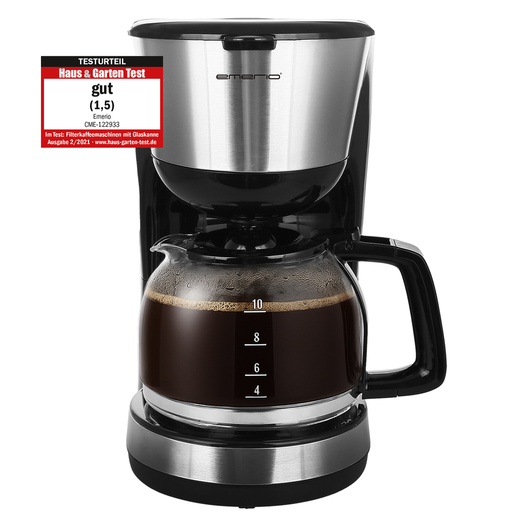 No image available
The glass-jug version could suit you if you’ll be pouring coffee for everyone soon after brewing.
Capacity according to the product name: 1.25 litres.
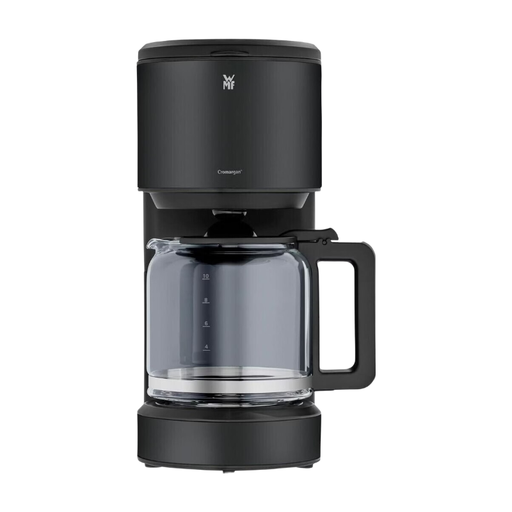 No image available
The glass-jug version could suit a coffee break where everyone pours a cup at around the same time.
Power according to the product name: 1000 W.
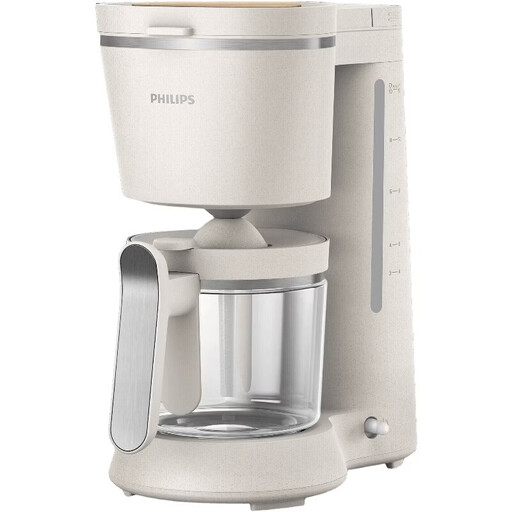 No image available
The glass jug could be a good fit if you’ll be pouring coffee for everyone to enjoy together.
The product name lists the capacity and drip stop: 1.2 litres and a drip stop.
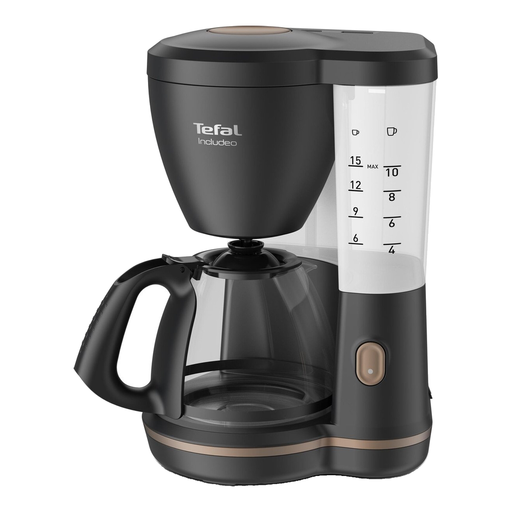 No image available
The product name mentions an adjustable coffee quantity, which could be useful if you want to tailor the amount to your household or the occasion.
The product name lists a capacity of 1.25 litres and 10 to 15 cups. It also says that the machine is designed for both left- and right-handed users.
 No image available
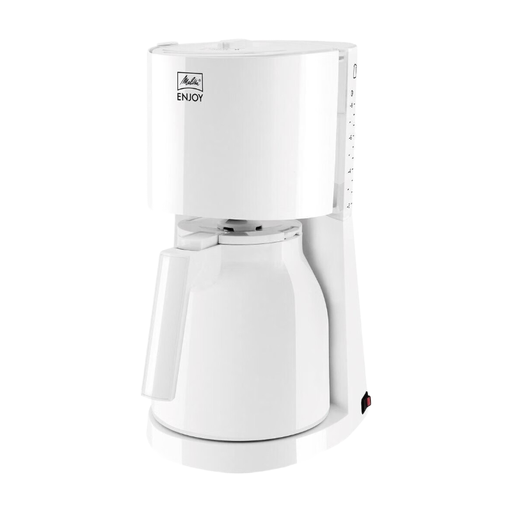
The thermal-jug version could suit you if guests will be pouring coffee at different times.
Multiply the number of portions you want by the capacity of your mugs, then convert millilitres to litres. Compare the result with the stated jug capacity. A manufacturer’s cup count won’t tell you how many large mugs you can fill unless you know the portion size.
Clean the jug and filter holder according to the instructions for the exact model, and follow its specific descaling guidance. Philips says regular descaling is important for brewing performance; don’t apply those instructions to other brands or models without checking first.
Report any problem to the retailer. According to the Dutch Government, there is no fixed statutory guarantee period in the Netherlands: you’re entitled to a product that does what you can reasonably expect it to do. A manufacturer’s guarantee is in addition to this legal right.
Electrical equipment covered by the EU Low Voltage Directive must carry a CE marking when it is placed on the EU market. Check the marking and the specific version of the machine. According to Business.gov.nl, CE is not an independent quality mark.
For many distance purchases from a business, you have a 14-day cooling-off period. Check the terms and exceptions that apply to your specific purchase. This is separate from your statutory rights if the product is faulty.