
Vandaag of morgen in huis

Kwaliteit gegarandeerd

Welkomstaanbiedingen ontgrendelen: GRATIS bezorging | Tot 80% korting | Gratis 30 dagen JoyPlus-proefperiode
Download de app
Filter coffee seems simple: add ground coffee to a filter, pour in water and wait. Yet many people buy a pack that doesn’t suit their coffee maker, taste or usage. A grind that’s too fine, for example, can slow the flow of water, while a compact coffee maker may not be ideal if you want to brew several pots in a row.
Marketing terms such as “rich aromas”, “premium beans” and “strong coffee” don’t always tell you enough, either. So start by checking the facts: the grind, pack size, roast, brewing method and appliance specifications.
Coffee for a standard filter coffee maker is generally ground more finely than coffee for a French press. A coarse grind can produce a watery cup in a filter coffee maker. A grind that’s too fine can slow the brewing process and create a heavier flavour.
Check whether the pack says the ground coffee is suitable for:
Not every pack labelled “ground coffee” is automatically suitable for every system.
A 500 or 1000 gram bag may seem appealing for households and small offices, but ground coffee gradually loses its aroma once opened. Store it in a cool, dry place in a tightly sealed pack, away from sunlight, heat and moisture. Ideally, use the coffee within the period specified on the pack by the manufacturer.
Do you only drink a few cups a day? A 250 gram pack may be more practical. For a family, home office or workplace, 500 grams may be a better fit for your usage.
A bold flavour isn’t just about caffeine content. The roast, the ratio of Arabica to Robusta and the amount of coffee per cup all play a part. A dark roast can taste fuller and spicier, while a light roast often has milder, fruitier notes.
Also check the label. For decaffeinated filter coffee, make sure it is clearly labelled as decaffeinated. For caffeinated coffee, manufacturers may include a warning for certain groups. Always follow the information on the pack.
For a classic filter coffee maker, filter grind is usually the obvious choice. If you switch between filter coffee and French press, you could consider a coarser grind. Pour-over brewing also calls for an even grind and a steady flow of water.
A useful starting point is around 7 grams of coffee per cup, but you can adjust this to suit your taste and cup size. Don’t automatically add more coffee for a stronger flavour; a different roast or blend can make a bigger difference.
Arabica is often chosen for its more aromatic, smoother flavour profile. According to product descriptions, Robusta can add a bolder character and more body. Many well-known blends combine both types.
Examples from the range:
These flavour descriptions come from the brands and don’t guarantee that everyone will taste the same notes.
A compact 300 ml coffee maker is best suited to one large mug or a small amount of coffee. Before buying, check:
For everyday use, ease of cleaning is just as important as capacity. Coffee residue and limescale can affect the flow of water and the flavour. Follow the manufacturer’s instructions for maintenance.
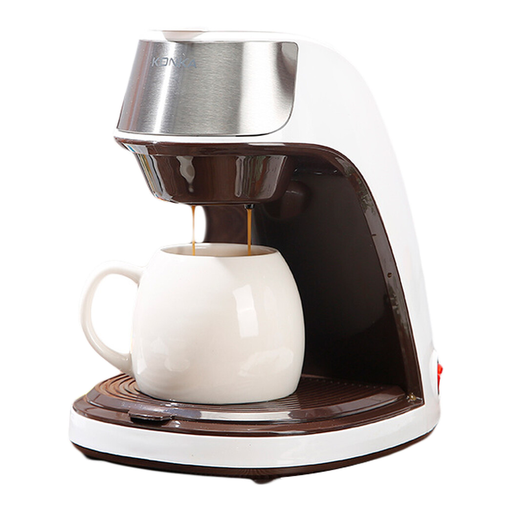
Why it suits this profile: This compact automatic coffee maker takes up little space and is designed to brew a single portion, making it a good fit for working from home, a student room or a small office.
Its 300 ml capacity makes it clear how much coffee to expect. The permanent filter means you won’t need paper filters for every brew.
Includes a ceramic cup, automatic shut-off and boil-dry protection. The stated brewing time is around 4 minutes.
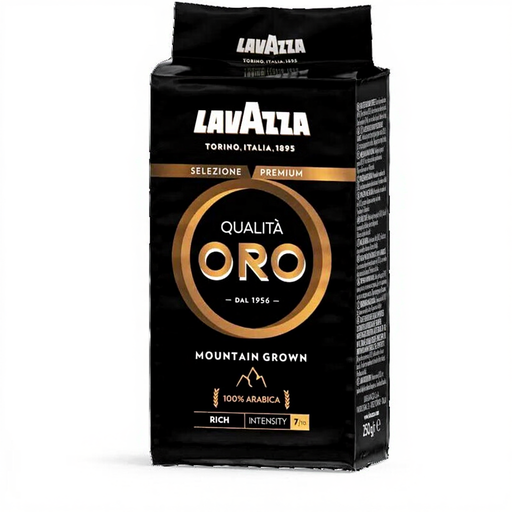
Why it suits this profile: If you’re looking for ground coffee with a distinctive Arabica profile, this 250 gram pack is made for filter brewing.
The product information clearly states that it’s 100% Arabica and packed in a protective atmosphere. This means you can check the grind and bean composition before you buy.
100% Arabica according to the product description, with fruity and floral notes. Suitable for filter coffee.
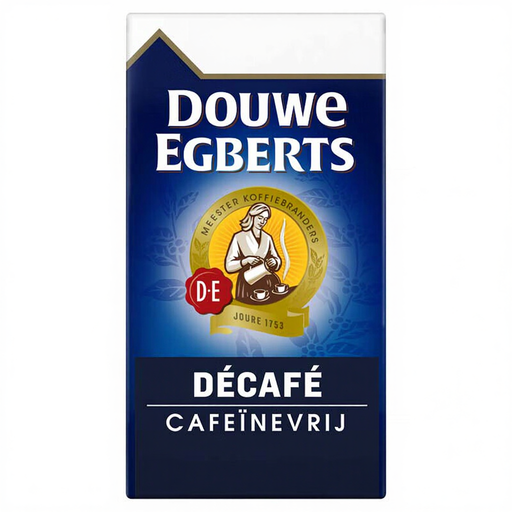
Why it suits this profile: This option is designed for households or workplaces where coffee is brewed regularly, but decaffeinated filter coffee is preferred.
The pack specifies the grind, brewing methods and decaffeinated blend. So you don’t have to rely on flavour descriptions alone.
Decaffeinated according to the product information. Suitable for filter coffee makers, French press, AeroPress, percolator and Chemex. Pack size: 500 grams.
We’ve put together a complete, up-to-date list of products that meet these strict selection criteria and current European safety regulations.
Store ground coffee in its original resealable pack, if it’s suitable for this purpose. Don’t keep the bag next to a kettle, oven or radiator. Use clean water and remove any coffee residue after each brew. Descaling is important for filter coffee makers; how often you need to do it depends on the water hardness and the advice in the instruction manual.
For pour-over coffee, you can wet the paper filter first. Then add the coffee and slowly pour over the water. With a 250 gram pack, you can try different brewing ratios without opening a large supply straight away.
Choose coffee labelled filter grind or “suitable for filter coffee makers”. French press usually calls for a coarser grind. Always check the product description, as terminology can vary between brands.
A practical starting point is around 7 grams per cup, often described as one scoop or two level tablespoons. Adjust the amount to suit your cup size, the strength of the blend and your own preference.
The best-before date is shown on the pack. For the best flavour, store the coffee in a tightly sealed pack in a cool, dry place and follow the manufacturer’s instructions. A smaller pack may be more convenient if you only drink filter coffee occasionally.
